



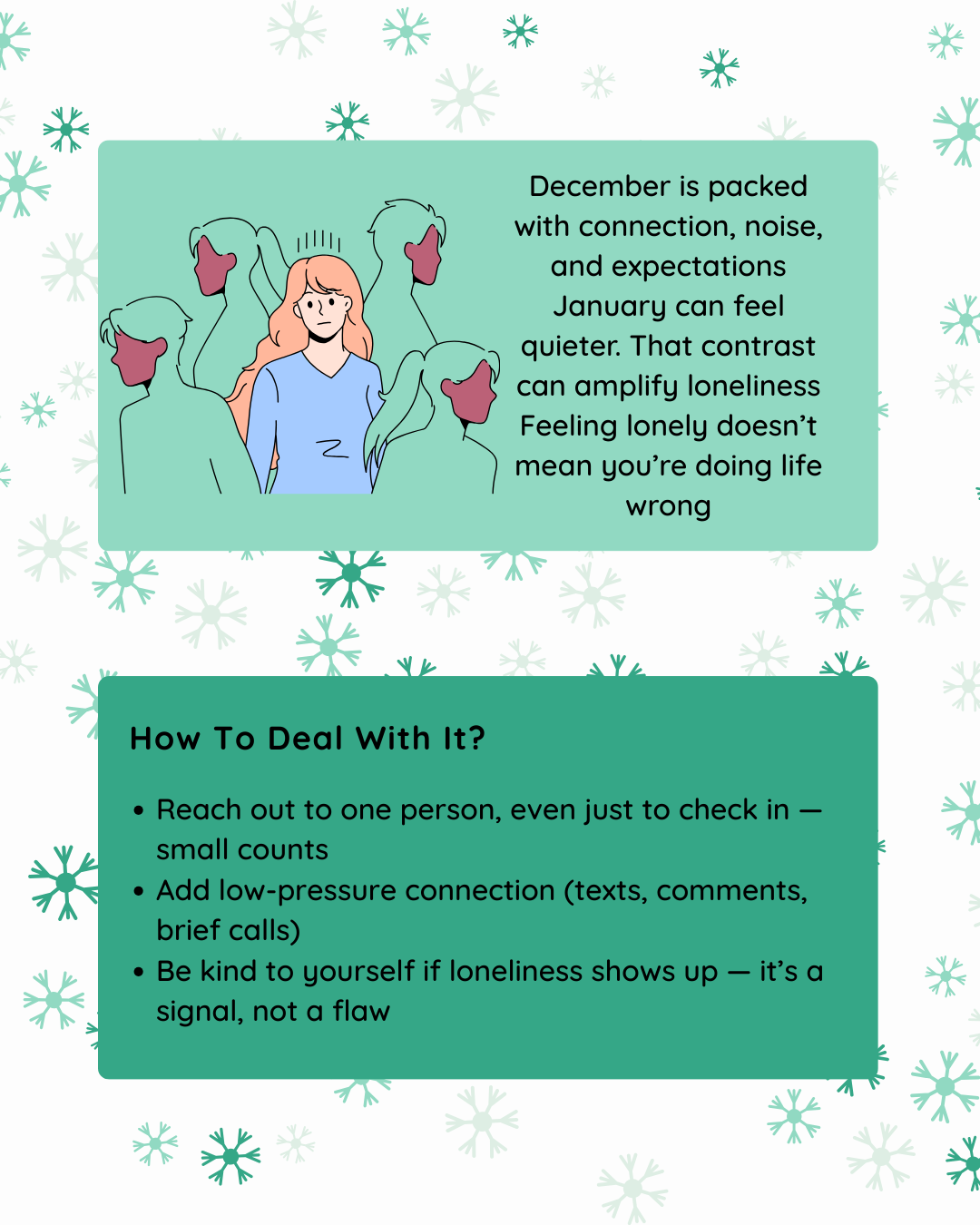
The Loneliness Spike
Been feeling more lonely than usual lately? A lot of people experience a “Loneliness Spike” after the holidays.



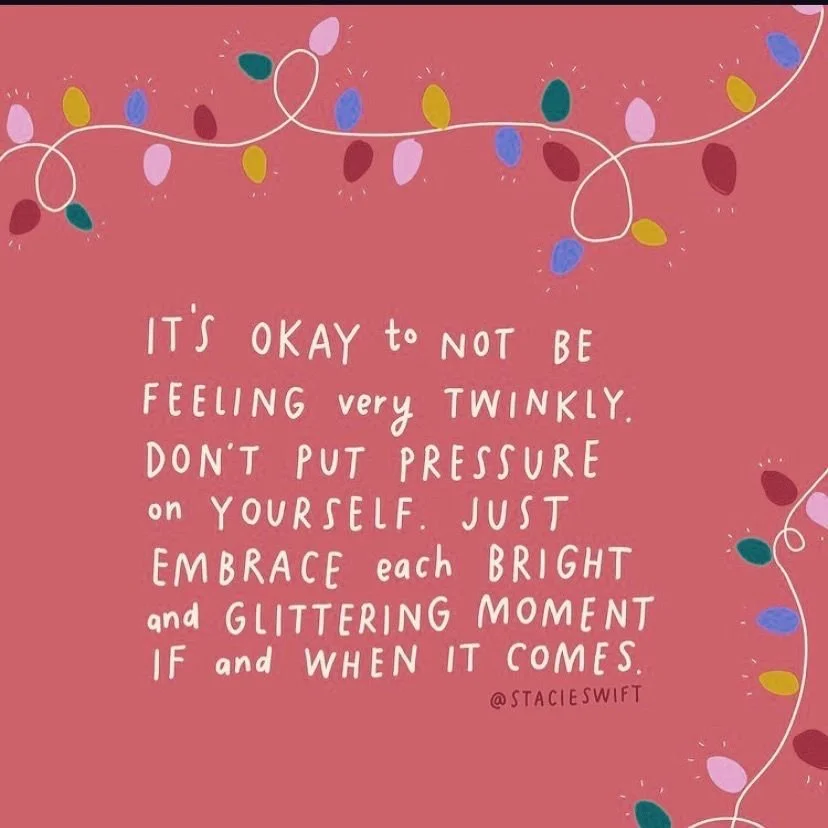
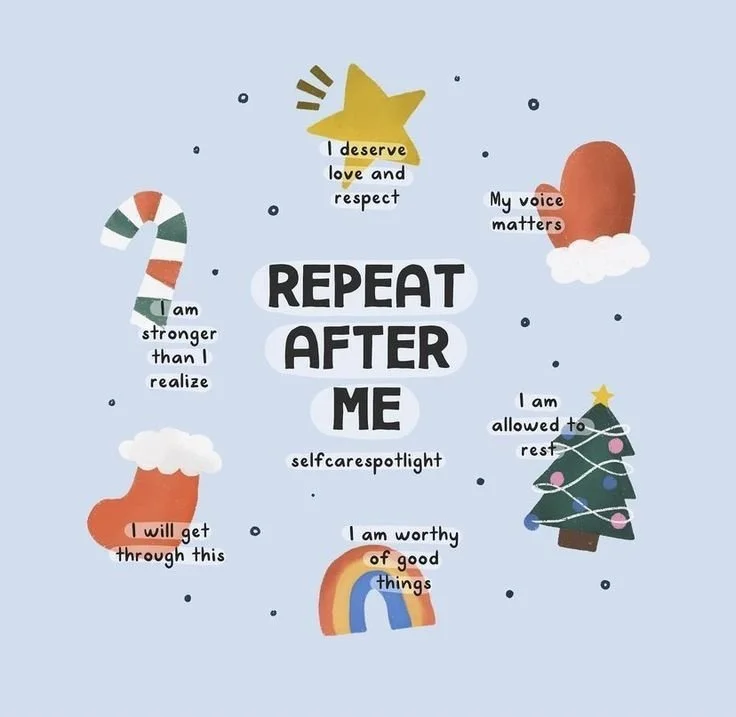

10 Positive Practices to Find Light in the December
Exploring science-backed strategies to help cope with seasonal depression.
Key points
The holidays can trigger stress, anxiety, depression, and loneliness, often due to unrealistic expectations.
Positive psychology tools like gratitude, mindfulness, and self-compassion can help manage these challenges.
Meditation, exercise, goal-setting, and unplugging from social media could all improve well-being.
Connecting with supportive people, even briefly, can help counter isolation, loneliness, and depression.
The blinking Christmas lights are up, joyful carols and that oh-so-annoying Mariah Carey song fill the air, and a familiar seasonal cheer seems to spread everywhere you go. Everyone must be overflowing with festive joy and cheer, right?
For many, the holiday season is actually a time of great darkness and depression. For those, the festive season does nothing more than highlight empty homes, fractured family relationships, loneliness, money problems, and a lack of time for self-care and reflection. Even without these additional stressors, the long winter months may trigger seasonal depression and hopelessness. It’s therefore not surprising that depression, alcoholism, suicide ideation, and drug use spike over the depression December season.
Yet although this is a dark time for some, it doesn’t mean that you must surrender to your discontent. Drawing from positive psychology, there are several research-backed tools and techniques that you can use to manage the additional emotional burden the holiday season places on you.
So let’s dim the lights, put on some relaxing music, and explore the 10 science-based techniques we can use to find light in the December darkness.
Practice gratitude daily. Try and cultivate a daily habit of expressing gratitude. At the end of each day, reflect upon your day and write down three things that happened during the day that you were grateful for and why you are grateful for each. This helps shift your focus towards positive aspects of your life.
Engage in mindful meditation. For five minutes each day, quiet your mind and try to meditate. This can help calm your anxiety and ground you in the present. Try active practices like mindful walking or use meditation apps to guide you through sessions.
Practice random acts of kindness. Perform five small acts of kindness for others every day. This can be as simple as giving someone your place in the queue at the grocery store, offering a loved one a genuine compliment, or helping an older person cross the street. Helping others has been shown to boost your mood and make you feel valued.
Do things that used to bring you joy as a child. Whether it's watching your favourite movie, cooking a special meal, or indulging in a creative hobby you used to like as a kid, engage in activities that made you feel happy before.
Maintain consistent sleep, a healthy diet, and exercise every day. Try and keep to good habits like sleeping 7-9 hours each night, getting at least 30 minutes of exercise, and eating at least one healthy meal each day. Find a form of exercise you enjoy, whether it's walking, yoga, or dancing. Bonus points if you can engage in it outside!
Practice self-compassion and self-kindness. Treat yourself with the same kindness you would if your closest friend was going through a tough time. Identify your negative thought patterns (like catastrophic thinking or overgeneralizing) and try to consciously shift these perspectives to see the positives. But remember, too, that it's OK not to be OK.
Limit your exposure to social media. Be mindful of your social media use. We tend to compare ourselves to others on social media, but when we're already down, this can just make us feel worse.
Write a letter to your past self. Pen a letter to your 10-year-old self, sharing your accomplishments and highlights of the year. Focus on the things that brought you joy and happiness. This will help bring balance and perspective.
Spend time with friends and family. Try and spend time with loved ones; even if it feels like a burden to get the energy to go there. Use technology to your advantage—set up a video call, for instance, or play an online game with your friends. Spending time with others helps you feel more connected and appreciated.
Don't be afraid to ask for professional help. If the holiday blues persist, consider reaching out to a mental health professional. They can offer support and strategies to help navigate the challenges December can bring.
article continues after advertisement
Although this can be a dark and challenging time of year, it does afford an opportunity for deep self-reflection and personal renewal. It’s the time of the year when you become more in tune with your own needs and prioritize yourself and your own mental well-being.
This holiday season, try focusing on setting small, attainable well-being goals, whether it be small acts of kindness, self-compassion, or taking a mindful walk. Small steps can lead to epic journeys; start yours today.
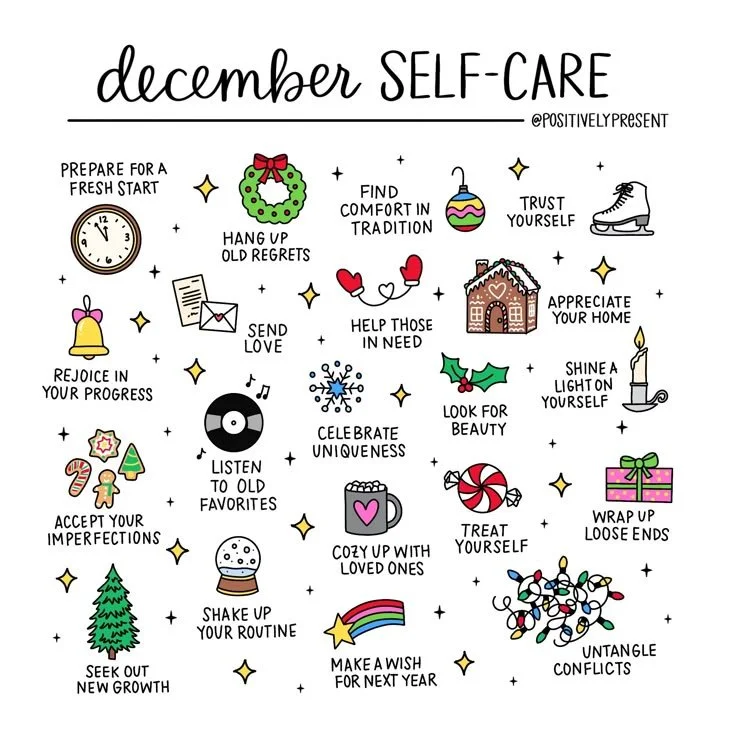
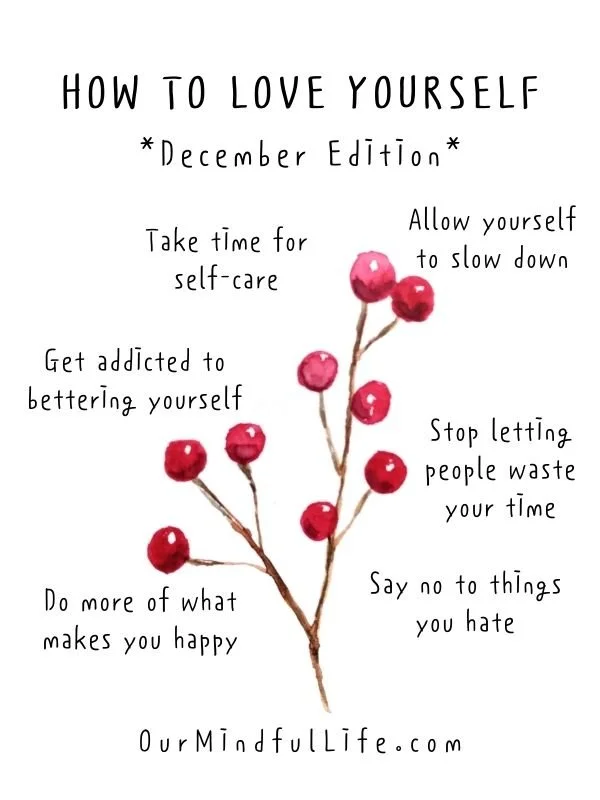
Supporting Your Mental Health During the Holiday Season
In the 2003 holiday movie classic, “Elf,” the main character, Buddy, shares a particular fondness for the holiday season, “The best way to spread Christmas cheer is singing loud for all to hear!” No matter what traditions you celebrate this winter, not everyone shares Buddy’s enthusiasm for this season. While the holidays can be a time of celebration and joy for many, it also can be a period of stress, sadness, and loneliness for others—and sometimes can be particularly difficult for people living with mental health and substance use conditions.
A survey* conducted by the National Alliance on Mental Illness (NAMI) found that 64 percent of individuals living with a mental illness reported that their conditions worsened around the holidays. Whether due to separation from loved ones, personal grief, the pressures of gift-giving, economic hardship, challenging interactions with family members, or shorter days, this time of year can bring unique behavioral health challenges.
As we approach the holiday season, it is important to remember that it is very common to feel added stress — and this stress can worsen symptoms of a mental health condition, such as depression or anxiety, or a substance use disorder. However, there are ways to help address the stress or condition and improve your mental health. Below are strategies to help you find moments of joy amidst the hustle and bustle this holiday season.
Strategies for supporting your mental health:
Pay attention to your feelings
Remember that it is okay to feel unhappy during the holidays. Recognizing your feelings is the first step to addressing and nurturing them.
Develop a plan for when you are feeling stressed, sad, or lonely
This plan may include calling a friend or family member, going for a walk, engaging in an activity that brings joy, or watching a favorite movie. Having a plan ahead of time can help ensure the difficult moments are more manageable.
Practice self-care
It is important to schedule time for yourself and activities that recharge your mind and body. This may include reading a good book, working out, spending time in nature, and practicing stress management skills, such as deep breathing, meditation, and mindfulness. It is also important to remember to prioritize necessities, including eating a balanced diet, getting plenty of sleep, and finding time for exercise.
Connect with community
If you can’t be near loved ones during the holidays, finding a supportive community through clubs, support groups, community centers, local meetups, and faith communities can help reduce feelings of loneliness and isolation. Consider scheduling a regular phone call with family and friends as well.
Support others
During this time of year feelings of grief and loss can amplify. Check in on loved ones who may be alone or struggling during the holiday season. Helping a friend or neighbor not only gives joy to others, but it can improve your own happiness and well-being.
Recognize seasonal mood changes
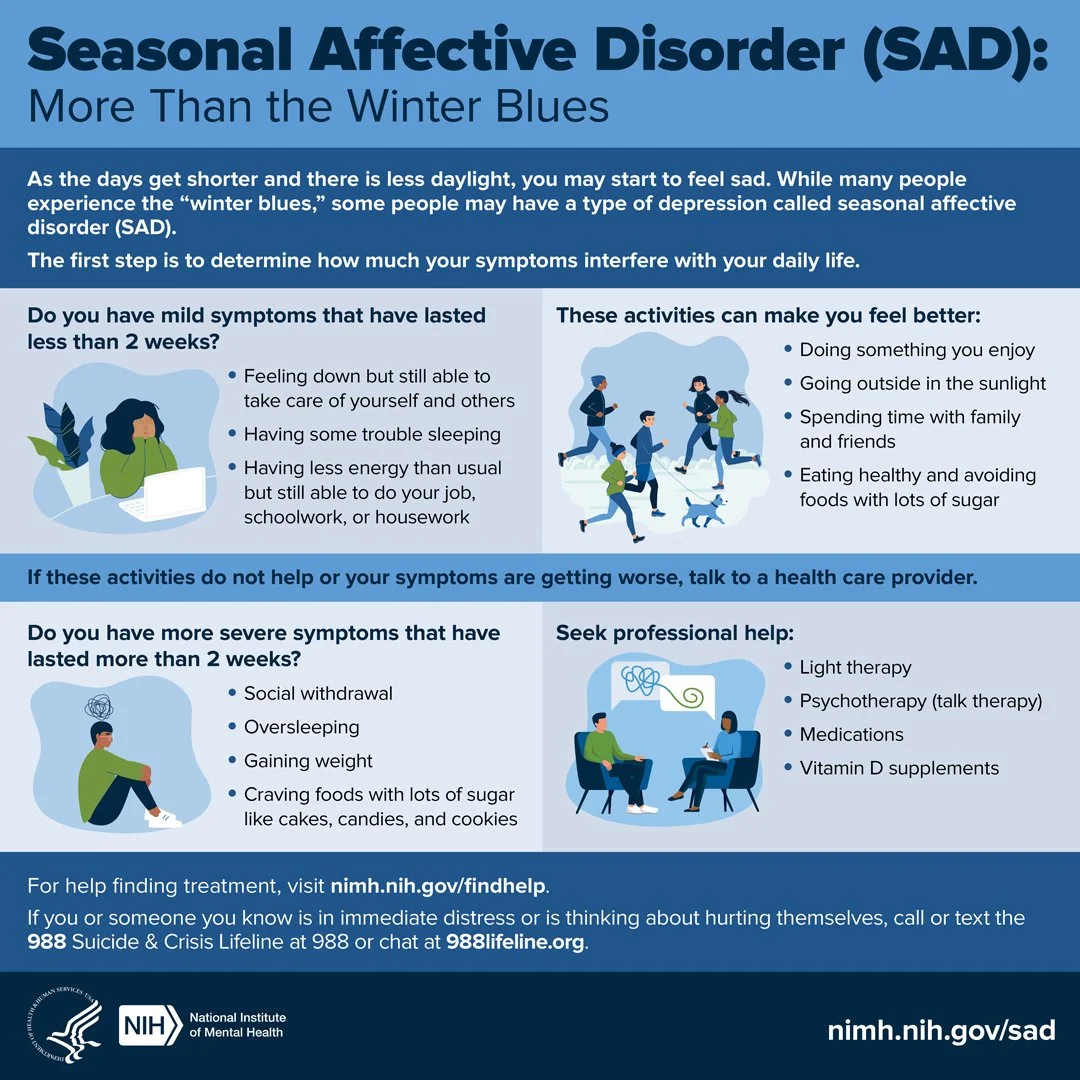
Seasonal Affective Disorder (SAD) is a condition in which people experience symptoms of depression that are triggered by the change in seasons as the days get shorter. While this form of depression often improves in the spring and summer, it is important to talk with your health care provider if you feel you are experiencing these symptoms. Treatment is effective and may include light therapy, antidepressant medication, and/or talk therapy.
Avoid alcohol and drugs
For people in recovery, the holiday season presents challenges that can trigger the use of alcohol and drugs. Having a plan for navigating social events and feelings of loneliness, can reduce the risk of substance use. For family and friends, it is important to check in on those who may be struggling with substance use over the holidays.
Know when to seek help
If you feel that your mental health struggles are becoming overwhelming and difficult to handle, it is important to seek help and know that treatment is available. Below are free and confidential resources that can connect you with effective treatment and support.
You are not alone. Here’s how to seek help.
SAMHSA’s National Helpline — 1-800-662-HELP (4357) - A confidential, free, 24-hour-a-day, 365-day-a-year, information service, in English and Spanish, for individuals and family members facing mental and/or substance use disorders. This service provides referrals to local treatment facilities, support groups, and community-based organizations.
FindSupport.gov — An online guide that helps people navigate through common questions when they are at the start of their journey to better behavioral health.
FindTreatment.gov — A confidential and anonymous source of information for persons seeking treatment facilities in the United States or U.S. Territories for substance use/addiction and/or mental health problems.
988 Suicide & Crisis Lifeline — If you or someone you know needs support now, you can contact the 988 Suicide and Crisis Lifeline. Simply call or text 988 or chat 988lifeline.org.
Veterans Crisis Line — Reach caring, qualified responders with the Department of Veterans Affairs. Many of them are Veterans themselves. Dial 988 then press 1.