




5 Heliotropic Ways to Boost Your Mood This Fall
Simple strategies to prevent seasonal affective disorder.
As fall rolls in, many people start to feel the effects of shorter days and colder weather. This dip in mood, often referred to as Seasonal Affective Disorder (SAD), is common—but manageable. Fortunately, we don’t need grand changes to stay upbeat. By practicing small heliotropic habits-seeking out energy and light, we can help maintain a positive outlook and keep SAD from creeping into our daily routine.
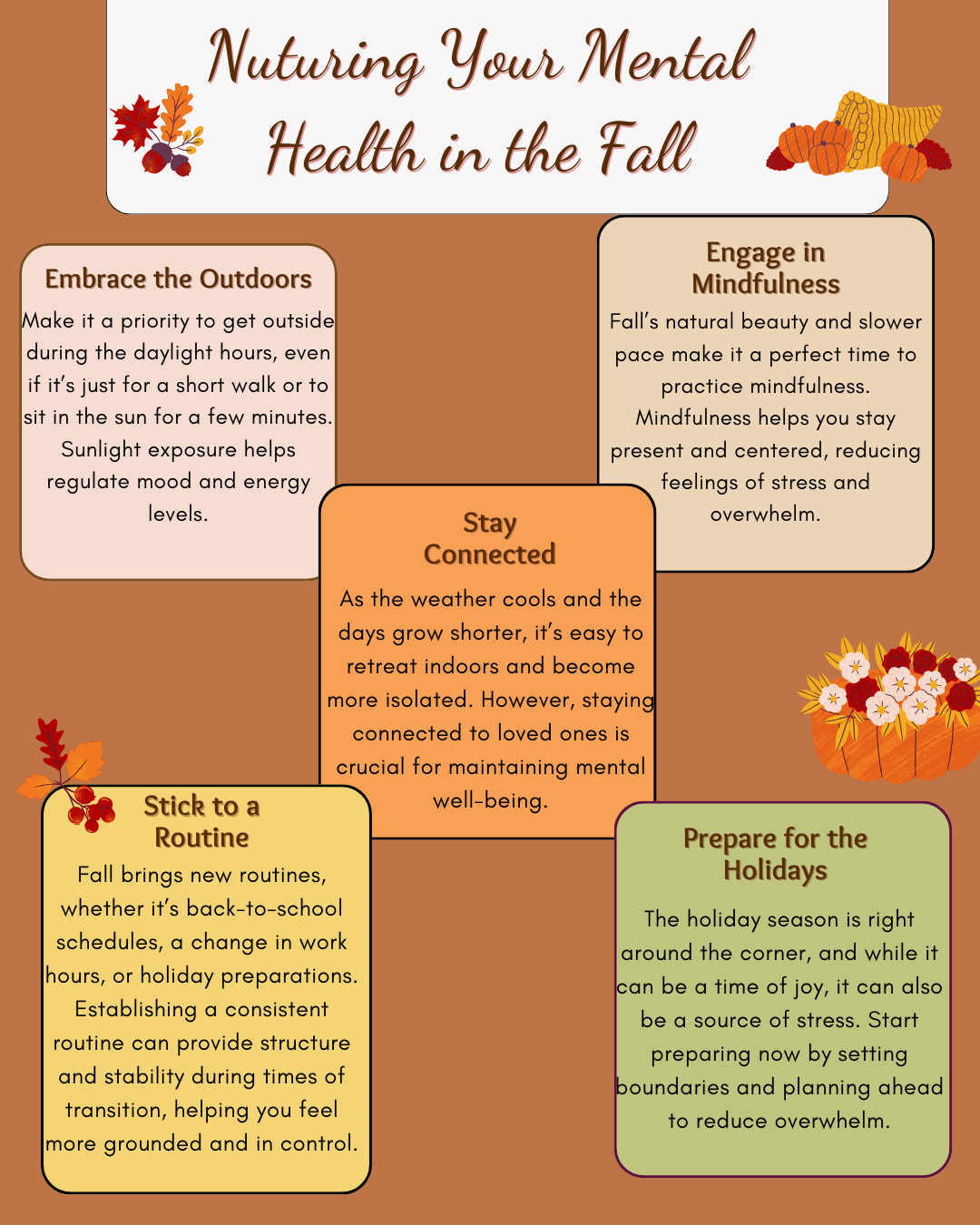
1. Get Outdoors—Even on Cloudy Days
While most advice focuses on sunshine, fall’s natural beauty has its own charm. Research shows that spending time outdoors, even on overcast days, can lead to improvements in quality of life, well-being, emotional health, social health, and stress reduction (Nejade, Grace, & Bowman, 2022). Take a brisk walk through a park, enjoy the vibrant fall foliage, or wrap yourself in a cozy blanket and sit outside. The fresh air does wonders for our mental health, helping us reset and recharge.
2. Develop a Morning Positivity Routine
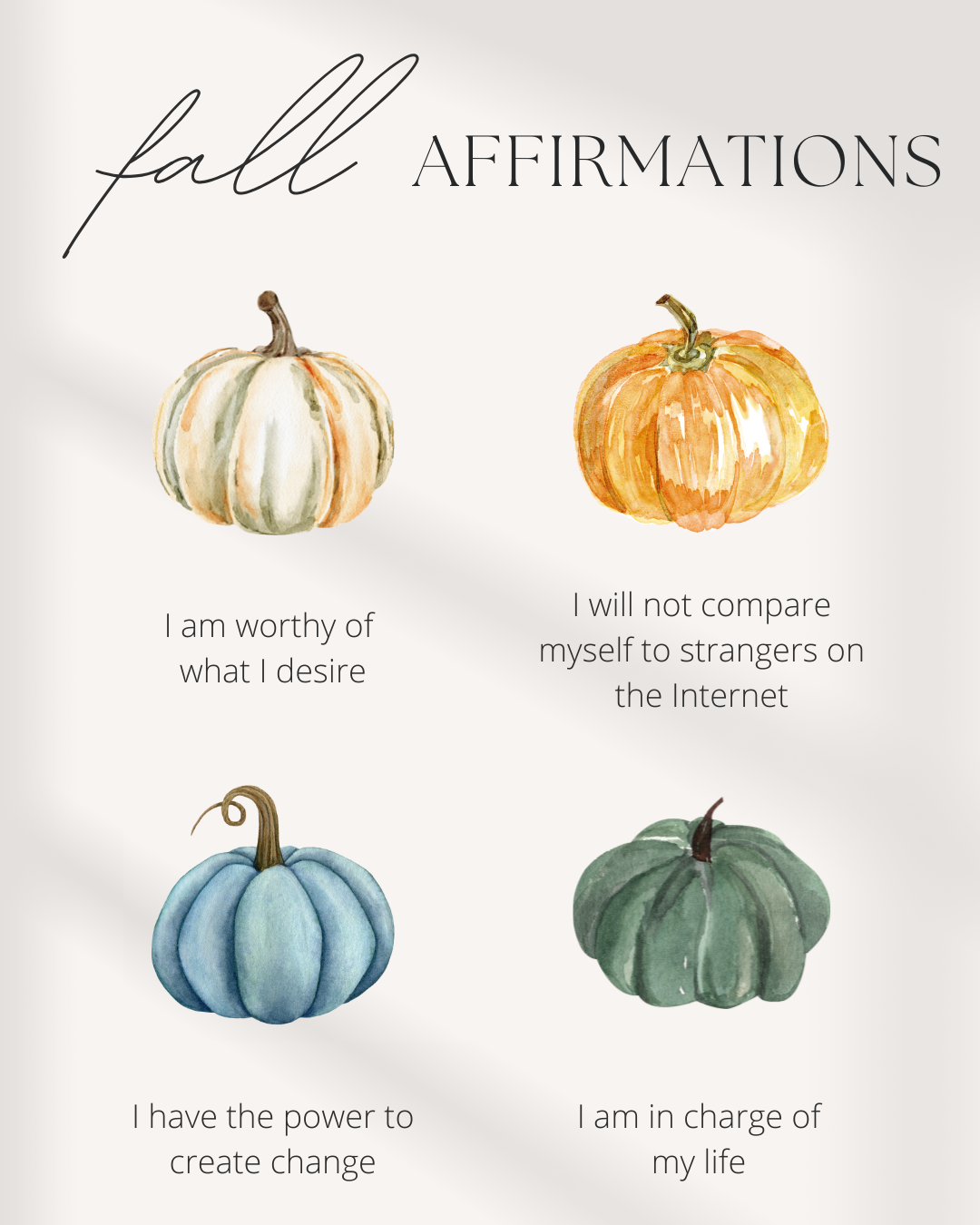
Fall mornings can be slow and groggy, but establishing a quick "positivity routine" can energize our day. Wake-up tasks have been shown to promote positive morning behavior changes like waking up on time, overcoming sleep inertia, and starting the day with a more balanced mindset (Oh, Ko, Shin, & Ko, 2022). Start with five minutes of stretching by a window, followed by reading an affirmation or reflecting on something you’re excited about. Add a gratitude prompt or a positive thought to kickstart the morning. This daily ritual can fill anyone’s day with optimism before SAD has a chance to take hold.
3. Schedule Small Acts of Kindness
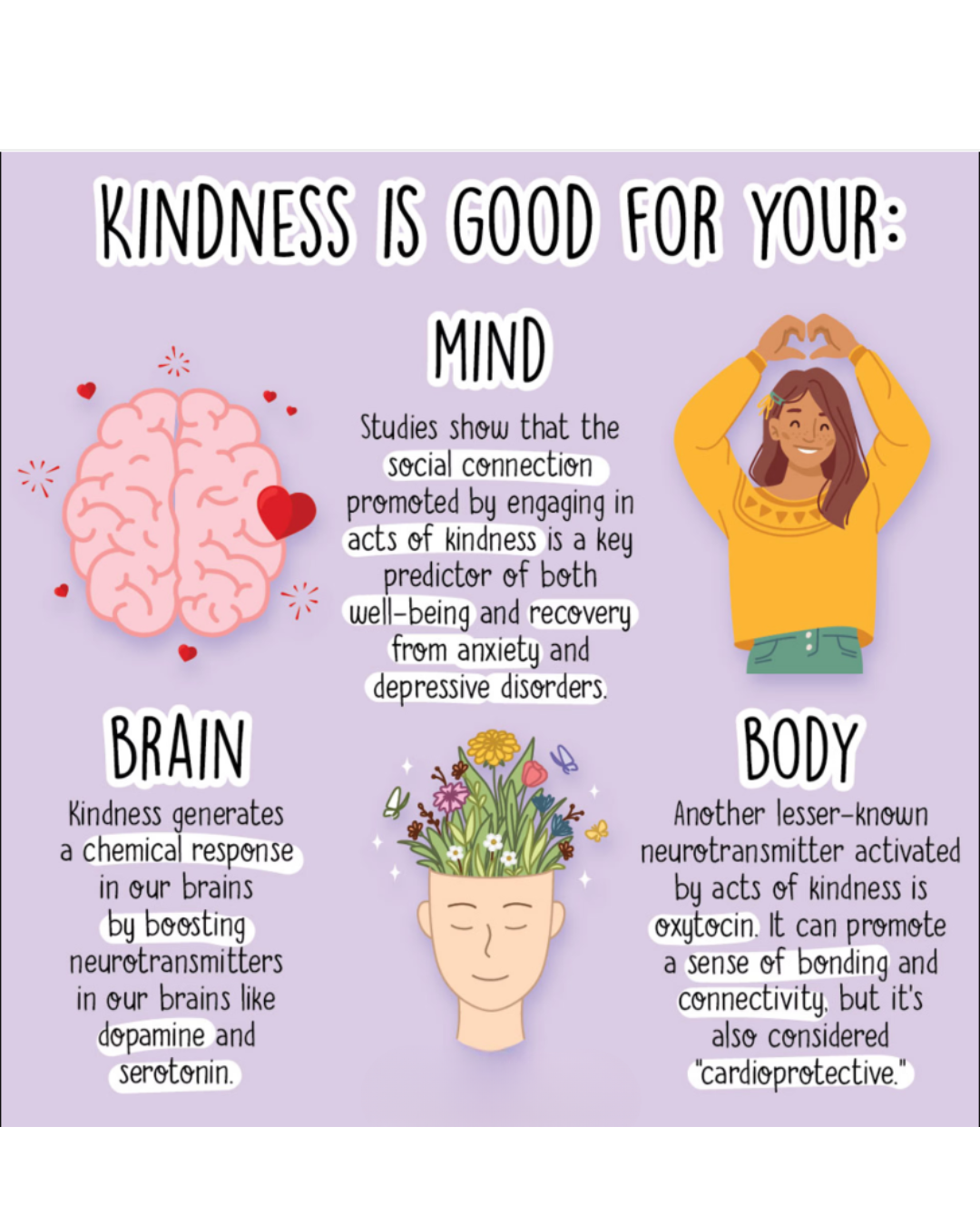
Spreading kindness is a surefire way to lift our mood. A recent study by Ohio State University found that small acts of kindness benefit both the giver and the receiver. Make a habit of small, thoughtful gestures, like writing a thank you note, paying for someone's coffee, or giving someone a heartfelt compliment. Small but deliberate acts of kindness can generate long-lasting feelings of purpose and joy, helping combat isolation and sadness (Cregg & Cheavens, 2022).
4. Light Up the Evenings With Meaning
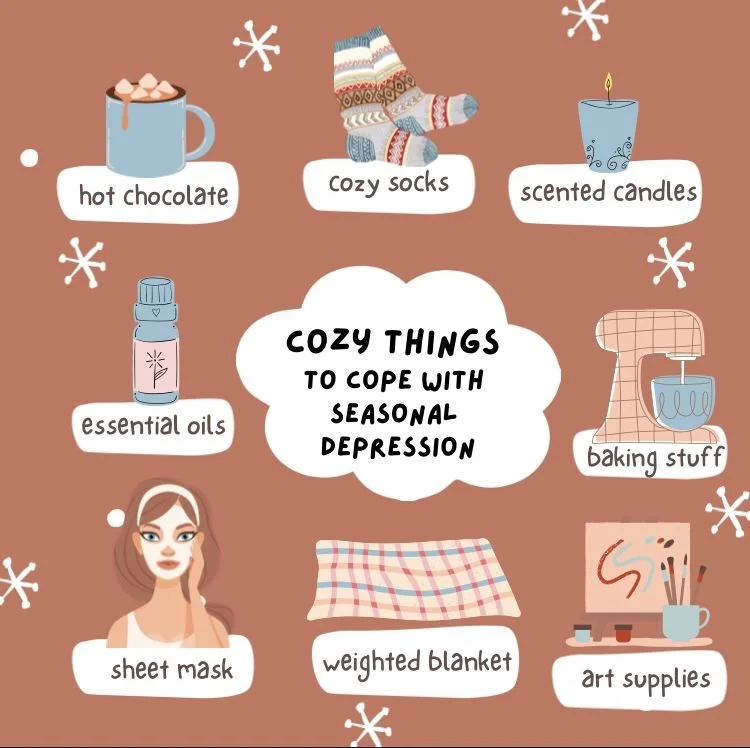
In the fall and winter, it can sometimes feel like the sun begins to set as soon as it rises. The longer periods of darkness can feel draining without a good plan. Instead, let's reclaim our evenings by adding soft, cozy lighting to our space, and incorporating gentle yet elevating activities: cooking, reading, or spending time with a loved one are just a few examples. These simple changes will help counterbalance the lack of daylight during the fall and winter months.
5. Make a Positivity Playlist
Music affects the mood, and a compiled playlist of songs that uplift one is a sure mood-booster. To start, we can compile some tracks that raise our energy levels and make us happy and then listen to them while we tidy up, walk, or whenever we feel down. It raises dopamine levels in the brain, hence making it an easy way to lift our spirits whenever SAD symptoms strike. One of my team members and his wife have a playlist called “Feel-Good Songs to Lift Your Mood” that can serve as inspiration when building your own!
article continues after advertisement
Conclusion
Fighting SAD doesn’t require drastic changes. By adopting small, purposeful habits—like embracing nature, crafting a morning routine, and surrounding ourselves with uplifting moments—we can keep our spirits high throughout fall. Try one of these tips today and watch your mood transform.


8 Ways to Adjust to the End of Daylight Saving Time
The psychological impact of the shift, and how to cope.
The notorious time change that marks the end of Daylight Saving Time is just around the corner. With the arrival of the fall season, clients start preparing emotionally and physically for the colder, darker, shorter days to come. While gaining an extra hour of sleep sounds like a good thing, this seemingly innocuous shift can have surprisingly substantial psychological effects. I've worked extensively with clients on helping them understand how the time change can impact one's mood.
Do these statements sound familiar?
"I don't feel like going to the gym after work because it's already dark when I leave."
"It's too cold to go anywhere."
"My motivation is low during the winter, I just want to hibernate."
Our internal body clocks, known as circadian rhythms, are highly sensitive to changes in light and darkness. Circadian rhythms influence every part of our bodies from our sleep-wake cycle, hormone production, to our appetite. Additionally, mood disorders such as seasonal affective disorder (SAD), major depressive disorder (MDD), and bipolar disorder (BD) are strongly associated with abnormal sleep and changes in circadian rhythms. When we set back the clock during the fall, effectively "gaining" an hour, our circadian rhythms can be thrown off balance, leading to a host of psychological challenges.
Disrupted Sleep Patterns. The time change can disrupt our sleep patterns, as our bodies struggle to adjust to the new schedule. It's like emotional jet lag. Scientific studies have shown that even small shifts in sleep timing can lead to sleep deprivation, fatigue, and irritability. This disruption can have a cascading effect on mental health, focus, and overall productivity.
Mood and Mental Health Impact. The change in daylight hours can also impact our mood and mental health. Seasonal Affective Disorder (SAD), a form of depression that follows a seasonal pattern, is more commonly experienced during the fall and winter months. The time change can exacerbate symptoms of SAD, such as low mood, lack of energy, changes in sleep/appetite, and decreased motivation. If you experience SAD, you often notice a pattern of when it begins and ends each year. Research suggests that there is an 11 percent increase in depressive episodes during the switch from daylight saving to standard time.
Productivity and Motivation Challenges. Our brains are wired to function optimally within a set routine and love consistency. The time change significantly disrupts this routine, leading to difficulties in concentration, focus, memory recall, and overall productivity.
Coping Strategies for a Smooth Transition
It's tempting to pull the covers over your head, but it is time to find new ways to cope and take care of your mental health. Here are some tips to help you thrive during the time change.
Give Yourself Time to Adjust. It can take several days or even weeks for our brains to fully adjust to the new schedule. Thus, it can be wise to avoid planning anything major or make big decisions or important meetings right after the time change.
Vitamin D-rich Foods. It's important during the winter to improve your vitamin D level. Low vitamin D is associated with having the winter blues. Since we are unable to get outside to get sunlight in the winter, you can improve your Vitamin D level through supplements or Vitamin D-rich foods such as salmon, mushrooms, eggs, fortified cereals, and milk.
Embrace Natural Light. Maximize your exposure to natural light, especially in the morning. Open your curtains wide, go for a walk or sit outside, or enjoy your morning coffee on the porch. Natural light is a free, easy, and effective way to recalibrate your internal clock and promote the production of mood-boosting neurotransmitters.
Light Lamps. If you can't get outside, light therapy lamps are the best investigated and most successful intervention. Put it on for 20 minutes in the morning. This can help significantly to brighten you mood.
Gradual Adjustment. Rather than waiting until the last minute, gradually adjust your sleep schedule in the days leading up to the time change. Start by going to bed 15 minutes earlier each night, allowing your body to acclimate gradually. This approach helps minimize the shock to your system.
Mindful Evening Routine. Create a soothing evening routine to signal to your body that it's time to wind down and prepare for restful sleep. Engage in activities such as reading, listening to music, taking a warm bath, or practicing relaxation techniques like deep breathing or mindful meditation. This conscious transition can promote a better, more restful sleep experience.
Dawn Stimulators. These innovative bulbs can gradually increase the intensity of light in your bedroom, simulating a sunrise and gently nudging your body into wakefulness. This can be particularly helpful for those struggling with early morning wake-ups.
Mindful Movement. Movement is a natural antidepressant. This can include cleaning, walking, dancing, or any kind of movement. It's tempting to stay in bed when it is cold and dark. However, movement can help to keep you feeling motivated and brighten your mood.
Due to the psychological difficulty of adjusting to the time change, there have been many attempts in Congress to put an end to Daylight Saving Time. However, those efforts have not been successful. Therefore, as we prepare to fall back and embrace the changing seasons, it's essential to understand the psychological and physical impact of the time change and arm ourselves with effective coping strategies.
The good news: The time change is but a temporary disruption, and with a little mindfulness and self-care, we can continue to thrive throughout the fall season and beyond.


Fall invites us to slow down and notice the world changing around us. Take a mindful walk today—feel the air, hear the crunch of leaves, and let the season ground you.


Three Ways Autumn Promotes a Happier Frame of Mind
Rake in the mental health benefits of the season
Apples, pumpkins, and sweater weather. Autumn is a great time of year to get healthier. The season brings a bounty of nutritious vegetables and fruits, and cooler temperatures are ideal for many outdoor physical activities. What may be less apparent — but just as important — are the ways in which autumn promotes a frame of mind that’s conducive to mental well-being.
Embracing Change
Change is one of the defining characteristics of the season. Temperatures drop, leaves change color, and the days gradually grow shorter. That makes fall a natural time to rethink your attitude toward changes in your daily life and relationships, says Melissa Gratias, Ph.D., a productivity coach, author, and speaker with a doctorate in industrial and organizational psychology.
“Some people respond to change in a way that’s similar to how they respond to a significant loss — with grief,” says Gratias. “Their feelings are normal and understandable, but to be resilient and happy, these individuals need to move through grief toward acceptance.”
Fall is an annual reminder that change has pros as well as cons. “Sure, the leaves die and fall off the trees, but they also become mulch for new growth,” says Gratias. “In the same vein, sure, your teenaged kids may be acting moody and irritable lately, but they are also laying a foundation for independence.”
Fostering Mindfulness
Depending on where you live, fall may offer a welcome respite from the summer swelter. Fall days are often not too hot, not too cold, but just right for spending time out in nature.
Research suggests that it may be easier to tap into mindfulness amid natural surroundings. The authors of a review article published this month in the International Journal of Environmental Research and Public Health looked at 25 relevant studies. They found that mindfulness interventions in natural settings were moderately more effective than those in manmade settings.
“Nature is an amazing guide to grounding in the present moment,” says Julianne Schroeder, M.S., LPC, RYT, a licensed professional counselor, registered yoga teacher, and speaker. “That’s important because a lot of emotional and mental distress comes from either rehashing past events or worrying about the future. Practicing mindfulness retrains your brain to be in the here and now.”
To help you get started, Schroeder shares this mindfulness exercise to try on a fine fall day:
Go outside.
Notice what you can see around you; for example, you might note and name the varied, vibrant colors of the leaves.
Observe what you can physically feel in the moment; for example, your breath moving in and out, the firmness of the ground beneath your feet, the coolness of a breeze.
Listen to what you can hear around you; for example, the rustling of leaves, the sound of squirrels scurrying about.
Stay as long as needed.
Return to your day feeling calmer and more centered.
Renewing Connections
“Fall is a wonderful time for traditions that bring people together,” says Annie Hsueh, Ph.D., a clinical psychologist in Southern California who specializes in couples therapy. And it’s not just about Thanksgiving, she notes. Every fall, a family might visit the same pumpkin patch or a group of friends might get together for a tailgating party.
“Social connectedness is great for emotional health,” Hsueh says. Traditions that include others help strengthen social bonds, create shared memories, and provide a sense of continuity. In the days leading up to the event, they also give you something to look forward to — and Hsueh says the anticipation alone may help you get through a hard day.
One caveat: “It’s important to be flexible and know that traditions can evolve over time,” Hsueh says. Some might even fade away entirely, but that’s fine because traditions are a renewable psychological resource. You can always make this the first year for a brand-new fall tradition.