Today is World Chocolate Day, which might seem like just a fun excuse to indulge—but it actually has some brain science behind it.

Chocolate (especially dark chocolate) contains compounds that can boost dopamine and serotonin, two key neurotransmitters involved in regulating mood, focus, and motivation. It’s not a cure-all, but even a small treat can gently shift how we feel in the moment.

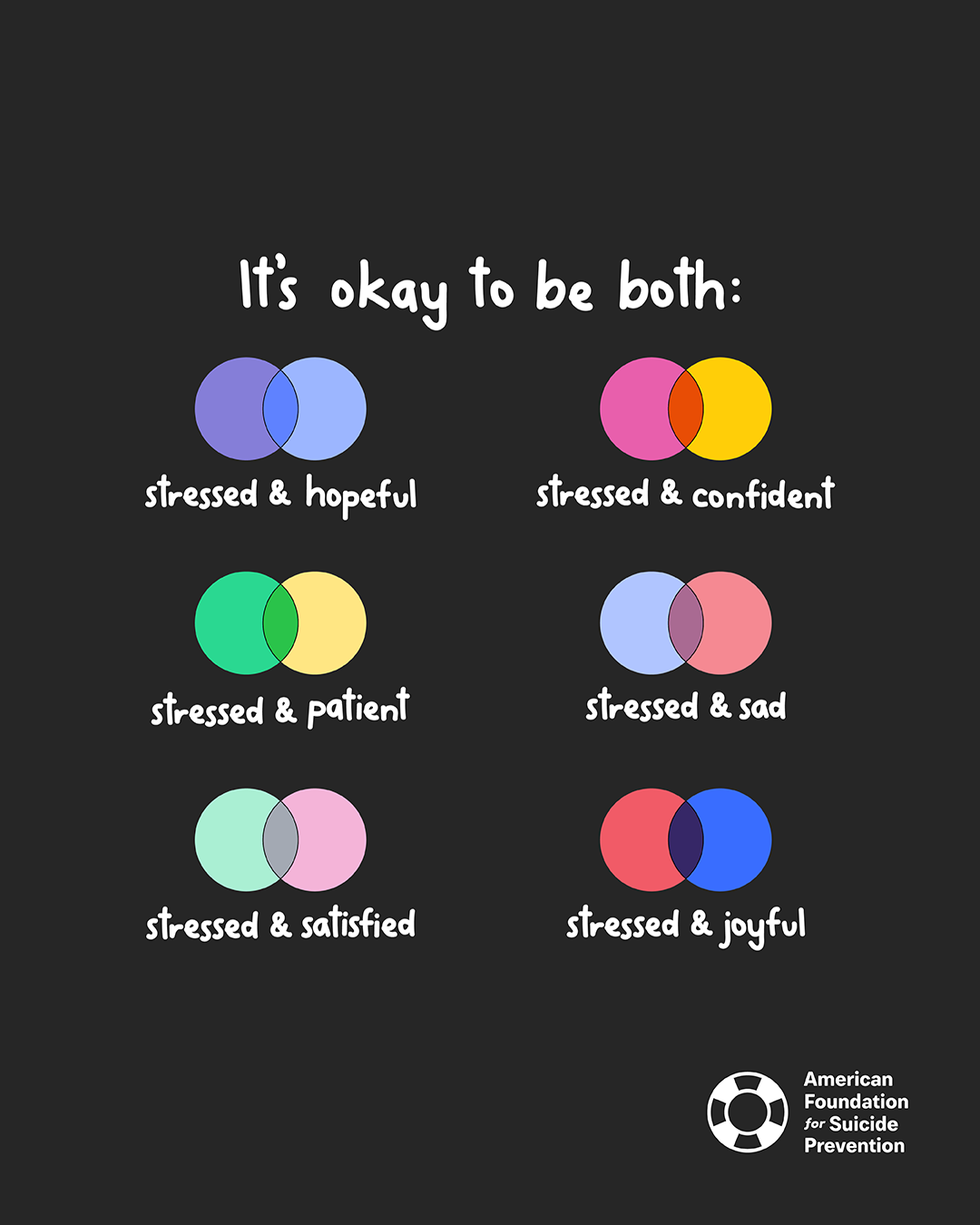
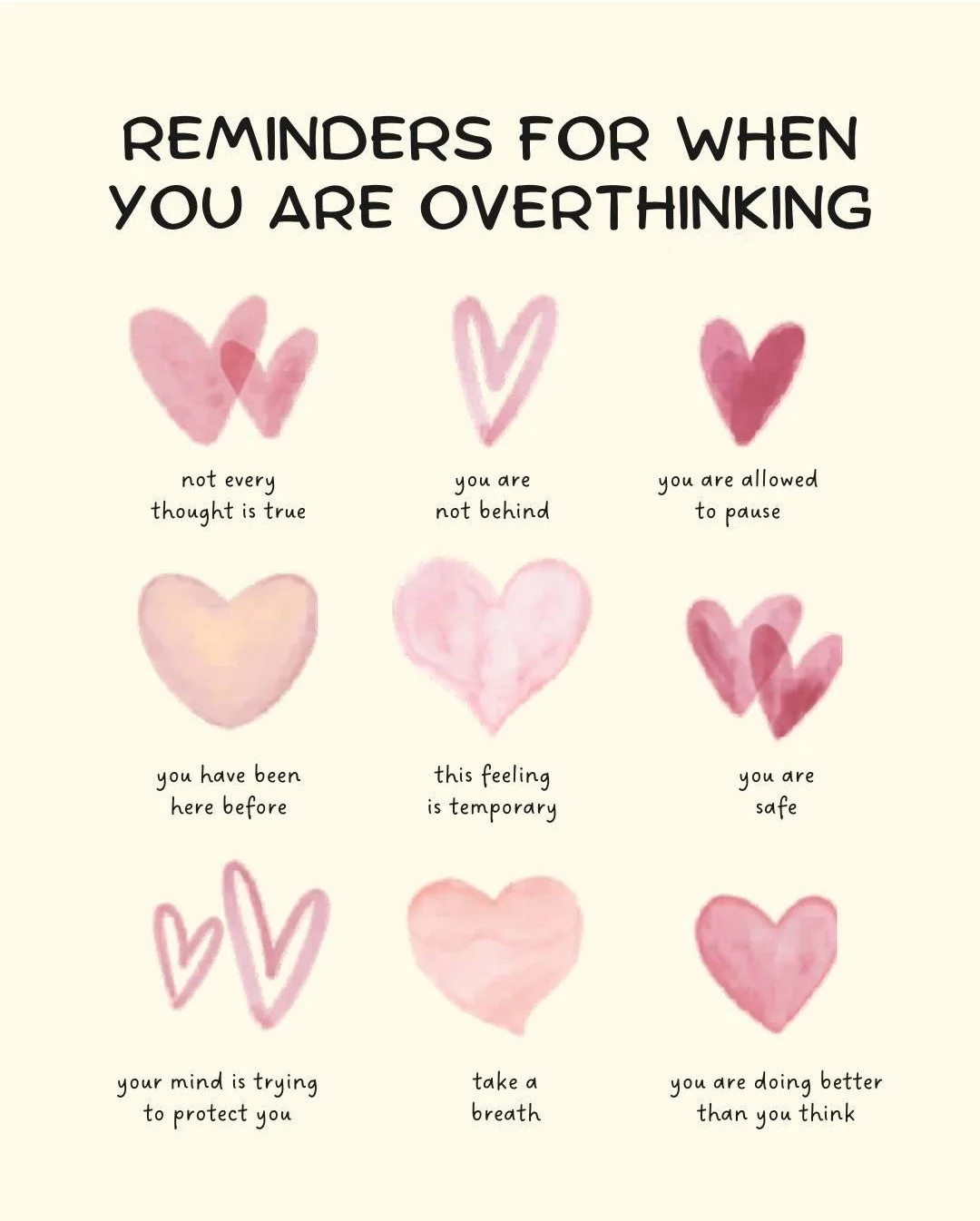
That matters—because when you’re overwhelmed, burnt out, or emotionally drained, even the idea of “self-care” can feel like one more thing to figure out or perform.

So here’s the gentle truth:

Small joys are powerful.

And they count, even when life feels messy, complicated, or uncertain.

Whether you're navigating stress at work, showing up for others while neglecting your own needs, supporting a neurodivergent child, or just trying to hold yourself together—you deserve pleasure, comfort, and small moments of ease.

Sometimes it’s a deep breath. A favorite song. A hot shower. A piece of chocolate. These sensory moments don’t fix everything—but they can remind us that we’re still human. Still worthy of care. Still allowed to feel good, even if just for a minute.

So today, let chocolate remind you:

  • You don’t have to earn rest or pleasure

  • Coping doesn’t always need to be “productive”

  • Small joys can be a form of resistance, healing, and self-connection

What Is Solitude?

Loneliness is marked by a sense of isolation. Solitude, on the other hand, is a state of being alone without being lonely and can lead to self-awareness.

As the world spins faster and faster—or maybe it just seems that way when an email can travel around the world in fractions of a second—we mortals need a variety of ways to cope with the resulting pressures. We need to maintain some semblance of balance and some sense that we are steering the ship of our life.

Otherwise we feel overloaded, overreact to minor annoyances and feel like we can never catch up. As far as I'm concerned, one of the best ways is by seeking, and enjoying, solitude.

That said, there is an important distinction to be established right off the bat. There is a world of difference between solitude and loneliness, though the two terms are often used interchangeably.

From the outside, solitude and loneliness look a lot alike. Both are characterized by solitariness. But all resemblance ends at the surface.

Loneliness is a negative state, marked by a sense of isolation. One feels that something is missing. It is possible to be with people and still feel lonely—perhaps the most bitter form of loneliness.

Solitude is the state of being alone without being lonely. It is a positive and constructive state of engagement with oneself. Solitude is desirable, a state of being alone where you provide yourself wonderful and sufficient company.

Solitude is a time that can be used for reflection, inner searching or growth or enjoyment of some kind. Deep reading requires solitude, so does experiencing the beauty of nature. Thinking and creativity usually do too.

Solitude suggests peacefulness stemming from a state of inner richness. It is a means of enjoying the quiet and whatever it brings that is satisfying and from which we draw sustenance. It is something we cultivate. Solitude is refreshing; an opportunity to renew ourselves. In other words, it replenishes us.

Loneliness is harsh, punishment, a deficiency state, a state of discontent marked by a sense of estrangement, an awareness of excess aloneness.

Solitude is something you choose. Loneliness is imposed on you by others.

We all need periods of solitude, although temperamentally we probably differ in the amount of solitude we need. Some solitude is essential; It gives us time to explore and know ourselves. It is the necessary counterpoint to intimacy, what allows us to have a self worthy of sharing. Solitude gives us a chance to regain perspective. It renews us for the challenges of life. It allows us to get (back) into the position of driving our own lives, rather than having them run by schedules and demands from without.

Solitude restores body and mind. Loneliness depletes them.

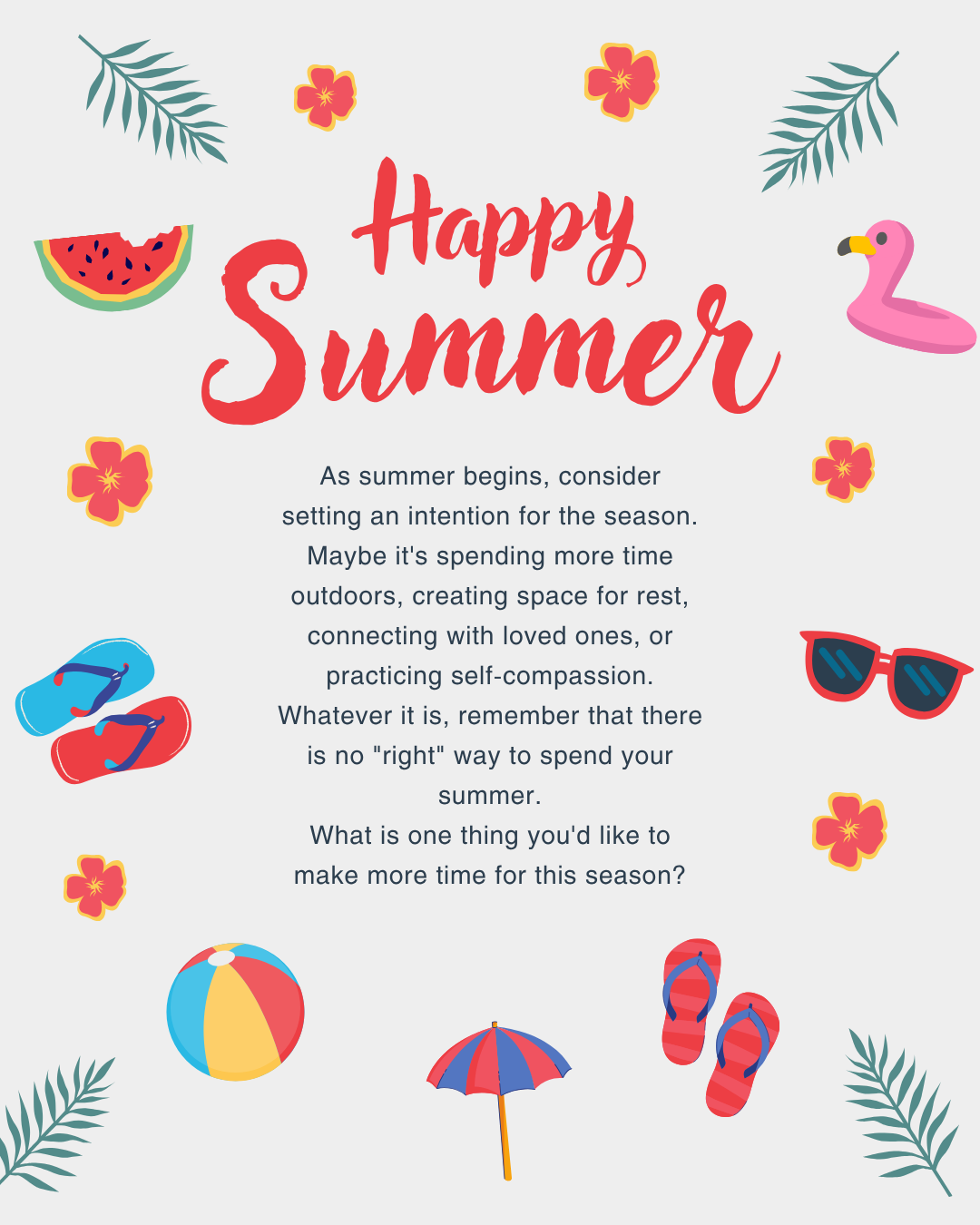
The start of a new season can be a great opportunity to check in with yourself and consider what you need most in the months ahead. While summer is often associated with vacations, adventures, and packed schedules, it can also be a time to slow down, reconnect with what matters, and prioritize your well-being.

In the midst of busy schedules and daily responsibilities, it's easy to overlook the small moments that bring us joy. Taking time to notice and appreciate these simple pleasures can help us feel more grounded, grateful, and connected to the present moment. Today, try creating a "Small Joys Inventory" by making a list of the little things that have made you smile recently. You may be surprised by how much goodness is already woven into your everyday life.

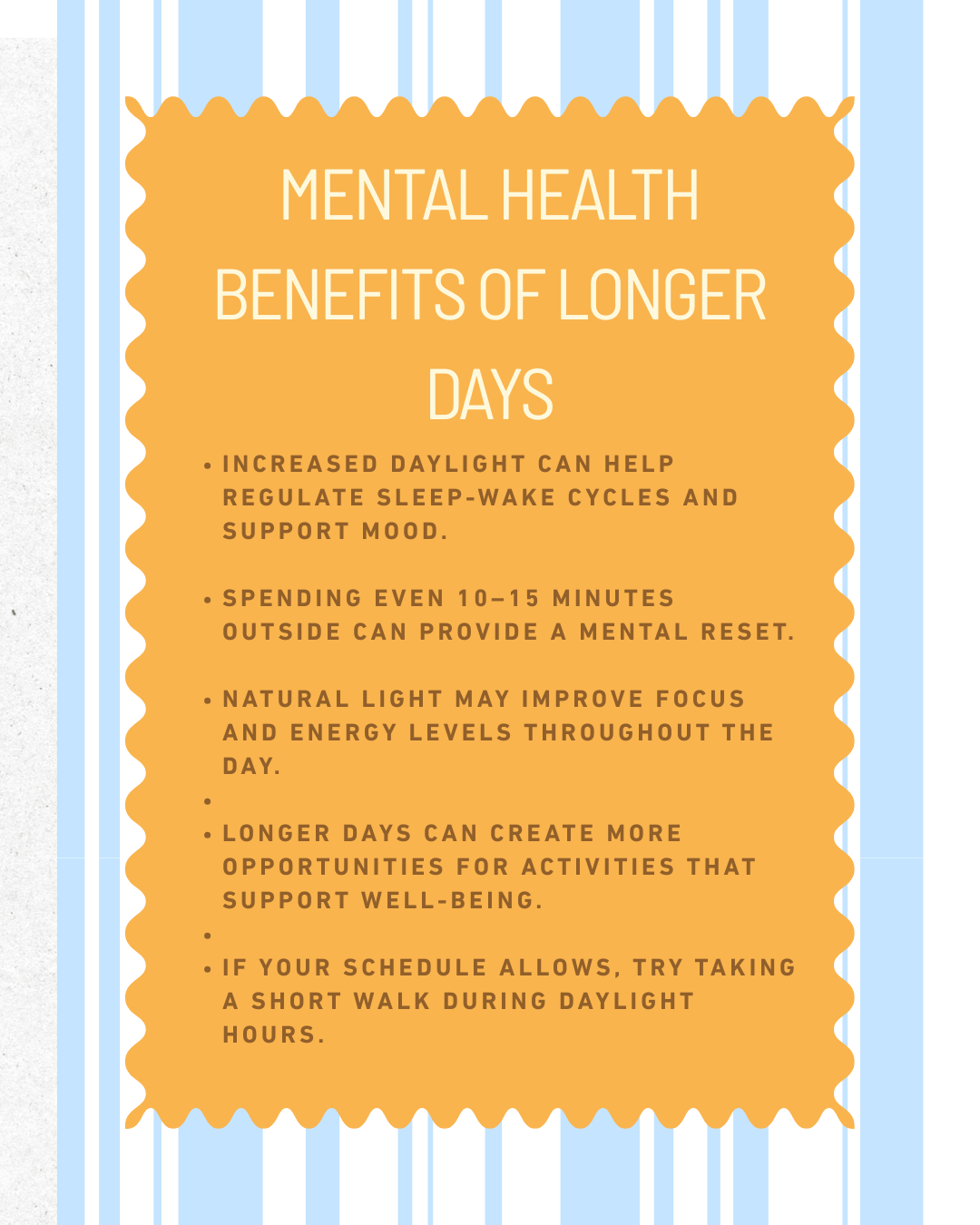
As the days grow longer, many of us notice a shift in our energy, mood, and daily routines. More daylight can offer opportunities to spend time outdoors, reconnect with nature, and build habits that support our mental well-being.

How are you making the most of the longer days this season? ☀️

Alleviate Summer Pressure and Enjoy the Season Your Way - Navigate the high expectations of summer with clarity and intention.

While summer brings the warm weather and sun-filled days that we have been awaiting, the carefree season also comes with high expectations. We are invited to unwind and let go of our worries, yet there is a tremendous amount of pressure to relax and make the most of the summer months. For many folks, summer can be more stressful than it is exciting or relaxing.

The pressure we feel to relax and live up to society’s expectations about what a productive and fun summer looks like can create a different kind of stress that undermines the very feeling many of us are hoping to achieve. These implicit expectations can become overwhelming, hindering us from experiencing authentic happiness and genuine relaxation. This pressure surrounding the summer months can also hold us back from truly enjoying the beauty of the season.

When we define what it means to unwind and enjoy summer on our own terms, we create the spaciousness to rediscover and reconnect with ourselves and with the things and people that matter most.

Here are three ideas to help you approach the summer season with gentleness and intention.

Let go of comparisons

There are always going to be outside pressures and something else we could be doing, should be doing, or ought to be doing with our time. This is especially true when we are constantly comparing our plans and experiences with those around us. While we spend time scrolling through our social media, remember that these are perfectly curated highlights rather than the whole reality. The extravagant vacations and picture-perfect posts of an idealized version of relaxation can leave us feeling like we’re not enough and that what we’re doing isn’t enough.

The reality is that everyone’s summer is going to look different, and that is okay. The constant comparison can rob us of joy in our own unique experiences. We won’t find fulfillment in tailoring our summers to the expectations of others. True fulfillment comes from aligning our actions with our values and what matters most to us.

Set realistic expectations

There’s often this hidden pressure we feel to make each summer the most memorable one yet, year after year. As a result, many of us tend to set unrealistic expectations for ourselves. We cram our calendars with travel plans, ambitious projects, and various social obligations, leaving nothing for ourselves.

Being ‘busy’ has become a normative way of living. We’re all trying to do more and be more, leaving us feeling exhausted and deprived of genuine rest. Summer is a time when we want to unload our plates (or platters), yet we know that so many of us feel this pressure to constantly be ‘productive’. Sometimes, guilt sets in as we feel we are not being productive enough. This relentless quest for relaxation can become counterproductive as it transforms into a relentless pursuit of productivity.

Consider what is practical and realistic for you and your loved ones. While there’s a shift in pace that can come with the summer months, our work and responsibilities still exist, and we need to be mindful as we add more activities to our already full lives. To alleviate some pressure, we can seek clarity around what it is that we are trying to achieve this summer; relaxation doesn’t have to be as extravagant or time-consuming as society sometimes makes it out to be.

article continues after advertisement

Go for the feelings

Once we have radical clarity around what we hope to achieve this summer and how we want to show up, we can start to think of behaviors and practices that match. All too often, we pursue activities that don’t resonate with us or don’t bring us closer to how we want to be feeling.

Are you looking to feel a sense of ease, tranquility, adventure, creativity, joy, or peace? Do you want to be more present and connected? What feels restorative for you?

Once we are clear on how we want to be feeling, we can ensure that we choose actions, behaviors, and activities that align with our desired feelings as we plan our days. We can schedule time for play, adventure, and creativity. We can also find and build in moments of peace, ease, and tranquility.

Final Thoughts

We experience many pulls on our time and energy, leaving us feeling overwhelmed and disconnected from the parts of our lives that matter most. When you cut out all the noise and ignore all the external pressures, what do you want your summer to feel like? How do you want to feel this summer?


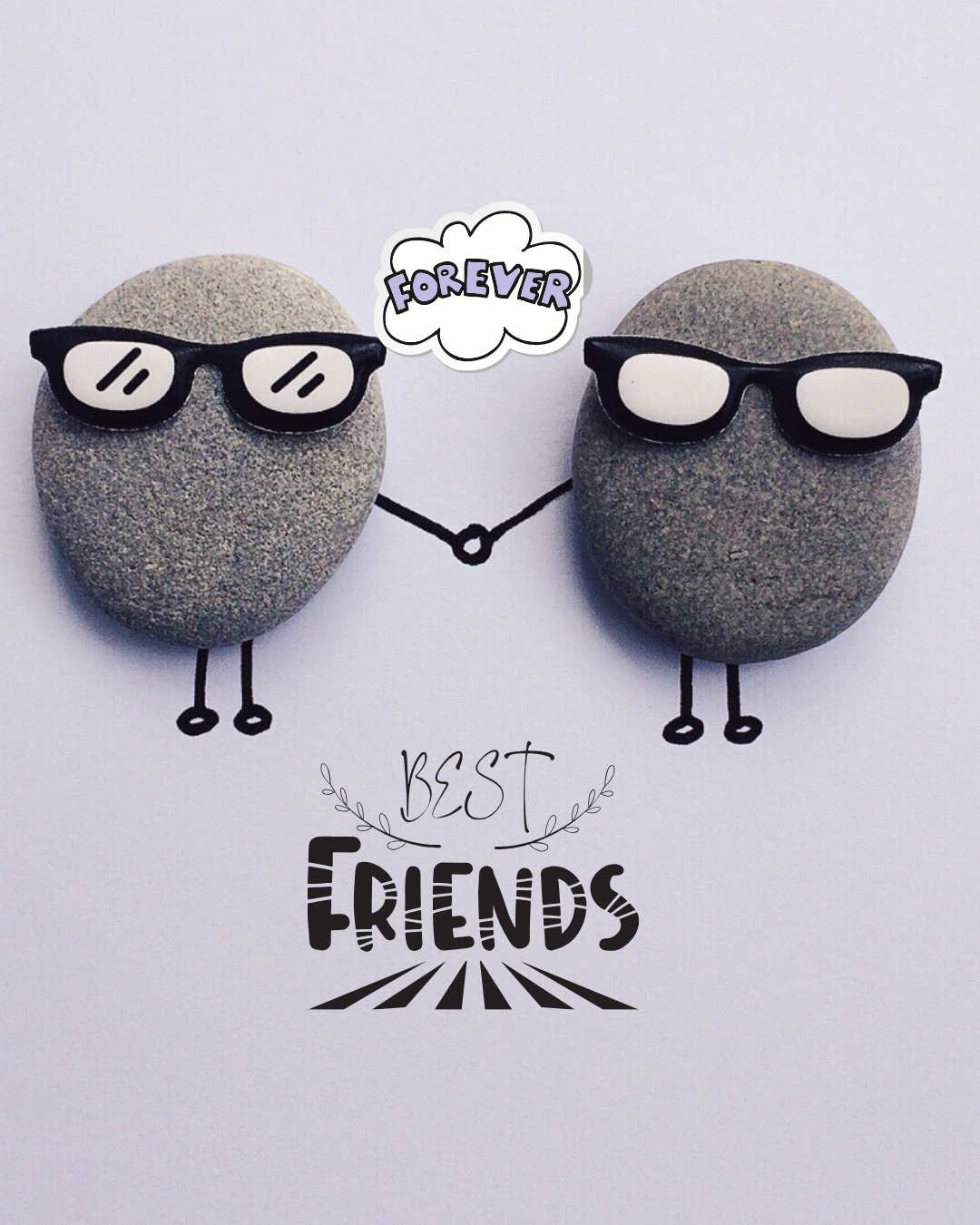
Happy Best Friends Day! Meaningful friendships can play an important role in supporting our mental health, offering connection, encouragement, and a sense of belonging. Whether it's a quick text, a shared laugh, or a heartfelt conversation, small moments of connection can make a big difference. Take a moment today to reach out and let a friend know you appreciate them.

Healing from mental health and substance use issues is not just the absence of symptoms. It is a stable home, meaningful connection, and the tools to move forward. That is the promise of whole-person care. https://www.samhsa.gov/find-support #MHAM2026 #SeeThePerson #WholePersonCare

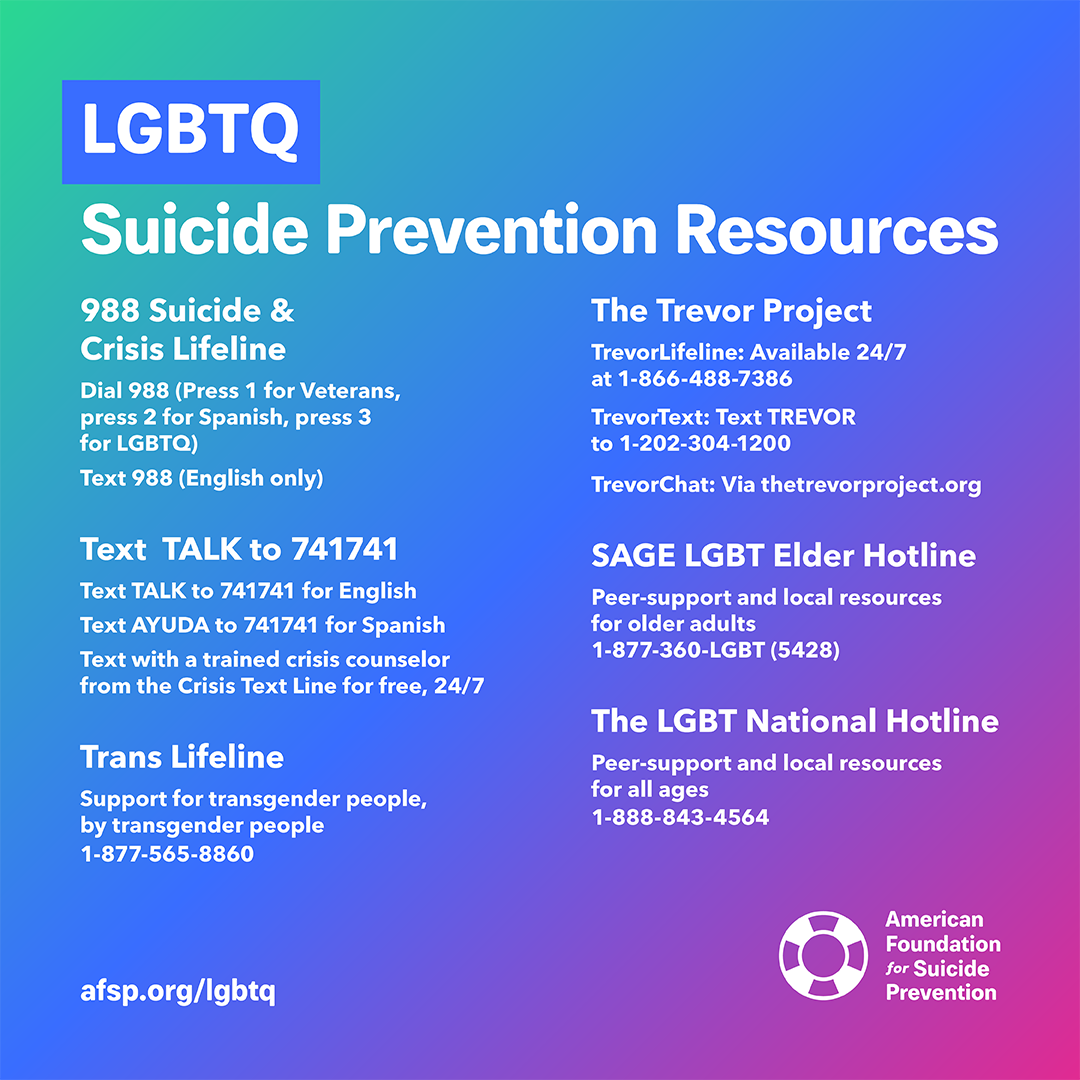
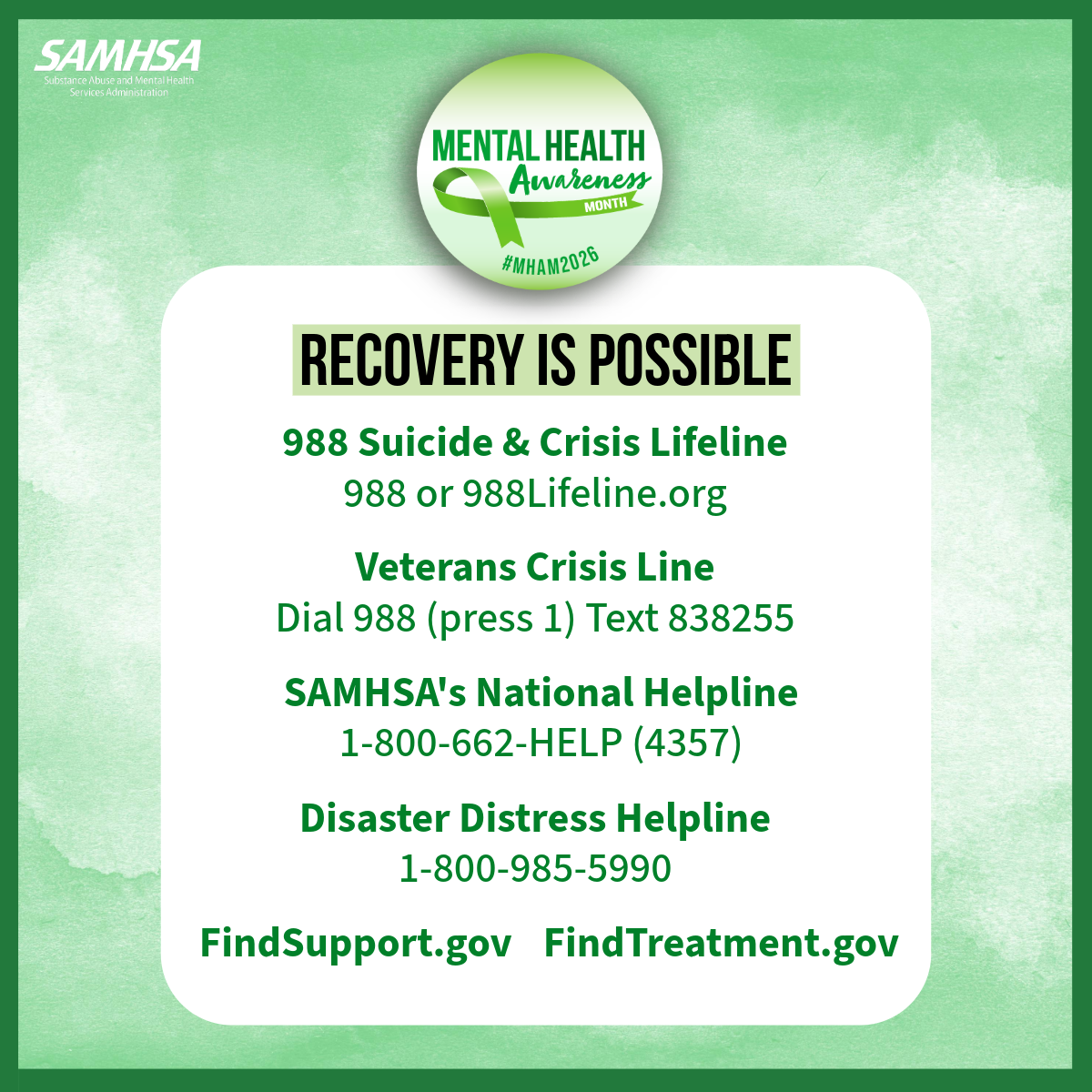
Being there for someone through a difficult moment can include helping them connect to support. 988 is available 24/7. Call or text anytime, anywhere in the U.S. You don’t have to figure this out alone. Learn more: 988lifeline.org #SeeThePerson #MHAM2026

Respectful communication about mental health is especially important during times of transition, including housing instability or reentry into the community. Compassionate words signal safety when people need it most. https://www.samhsa.gov/resource/ebp/permanent-supportive-housing-evidence-based-practices-ebp-kit #MHAM2026 #MentalHealthAwarenessMonth