




When we focus on the person and not the diagnosis, we create more supportive conversations about mental health. https://www.samhsa.gov/find-support/helping-someone/how-to-talk-to-someone-about-help #SeeThePerson #MHAM2026 #SupportMatters

Supporting youth mental health is a shared responsibility. Families, schools, healthcare providers, and communities all play a role in early identification and support. https://www.samhsa.gov/find-support/helping-someone #SeeThePerson #MHAM2026
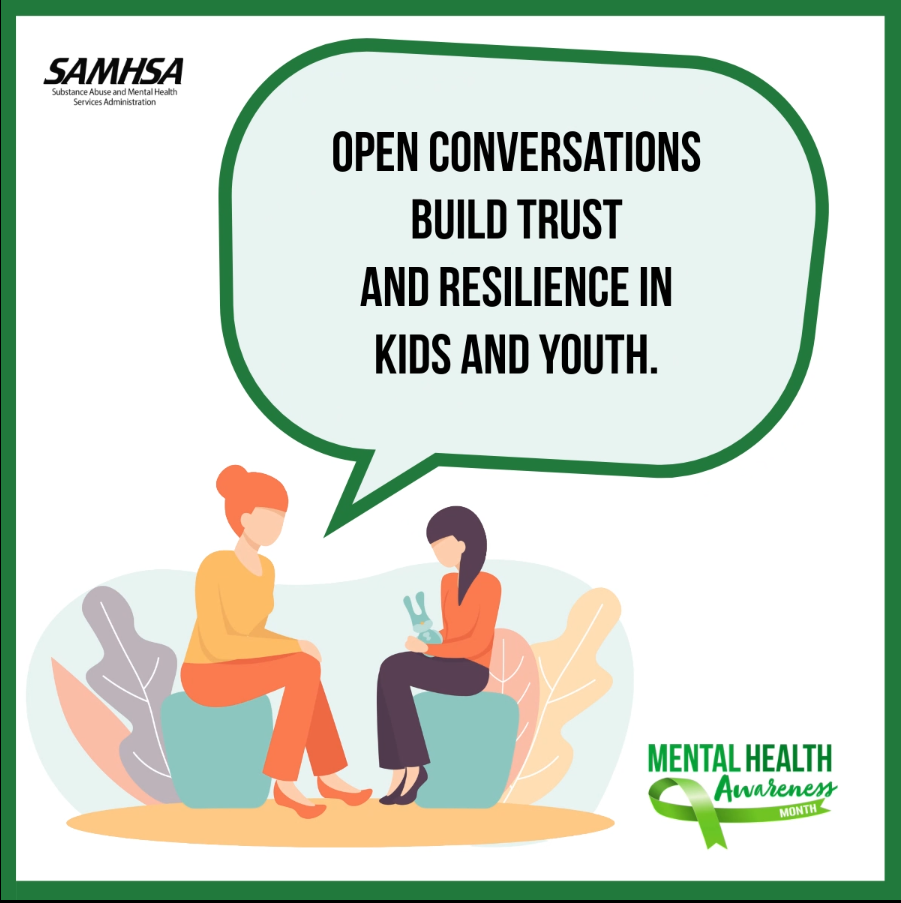
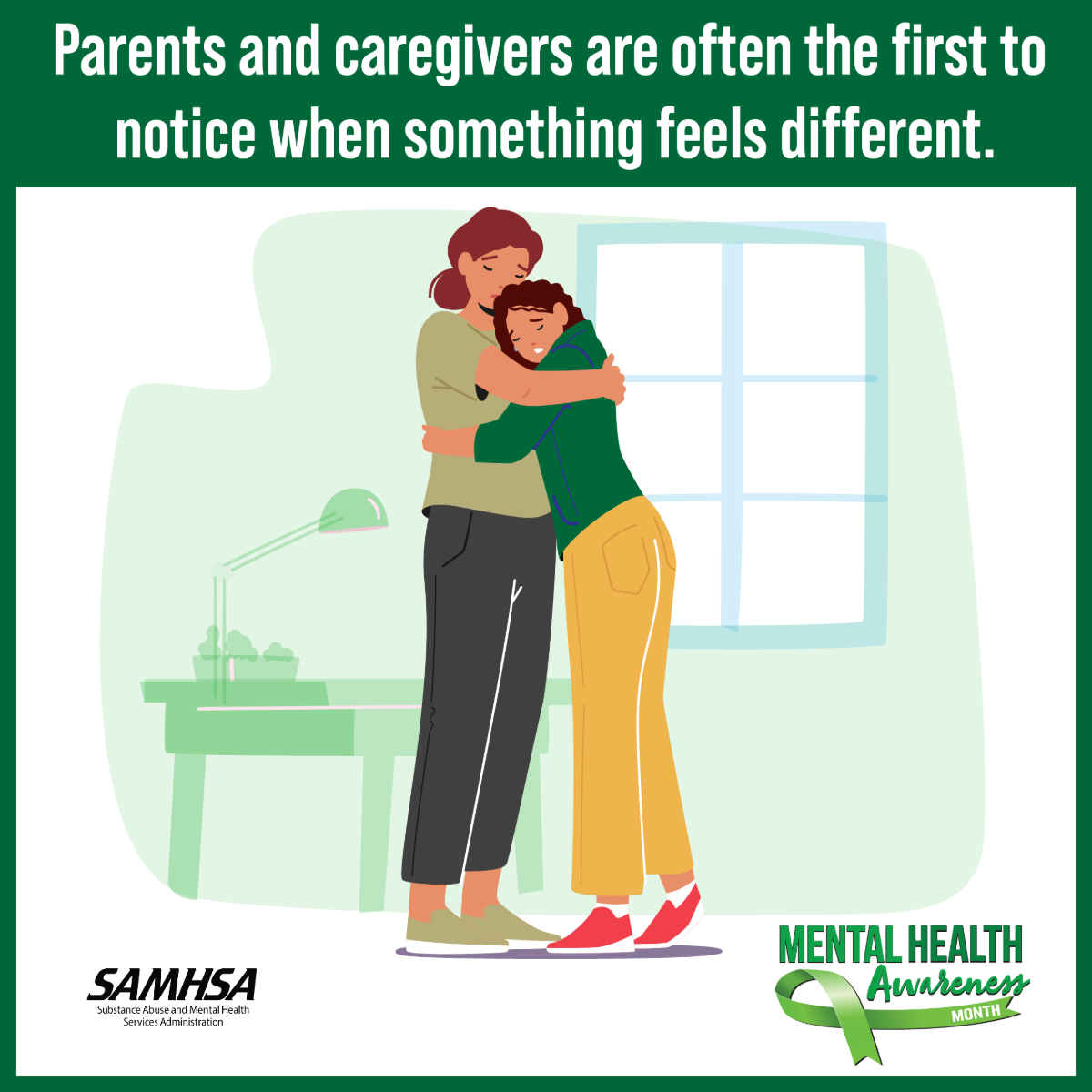
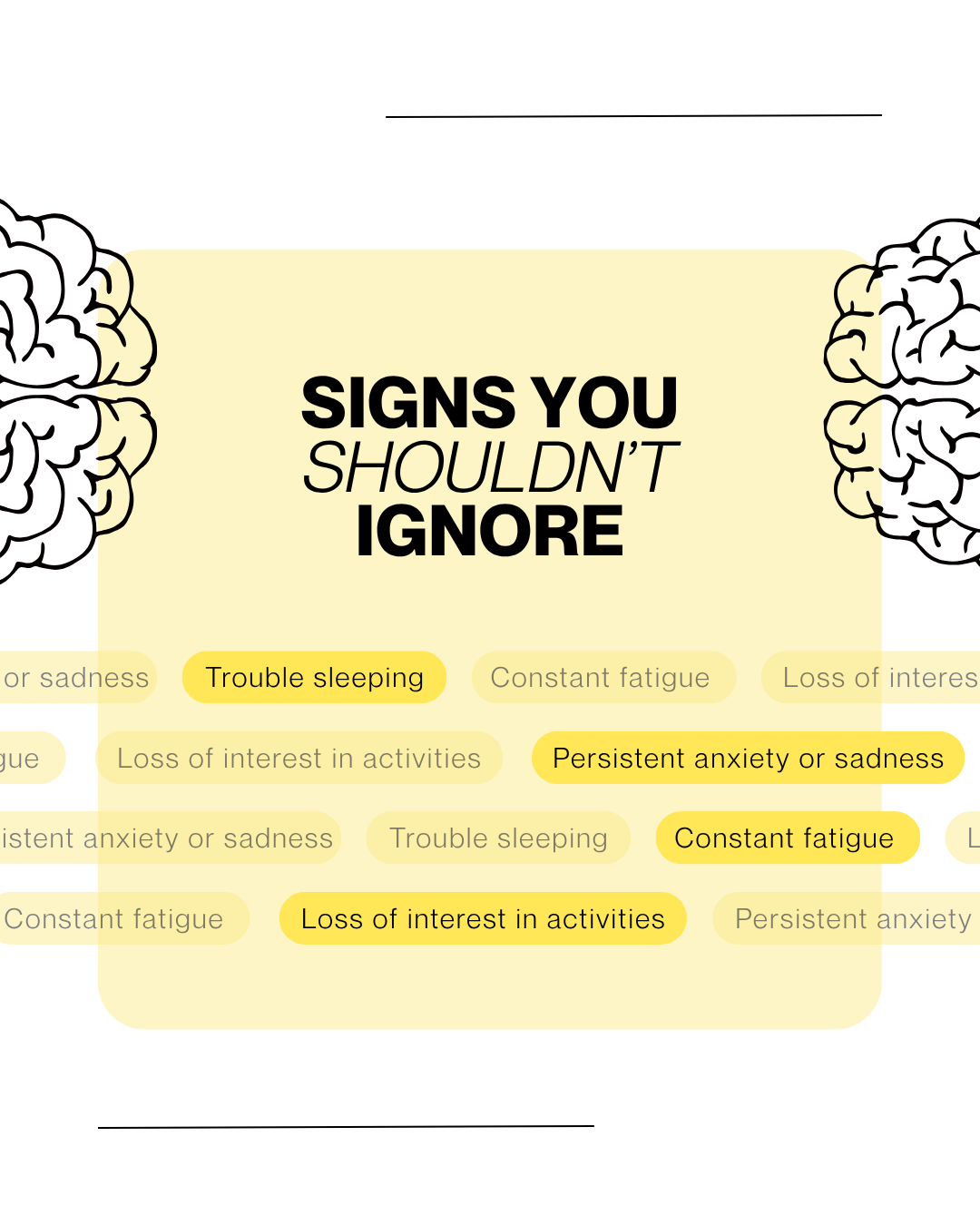
Parents and caregivers are often the first to notice when something feels different. Changes in mood, sleep, appetite or behavior may signal a young person needs support. https://www.samhsa.gov/find-support/helping-someone/helping-your-child #MentalHealthAwarenessMonth #SeeThePerson
MH Awareness Month 2026
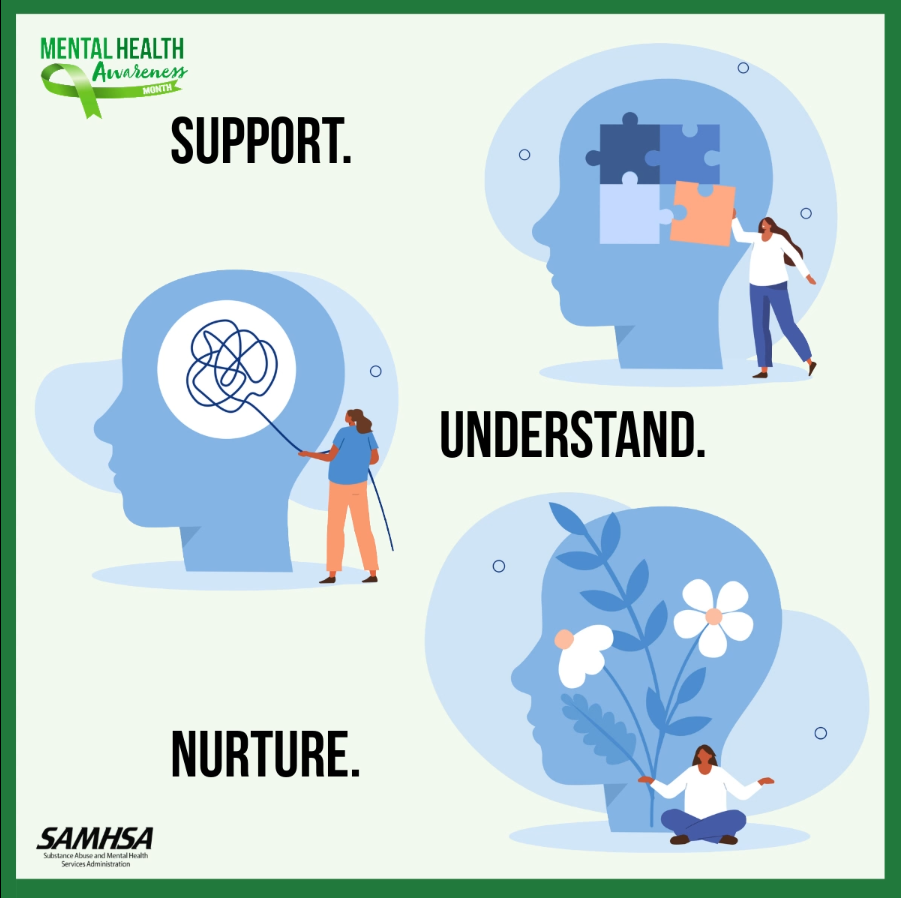
Supporting someone living with a serious mental illness starts with understanding. Learning about mental health conditions can help you respond with empathy and confidence. Learn more: https://www.samhsa.gov/mental-health/serious-mental-illness/managing-life #MHAM2026 #SeeThePerson
MH Awareness Month 2026
Mental health conditions are medical conditions and people living with them are more than a diagnosis. This #MentalHealthAwarenessMonth, let’s lead with understanding. Learn more: https://www.samhsa.gov/mental-health #SeeThePerson #MHAM2026
How to Talk to Strangers
The life-changing art of talking to strangers.
Key points
You always have something in common with a stranger because you're in the same place at the same time.
A conversation that goes nowhere beyond that moment is still meaningful.
Not every stranger will turn into a friend, and that's OK.
Recently, I was asked to blurb a book called Once Upon a Stranger. In it, I learned fascinating insights on why talking to strangers can benefit you in ways that even your most intimate relationships can’t. I interviewed the author, Gillian Sandstrom, who is also an associate professor at The University of Sussex.
Gillian Sandstrom: So the QUICK framework on how to talk to strangers:
QU = Question
IC = In Common
K = Kindness
The one I use most often is asking a question—particularly tapping into genuine curiosity. I'll see someone doing something interesting and just ask, "What are you doing?" in a playful tone. I saw someone photographing a fence in a park and just said, "What are you doing?" It gets you past small talk immediately and into something real. And if you're observant, there are endless opportunities. I walk a lot, so if I see someone with binoculars, I'll say, "Oh, what are you looking for?"
The IC stands for "in common.” You always have something in common with a stranger because you're in the same place at the same time. You might be waiting for the same bus or sitting in the same waiting room. That shared context is an easy starting point. You can also draw someone's attention to something in your environment—I've pointed out spring flowers in the park, or dogs playing nearby. It's also why we talk about the weather. And a small trick I use when I want to say "How are you" but don't want it to sound hollow: I insert the time of day. At the end of the day, I'll say, "Long day? Heading home?" It's the same sentiment, just slightly customized.
K is for kindness. Compliments are an easy opener—comment on someone's tattoo, their earrings, what they're wearing. Those are all signals of who they are and what they want to show the world. You can compliment a parent on their polite children or a neighbor on their garden. And other small acts of kindness work, too — offering directions, or sharing a table.
Marisa G. Franco: I notice a tension when I talk to strangers. If I ask something functional—like "How does the steam room work?"—it feels less vulnerable, because it seems like I just need information. But when I try to genuinely connect—like saying "Long day, huh?" on the bus—that feels much more exposed, because I'm signaling that my goal is connection. The functional question is easier, but it can fall flat. The vulnerable one is harder but richer.
GS: I write about that in the book. Asking a question feels less risky because there's a clear reason you're talking—it removes the awkwardness of "Why is this person talking to me?"
MF: Since I'm all about friendship—how do you turn a stranger into a friend?
GS: First: You don't have to. Strangers can just be strangers, and that's still valuable. A conversation that goes nowhere beyond that moment is still meaningful. But if there's a spark—the key is not to just walk away. Convert the moment into something concrete. Someone once gave me great advice: Never get off a call without scheduling the next one. The analog here is the same—if you've just met someone and liked them, put an offer out right then. The worst they can say is no.
Just last week, I chatted with someone at a bus stop and on the bus for maybe seven or eight minutes. We exchanged enough to find each other online. Before I could even reach out, he emailed me. We're having lunch in a couple of weeks.
MF: Sometimes a stranger encounter is just a beautiful moment. But sometimes it triggers a whole chain of events. I talked to a neighbor, and now she's my best friend—we just went to Guatemala together. Another neighbor and I meet twice a month to work on our mental health. Such a long chain of lovely things.
GS: And sometimes it's even simpler—my husband just signed up for pottery classes because I mentioned a studio I'd heard about from someone on a train. Small conversations open doors to things you'd never have thought of.
Start Strong But Never Finish? 4 Causes and 4 Solutions
Quitting isn't the problem, but it's a bad solution to other unresolved ones.
Key points
Starting strong and then quittting is a common problem.
Often the underlying drivers are managing the tedium of the middle stages, poor plannig, getting discouraged.
The keys are recognizing your pattern, learning skills, having realistic expectations, getting support.
You’ve probably met people like Anne. If she looks back on her life, she sees it littered with hobbies—knitting, painting—that ran out of steam, house projects—planting a garden, building a bookcase—that were never finished. Others might have a great idea for a new business, or date someone new, but like Anne, it all fizzles out after a few weeks or months.
Quitting often makes sense for a lot of good reasons, but if you have a pattern of starting strong, then sputtering and eventually stopping, never gaining momentum or reaching your goals, maybe it's time to take a closer look at what might be going on. Here are the most common culprits:
#1: The excitement wears off.
Newness is often its own reward, a dopamine hit—the thrill of the novelty, the fantasies of what the doing will be like, what the finished product will look like. But excitement is hard to sustain; eventually, you slump into the more tedious middle. The oxytocin-fueled chemistry of those first dates naturally begins to wane; the digging in the garden and the hammering of boards become mindless chores, or a better business idea bubbles to the surface, pushing the other to the side.
#2: Poor planning at the start.
Creating that magical garden costs more than expected, or you never considered how to maintain the watering when you’re away; the business venture entails a lot of legal hassles that you never expected. Often, the driver here is impulsiveness: a let’s-go, why-not attitude takes over, but the details and potential challenges are lost in the enthusiastic dust
#3: You hit a roadblock and feel overwhelmed or discouraged.
You and your new date had a big argument on Saturday night, and instead of circling back and working through it, you decided this is way too much drama and trouble. You start a new painting but realize you don’t have the skills to bring your vision to life. You feel disappointed and discouraged, or overwhelmed, and unsure of what to do next. Under the weight of these reactions, you quit.
#4: You tend to be self-critical and perfectionistic.
The bookcase looks like something a third grader would build, the garden appears scraggly, and you should have used a different stitch or yarn for the sweater you’re knitting. You beat yourself up, decide you’ll never be a gardener, builder, or knitter, and then move on to something else.
Or, you’re a perfectionist. Your self-criticism keeps you from finishing because you think completion must mean perfection; finishing without perfection feels like failure, and failure isn’t acceptable. And so you never finish because you're keeping the door open for endless tweaks. You tell yourself you’ll eventually circle back and get it done, but your anxiety about it all and new distractions create endless excuses.
There’s an emotional thread running through all of these scenarios in which quitting is a behavioral solution for coping with uncomfortable feelings of boredom, disappointment, self-criticism, frustration, or feeling overwhelmed. The solution is to address these underlying problems. Here’s how to get started:
Step back, drill down, and recognize your pattern.
When you're in the thick of it all, your mind tends to focus on the cost, watering, legal issues, and arguments, but this is a classic case of not seeing the forest for the trees. The real issues are deeper—impulsiveness and lack of planning, unrealistic expectations, struggles with boredom, difficulty tolerating conflict, or self-criticism and perfectionism. These are about you—your personality, how you handle emotions, or how you see yourself and your goals. The first step is to recognize and acknowledge this pattern.
See these underlying drivers as a challenge; develop the skills you need.
If you have AD/HD, it may be driving your impulsivity or need for excitement; if so, tackle it directly by getting evaluated, considering medication, and learning organizational skills. Or, maybe it's about that scolding parent in your head, or your struggle with conflict or disappointment that you need to push back against or manage. Time to tackle these problems directly, or seek counseling to help you handle them.
Get support.
Counseling is one form of support, but there are less formal sources to tap into. Here, you brainstorm with a friend about your latest business idea before you start, and let them play devil’s advocate, or be the counter to the impulsiveness as you map out the garden design. Or, you go to the local knitting shop or sign up for community art classes to help you solve problems with the sweater or painting. Or, you simply enlist a friend to help you stay on track—someone you check in with once a week to report your progress or to give you a pep talk when you feel like quitting.
Take the bigger challenge.
While your current challenge seems to be a relationship or a project, ultimately it’s about cultivating discipline and perseverance, and changing how you talk to yourself and run your life.
Ready to accept the challenge?
If not now, when?