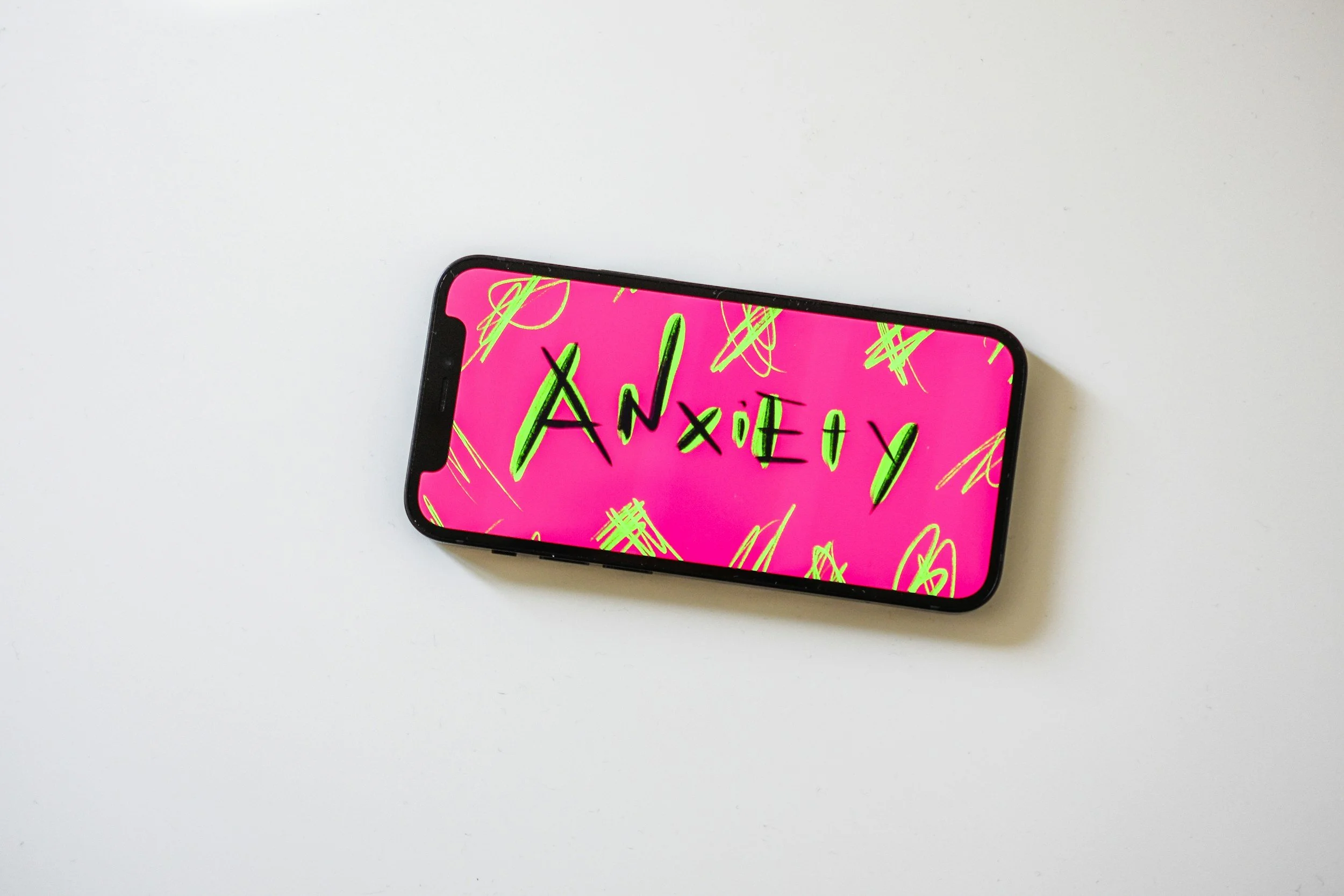
We’ve all been there…overwhelmed by feelings of dread while waiting to be summoned to an important job interview, walking into a classroom to write a final exam, sitting down to complete a project or assignment, or tossing and turning, unable to sleep on the eve of a dreaded social or work event.
Defined as a “mental and physical state of negative expectation,” anxiety is related to fear and dread of negative outcomes of future events. According to the World Health Organization (WHO), anxiety is the number one mental health disorder in the world. The American Psychiatric Association’s 2024 annual mental health poll reports that “43% of adults say they feel more anxious than they did the previous year, up from 37% in 2023 and 32% in 2022.”
Serious anxiety disorders include social anxiety disorder, anxiety related to scrutiny, judgment, and negative evaluations by other people in social settings; generalized anxiety disorder, anxiety associated with excessive rumination about real-life concerns; and panic disorders, intense feelings and physical reactions to dreaded situations or settings. These disorders leave sufferers feeling a loss of control, along with distressing and debilitating physical symptoms.
As a challenging, uncomfortable, or dreaded situation, setting, or event approaches, we catastrophize, imagining our feared worst-case scenarios playing out and causing irreparable harm. As human beings, we’re hard-wired for self-protection. Our built-in negativity bias compels us to pay closer attention to our negative experiences and thoughts than our positive ones as a means of survival.
How anxiety manifests and plays out
Dreaded, challenging, or feared situations, events, and settings are part of the fabric of modern life. We stay present, and write that exam, go through the process of the job interview, or attend the social event if our absence would upset friends and family.
As we enter into a dreaded setting or situation, our fight/flight/freeze/fawn response may trigger an urge to avoid and escape, which is often simply not an option. When we enter such settings, our thoughts can begin to race with imagined catastrophic outcomes. We often experience one or more uncomfortable and distressing physical symptoms, including sweating palms, heart palpitations, increasing muscle tension, and/or shortness of breath. When this happens, we have two clear choices: stay and ride out our anxieties, or remove ourselves from the situation, therefore avoiding whatever is causing discomfort in the moment.
Riding out uncomfortable situations and settings
Staying present and riding out moments of physical and emotional distress involves bringing awareness to and acknowledging our physical symptoms and negative thoughts, and resisting the urge to escape. Aware, alert, and present in the moment, we can take steps to ground ourselves and connect to our inner strengths through our senses. Recent studies show that focusing on one or more pleasant multisensory experiences, including sight, sound, scent, touch, or taste, lowers symptoms of anxiety. Focusing on a calming piece of art, a stunning flower arrangement, or a breathtaking view of nature, feeling the cool surface of a marble tabletop, listening to a calming melody, or focusing on a pleasant aroma can calm negative thoughts and physical symptoms and ground us and help us stay present in the moment.
article continues after advertisement
Through engaging in sensory grounding techniques, we enable ourselves to remain present. As we become present, our negative thoughts and unpleasant physical symptoms become less intrusive and distressing. Soon, we are able to be fully present, and able to perform, interact, and cope in our feared setting.
Avoiding avoidance
The key to managing anxiety is to avoid avoidance, which diminishes our courage, choices, and faith in ourselves. When we choose to sit with, rather than avoid, uncomfortable situations and settings, we create positive memories. These positive memories increase our self-esteem, resilience, and confidence in our skill sets and abilities to handle challenging situations and scenarios.
7 Steps to Help Recognize Anxiety and Ride Out Uncomfortable Emotions
Acknowledge feelings and symptoms of anxiety when they show up.
Bring awareness to your physical symptoms, negative thoughts, and your urge to escape dreaded, challenging, and uncomfortable situations or settings.
Decide to ride out rather than numb, avoid, or retreat.
Identify anticipatory thoughts before and during periods of stress and anxiety.
Challenge negative thoughts and cognitive distortions, and replace them with more accurate and supportive ones.
Take action to reconnect with yourself through your senses. Tune in to a calming sound in your environment. Feel the texture or warmth of a cool surface or soft fabric. Enjoy the taste of a cool, refreshing drink. Take a deep breath and enjoy the aroma of fresh-cut grass or a pleasant perfume.
Hold on to the positive memory of successfully riding out a feared situation or setting. Positive memories of riding out rather than avoiding anxiety-provoking situations will boost your self-confidence and help you make your faith in your skill sets and capabilities bigger than your fear of the unknown.