




You don’t have to be in crisis to reach out to 988. If you are struggling, stressed, or worried about someone you love – don’t wait. Reaching out early can make all the difference. Call, text or chat 988lifeline.org
#YouAreNotAlone #SPM2026 #988Lifeline
10 Ways To Celebrate National Self-Care Awareness Month (September)
Did you know that September is National Self-Care Awareness month? Yes, it's true! This month is dedicated to reminding us all of the importance of taking time for ourselves amidst the chaos of daily life.
In our fast-paced world, it's easy to get caught up in the hustle and forget to take care of the most important person in your life—you. That's why National Self-Care Awareness Month is the perfect reminder to slow down, breathe, and focus on your well-being.
September, a month often associated with new beginnings and transitions, offers the ideal backdrop to reevaluate our self-care routines and make meaningful changes. Whether you're a self-care novice or a seasoned pro, this month is all about recognizing the importance of putting yourself first, so you can show up as your best self in all areas of life.
Join us as we explore tips, practices, and insights to help you make the most of this month dedicated to self-care, self-love, and rejuvenation!
10 Ways To Celebrate National Self-Care Awareness Month
Let these ideas inspire you to prioritize self-care starting this month as we head into the fall and winter seasons.
1. Take a Mental Health Day Off of Work
Your PTO isn't just for vacation and doctor's appointments! You can (and should be!) taking off days for your mental health too.
Mental health days are essential for recharging your mind, reducing stress, and preventing burnout. By taking time off to focus on your well-being, you can return to work feeling refreshed and more productive. It's important to recognize when you need a break and to give yourself permission to take it.
Whether you spend the day indulging in a favorite hobby, spending time in nature, or simply relaxing at home, dedicating time to your mental health is a crucial part of self-care. Remember, taking care of your mind is just as important as taking care of your body. So go ahead, schedule that mental health day—you deserve it!
2. Engage in Creative Activities For Art Therapy
Express yourself through creative outlets like painting, writing, music, or dancing. Creativity can be a powerful way to process emotions and reduce stress. When you engage in creative activities, you give yourself the freedom to explore your feelings and experiences in a non-judgmental space.
This can lead to greater self-awareness and emotional release, helping you to understand and cope with your emotions better. Additionally, the act of creating something can be incredibly fulfilling and provide a sense of accomplishment.
Whether you’re painting a picture, writing a poem, composing a song, or dancing your heart out, these activities allow you to channel your energy into something positive and meaningful. So, pick up that paintbrush, grab your journal, play your favorite instrument, or put on your dancing shoes—let your creativity be a source of joy and healing.
3. Unplug From Technology
Being on our phones and computers all day is actually quite draining! None of us truly needs that much stimulation and input. A good solid weekend of unplugging can help us be more mindful in how our tech use is affecting us.
Taking a break from screens allows our minds to rest and recharge, reducing the mental clutter that constant notifications and updates can create. Without the distractions of emails, social media, and endless browsing, we can reconnect with ourselves and the world around us in a more meaningful way.
Spend this unplugged time engaging in activities that nourish your soul, such as spending time in nature, reading a physical book, or having face-to-face conversations with loved ones. You'll likely find that stepping away from technology not only reduces stress but also enhances your overall well-being, helping you feel more grounded and present in your daily life.
4. Take on a 30 Day Journaling Challenge
If you're like me, you have an on-again, off-again relationship with journaling. It's not always easy for me to commit to journaling, but 30 days should totally be doable, right?
Setting a goal to journal every day for a month can be a manageable and rewarding challenge. By dedicating just a few minutes each day to jotting down your thoughts, feelings, and experiences, you can create a valuable habit that promotes self-reflection and emotional clarity.
To make it even easier, try setting a specific time each day for your journaling practice, whether it's in the morning to set your intentions or at night to reflect on your day. You don't need to write pages and pages; even a few sentences can make a big difference.
Plus, having a tangible record of your month can provide insights into your growth and patterns, making it a meaningful way to celebrate National Self-Care Awareness Month. So grab your favorite notebook and pen, and let's start this 30-day journaling journey together!
5. Physically Clean Your Home or Living Space
One aspect of self-care that's often overlooked is the tidiness and cleanliness of our living spaces. How often do you deep clean? When was the last time you decluttered? A chaotic living environment can make us feel overwhelmed and exhausted.
Taking the time to tidy up and organize our homes can have a profound impact on our mental well-being. A clean and clutter-free space promotes a sense of calm and order, allowing us to relax and focus more effectively. Start small by tackling one room or area at a time, and make it a fun activity by playing your favorite music or setting a timer for short bursts of cleaning.
Not only will this improve the aesthetic of your home, but it will also create a more serene and supportive environment for you to thrive in. Remember, your living space should be a sanctuary that nurtures your well-being, so invest the time in keeping it clean and organized as an essential part of your self-care routine.
6. Seek Professional Help
If your mental health is suffering in any way - whether it be from anxiety, depression, or something else, it's time to seek a professionals help.
Reaching out to a therapist, counselor, or psychiatrist is a crucial step toward healing and finding the support you need. Mental health professionals can provide you with valuable tools and strategies to manage your symptoms and improve your overall well-being. They offer a safe and non-judgmental space to explore your feelings, understand underlying issues, and develop coping mechanisms tailored to your unique needs.
Remember, seeking help is a sign of strength, not weakness. Just as you would see a doctor for a physical ailment, your mental health deserves the same attention and care. Don't hesitate to take that first step toward a healthier, happier you—professional guidance can make all the difference in your journey to mental wellness.
7. Schedule Your Doctor's Appointments
On a similar note, now is also the time to schedule your doctor's appointments if you haven't already! It's easy to put off going to the eye doctor, the dentist, your primary care doctor, the gynecologist, etc. but these "maintenance" appointments are so important for you and your health record!
Regular check-ups and screenings are essential for early detection and prevention of potential health issues. By staying on top of these appointments, you can address any concerns before they become more serious, ensuring you maintain optimal health.
Additionally, these visits provide an opportunity to discuss any changes or symptoms you may have noticed, allowing your healthcare providers to offer personalized advice and care. Prioritizing these routine appointments is a proactive step in your self-care journey, helping you to stay informed and empowered about your health. Take out your calendar, make those appointments, and give yourself the gift of comprehensive health care!
8. Connect With Your Loved Ones
Social connections are vital for mental health, providing support, reducing stress, and fostering a sense of belonging. Whether it’s sharing a meal, going for a walk, or simply chatting over the phone, these interactions can significantly boost your mood and overall well-being.
Strong relationships offer a network of support that helps you navigate life’s challenges and celebrate its joys. Make an effort to connect regularly, even if it’s just for a short visit or a quick call. You might also consider planning special activities or outings that everyone can enjoy, creating lasting memories and strengthening your bonds. Remember, nurturing these relationships is a key aspect of self-care.
By investing time and energy into your social connections, you're not only enhancing your own mental health but also contributing to the happiness and well-being of those you care about.
9. Volunteer or Give Back
Helping others can improve your own mental well-being. Volunteer your time or resources to a cause you care about, which can provide a sense of purpose and fulfillment. When you give back to the community, you create a positive impact that extends beyond yourself, fostering a sense of connection and empathy.
Whether you volunteer at a local shelter, participate in community clean-ups, or donate to a charity, your contributions can make a meaningful difference. Volunteering not only helps those in need but also enhances your own life by building new skills, boosting self-esteem, and expanding your social network.
Aacts of kindness and generosity release endorphins, often referred to as the "helper's high," which can elevate your mood and reduce stress. So, find a cause that resonates with you and get involved—your efforts will not only uplift others but also enrich your own mental health and overall sense of well-being.
10. Educate Yourself and Others About Mental Health
Learn more about mental health issues and share this knowledge with others. Reducing stigma and increasing awareness can create a more supportive community for everyone. Educating yourself about mental health can empower you to recognize signs and symptoms in yourself and others, promoting early intervention and support. Share what you learn with friends, family, and colleagues through conversations, social media posts, or community events. By openly discussing mental health, you help to normalize these conversations and dismantle misconceptions and prejudices that often surround mental health conditions.
You might also consider participating in or organizing mental health awareness activities, such as workshops, seminars, or support groups. These events can provide valuable information and resources to those who need them while fostering a sense of community and understanding.
Encouraging an open dialogue about mental health can lead to a more compassionate and informed society, where everyone feels comfortable seeking help and offering support. Together, we can build a culture that prioritizes mental well-being and ensures that no one has to face their challenges alone.
How Will You Celebrate National Self-Care Awareness Month?
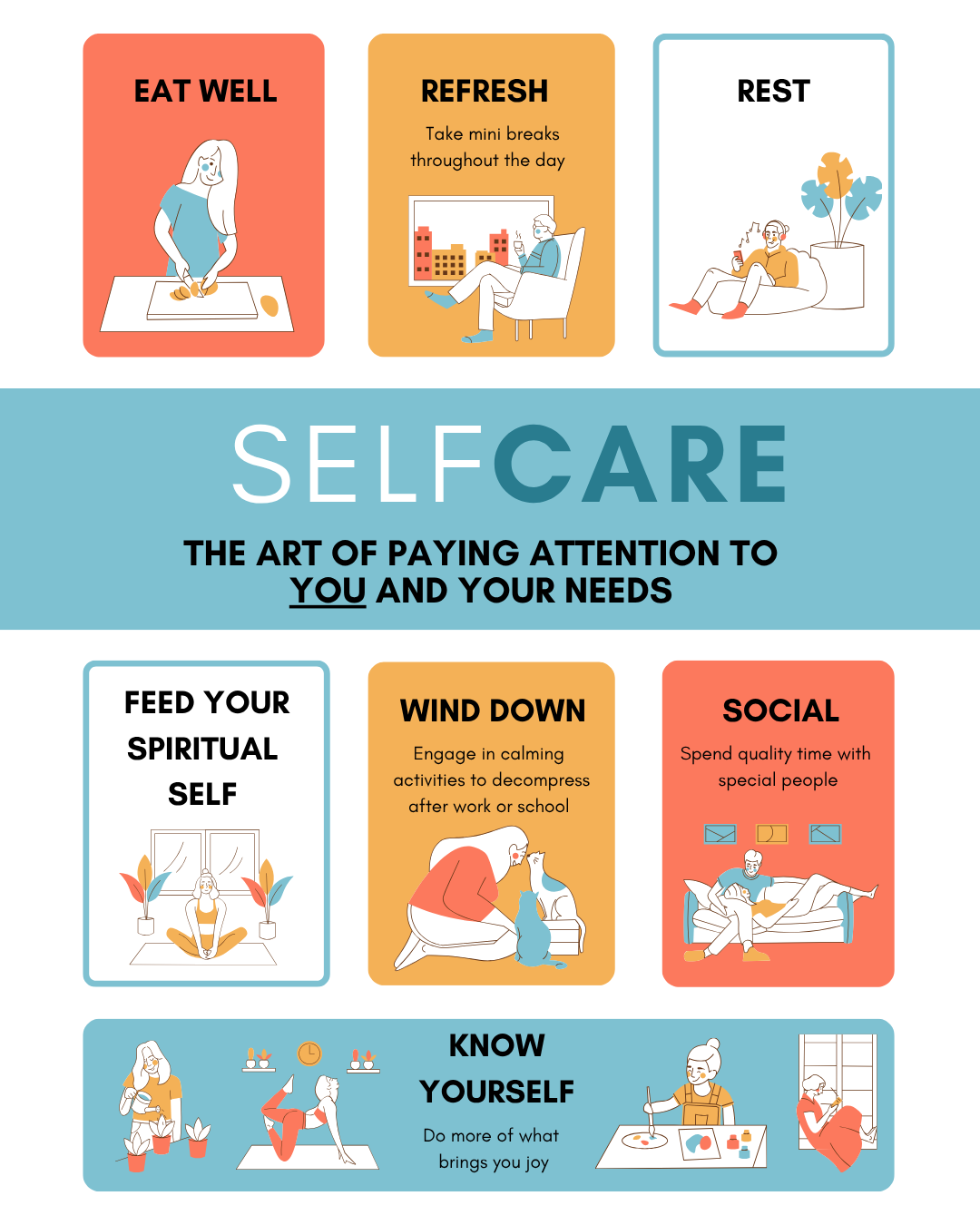
Self-care isn't just about pampering yourself with occasional treats—it's a comprehensive approach to maintaining physical, emotional, and mental well-being. From simple daily practices like mindful breathing and staying hydrated to more indulgent activities like spa days or digital detoxes, self-care comes in many forms.
Embracing this month allows us to reflect on our habits, set new wellness goals, and prioritize activities that nurture our overall health. So, whether you're looking to start a new self-care routine or deepen your existing practices, September is the perfect time to focus on you and celebrate the journey to a healthier, happier life.

Self Care
Suicide Prevention Month
Learn the warning signs of suicide for the people in your life, and for yourself. Changes in mood, sleep, or behavior; withdrawing from others; talking about having no reason to live: samhsa.gov/mental-health/suicidal-behavior/warning-signs
#SPM2026 #SuicidePrevention #SupportMatters
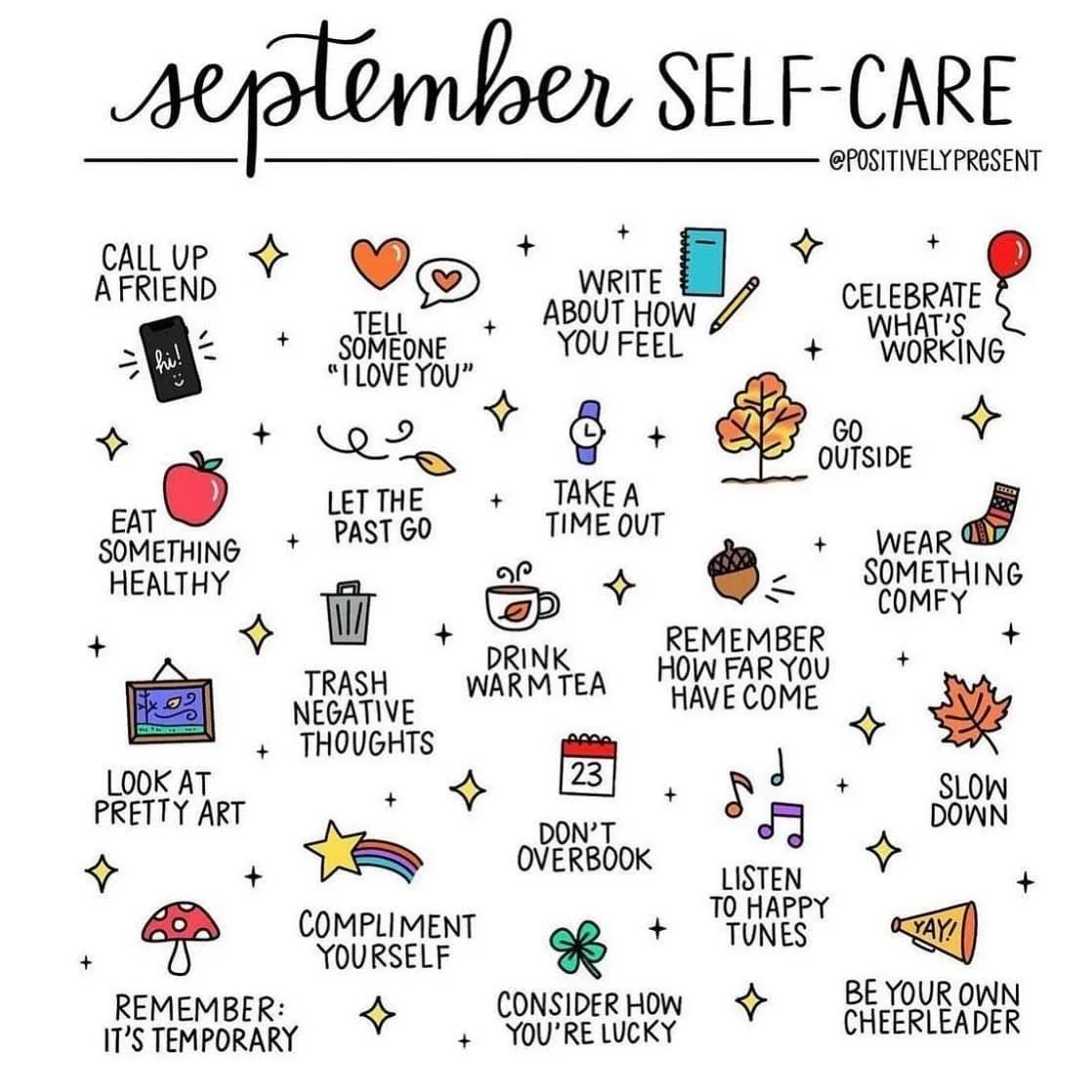
17 Tips to September Love and Gratitude Be receptive to September's Serendipity; embrace love, embrace life.
Be receptive to September's Serendipity; embrace love, embrace life.
Whenever that glorious harvest moon welcomes September, I am reminded of an old movie called Moonstruck. It was about love. However, today September took on a new meaning as I looked at the happy faces of nieces and nephews on their first day of school. And in neighborhoods around Boston, students are unpacking and settling into new apartments.
As I prepare for my own class of incoming freshman, I decided that their journal writing exercise should be on love and gratitude.
“But you might end up with students pouring their hearts out on the love they left behind,” said one colleague. “Maybe a less emotional topic,” she suggested.
In thinking of love and gratitude, I realize that for many people there is a special affinity to art, music, a hobby, a place. My world has many loves—from children and family to my special writing place at the Boston Athenaeum. I walk through the floors of books, paintings, and sculptures and say to myself, "I just love it here." How grateful I am to Serendipity for bringing me into a creative enclave brimming with history and energy.
Nonetheless, I reminded myself of the author of Love, Dr. Leo Buscaglia. Two of his quotes still resonate:
"What love we've given, we'll have forever. What love we fail to give, will be lost for all eternity."
"Love is life. If you miss love, you miss life."
As such, I may ask students to focus on a special person in their lives.
17 tips to embrace love, embrace life with gratitude
1. Begin your day with a thank you. If you are with someone special when you awake in the morning, simply say, “Thank you for being here. I love you.” And if you are alone, look out your window and say, “Thank you, world. I love you.”
2. Remind yourself that gratitude is an attitude, not a feeling. Keep expressing gratitude and you will eventually become more grateful.
3. Write a love note to someone special – the love of your life, parents, children, friends -- to tell them what they mean to you. Then buy a stamp and send it via the US Mail. Here's a simple start: "I am so grateful to you for being in my life. I can think of a million reasons, but here are the top three."
4. Set aside time to give the gift of listening to share with someone special. Make a date if you must, in your own home or at a quiet little place in the neighborhood for coffee or a drink and just listen to one another “think out loud.”
5. Take walks without listening to music. Revel in the neighborhood and express gratitude for wherever it is you happen to be.
6. Breathe in September breezes and take a long walk with someone you love.
7. Go to an outdoor concert and when the music lifts you, thank whomever it is you are with. And if you are with your love, pack on that public display of affection.
8. Send flowers to someone for no reason at all – it is an act that will awaken your spirit of gratitude.
9. Find a picture of yourself smiling happily, frame it or put it up on the refrigerator with a note that says, "I embrace joy.” If you do have a special love, put a picture up of the two of you with a note that says, “I love the joy we share.”
10. Take a jar or basket and fill it with love quotes and gratitude quotes. And if you can’t think of any, Italian Baci come wrapped in silver and each kiss has a love note inside the wrapping.
article continues after advertisement
11. Collect laugh out loud cards to send to friends. When you are feeling blue, these will be a pick me up – especially to friends away at school.
12. Tell someone who has hurt you that you are sorry, even if he or she is at fault. It makes you the bigger and more loving person.
13. Make a decision to bring romance into your life. You will feel healthier because you will sleep better, smile more often, and your joy will be contagious.
14. Appreciate the value of laughter; it is one of the best-kept secrets to lasting love.
15. Memorize the ways that gratitude can bring back your smile on days when love and joy seem to elude you.
16. Learn to train your brain for gratitude. Dr. Loretta Graziano Breuning says that you can create a neural pathway in your brain if you work at it consistently for at least 45 days.
17. Keep your mind free of clutter and anger so when September's Synchronicity greets you, you will be receptive to its gift.
Be grateful for September with it's glorious sunsets, gentle breezes, and the vibrant colors of changing leaves.
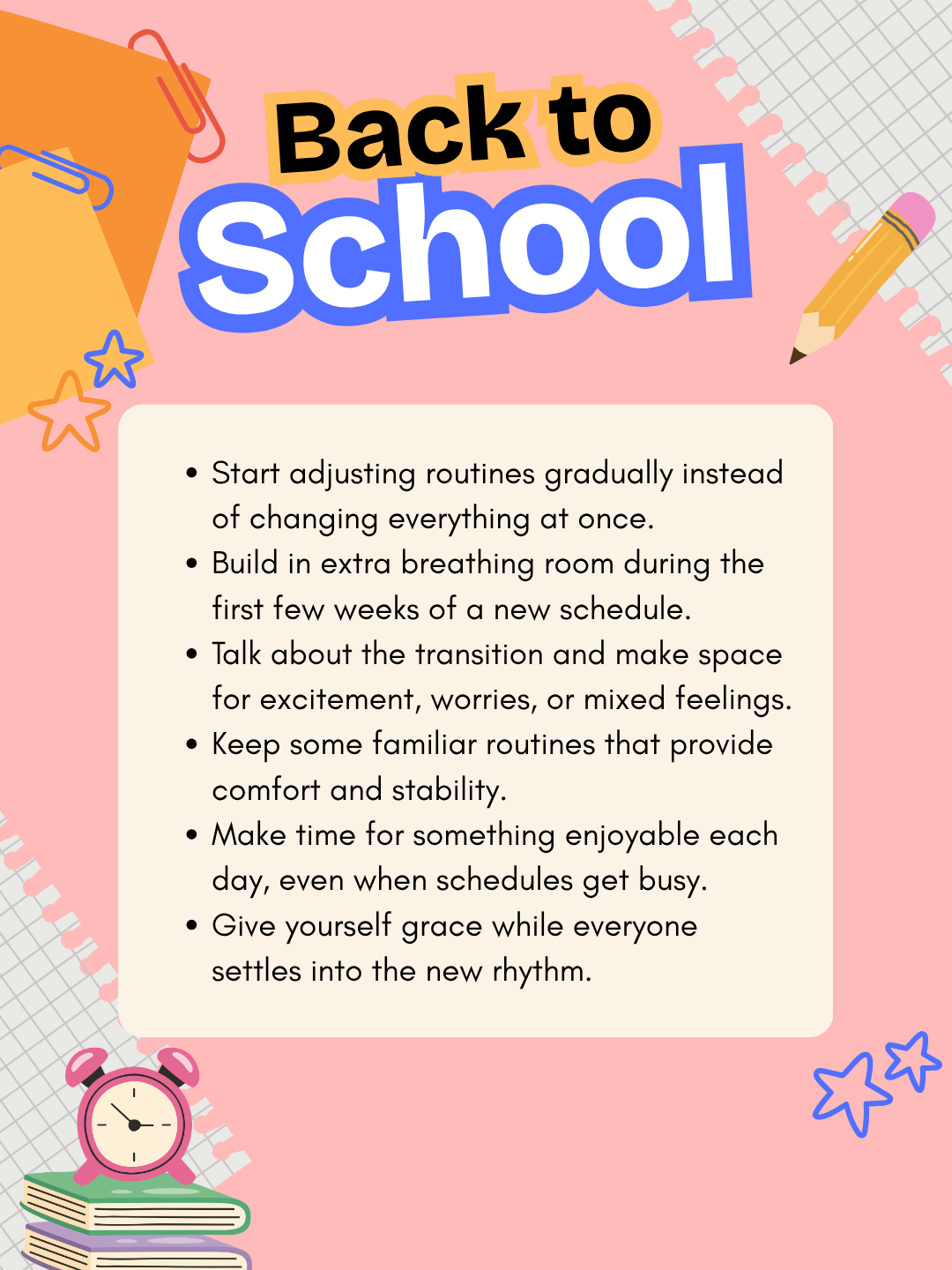
Back to School
Back-to-school transitions can affect adults too, especially parents and caregivers, so give yourself permission to ease into the new routine rather than expecting an instant adjustment.
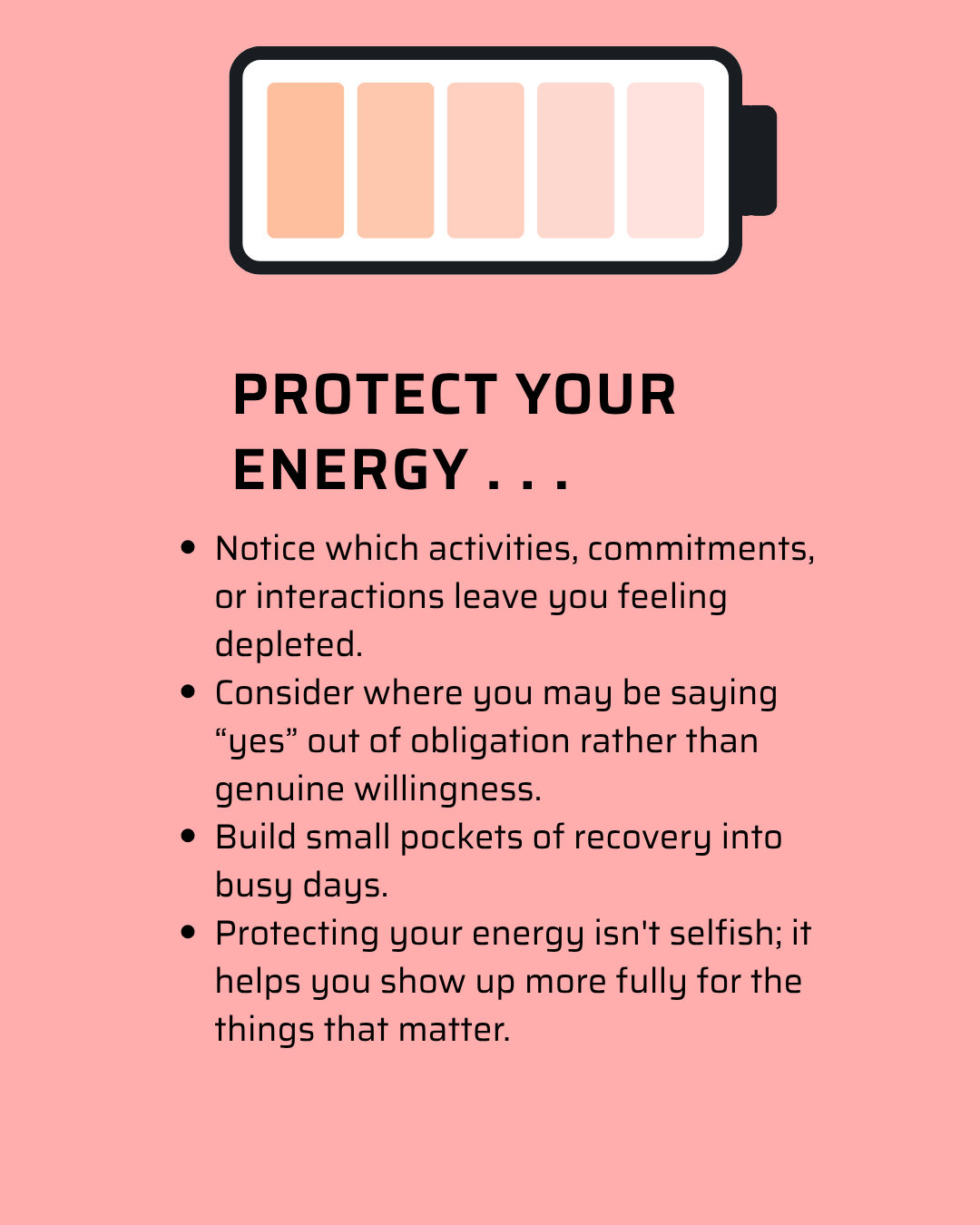
Protect Your Energy
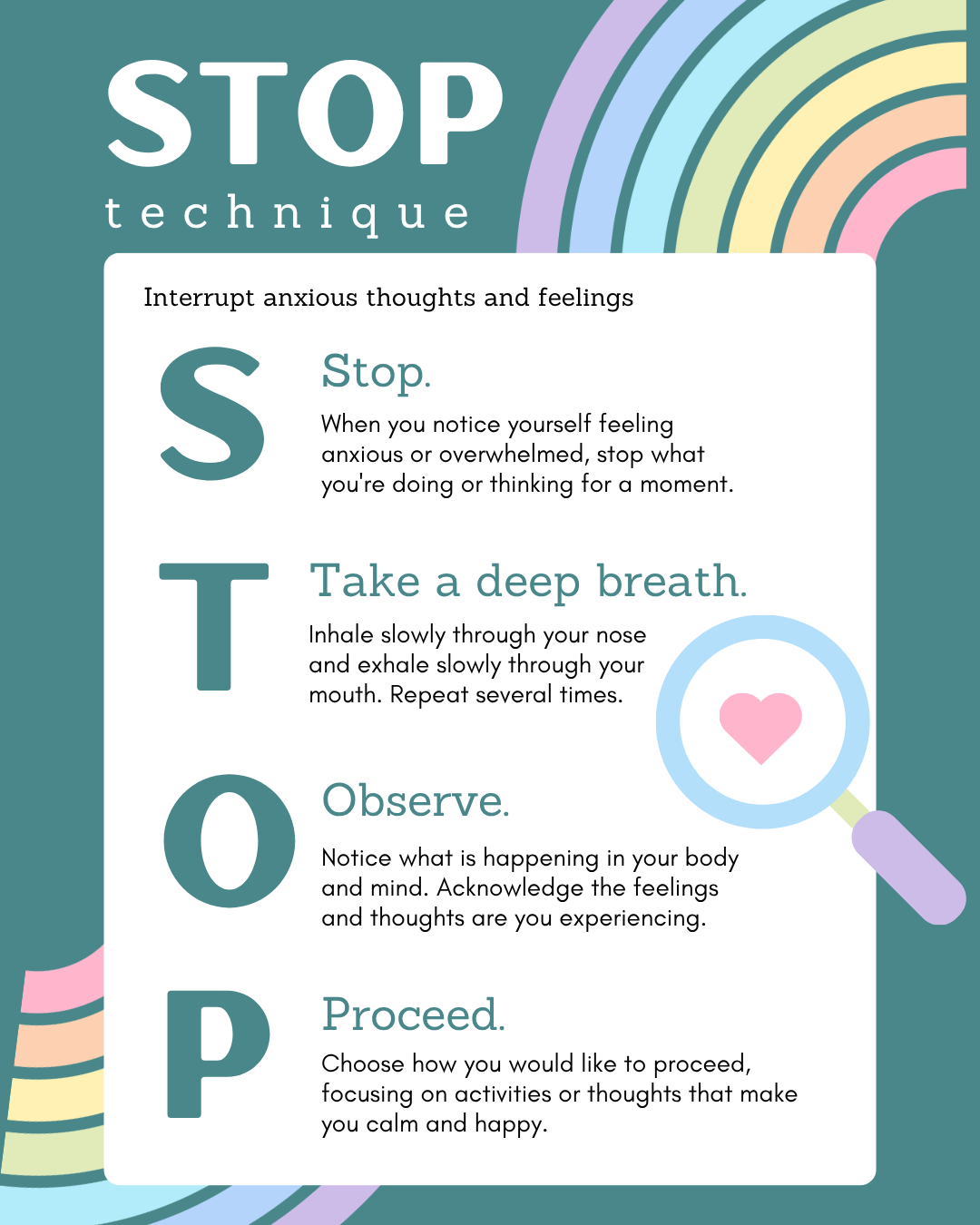
STOP Technique
Feeling overwhelmed or caught in an emotional moment? The STOP technique is a simple mindfulness tool that can help you pause, check in with yourself, and respond more intentionally instead of reacting on autopilot.
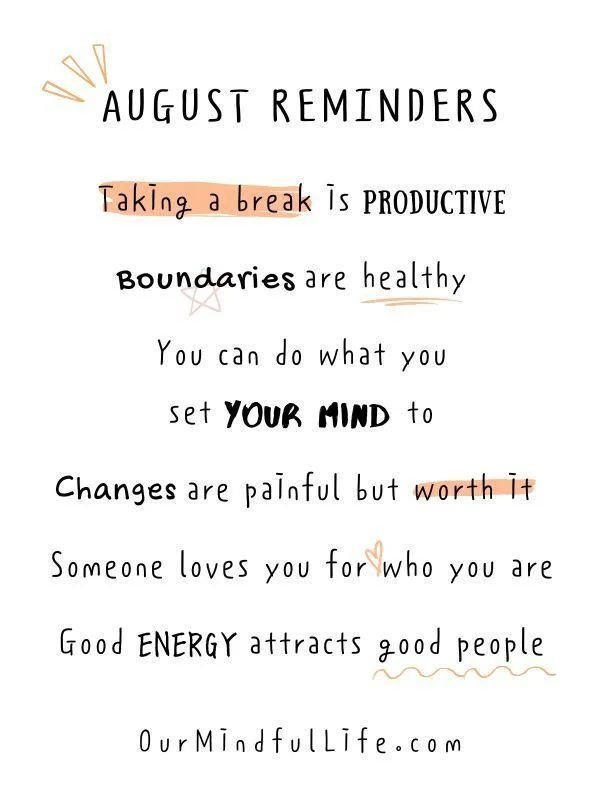
August Reminders


Small Joys Inventory
Take a moment to notice the small things that have brought you joy lately. Whether it’s a favorite song, a good conversation, or a quiet moment, these little bright spots can have a meaningful impact on our mental health.
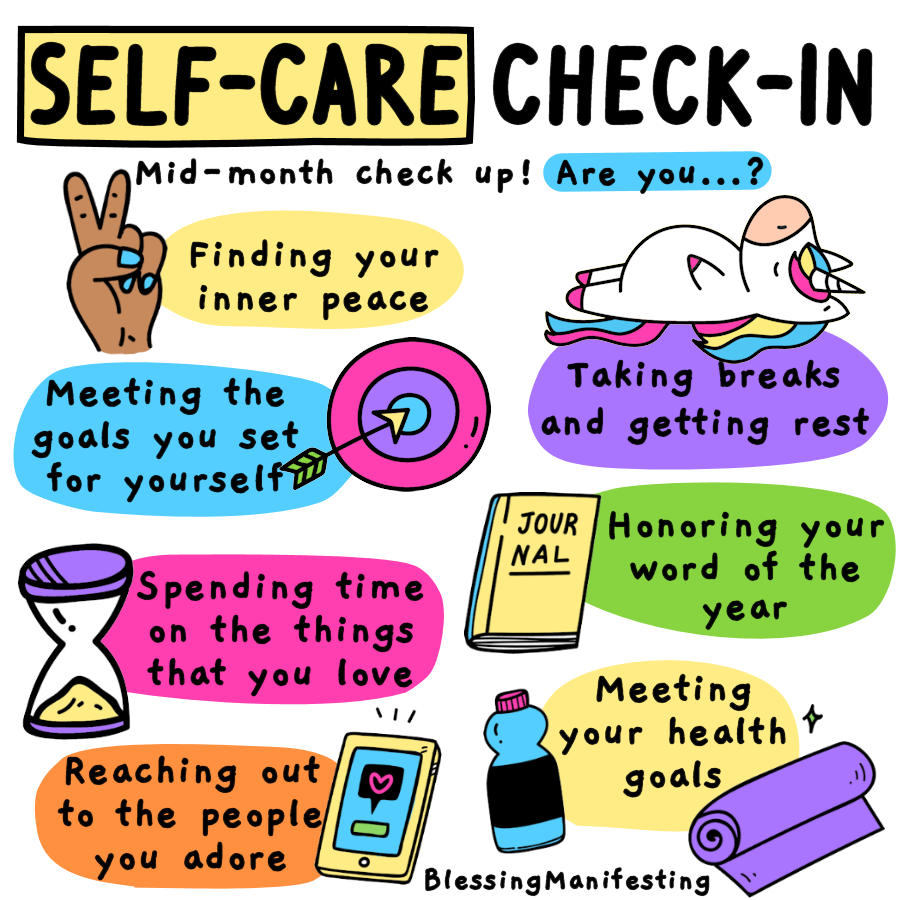
A Gentle Reset for the Second Half of August
You don't need a new month, Monday, or season to make a small change.
Think about what has been working for you and what hasn't.
Choose one small adjustment that could make the rest of August feel a little better.
A reset can be as simple as getting back to a routine, making more time for yourself, or letting go of an unnecessary expectation.


International Day of Friendship
Meaningful friendships can have a powerful impact on our mental health. Feeling seen, supported, and connected can reduce stress, increase resilience, and remind us that we don't have to navigate life's challenges alone. This International Friendship Day, take a moment to celebrate the people who lift you up and consider reaching out to someone who may need that same reminder today.
