



Strengthening Self-Worth Practical tips for increasing your sense of self-worth.
Key points
Low self-worth leads to unhelpful thoughts and behaviors.
You can boost your mood and well-being by taking steps to strengthen your self-worth.
Engage in self-care, do things you enjoy, voice your desires and needs, and challenge self-critical thoughts.
Low self-worth can lead to unhelpful thoughts and behaviors, which can worsen your mood and lower your quality of life. For example, you may constantly criticize yourself, not voice your needs, or tolerate disrespectful behavior from others. You don’t have to feel great about yourself all the time. It is important to make room for all of your thoughts and feelings. However, if you notice your sense of self-worth is consistently low, it may be worthwhile to practice some ways to strengthen your sense of self, as doing so can create more helpful behavior and boost your mood and well-being.
Below are some practical tips for increasing self-worth:
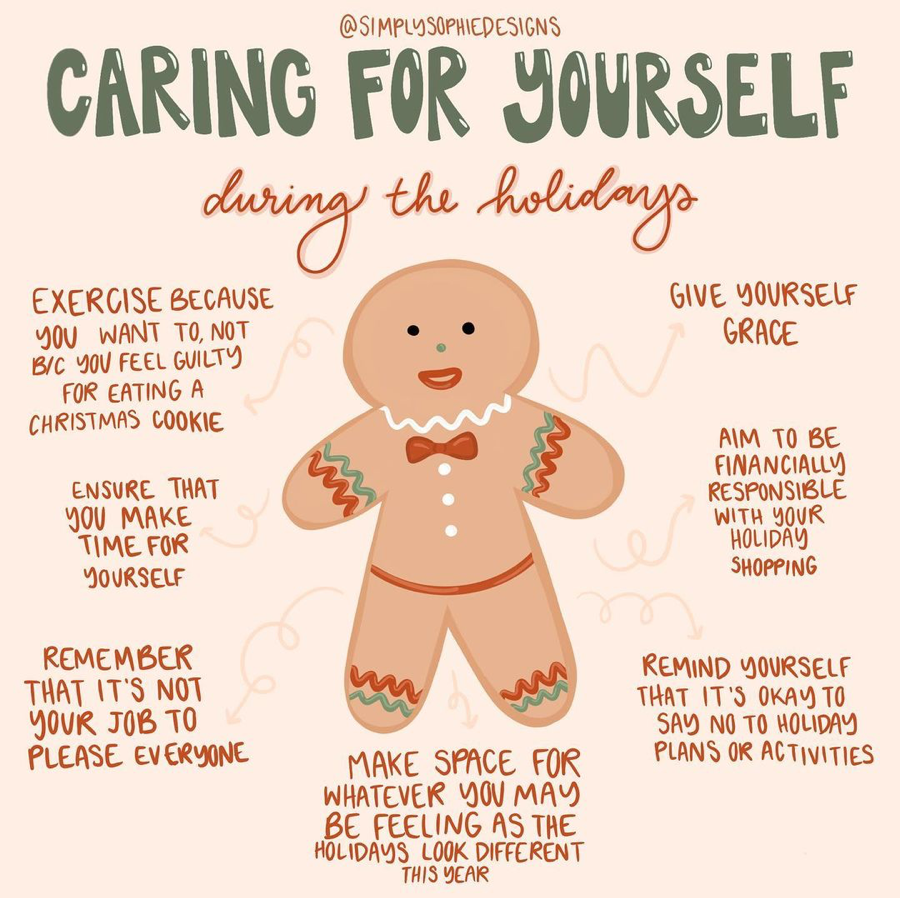
Treat yourself well by engaging in self-care. How you treat yourself influences how you value yourself. Self-care may look like taking time for activities you enjoy, doing something relaxing, spending time with loved ones, getting fresh air, eating regularly, drinking water, sleeping, or wearing clothes that help you feel good.
Write a list of the qualities and attributes about yourself that you admire, value, or are proud of. Add to the list as you think of new ones, and periodically review the list so you can keep these qualities fresh in your mind.
Remind yourself of your core values and preferences. What is most important and meaningful to you in life? Write these down and periodically read your list.
Repeat helpful statements to yourself that support your worth as you are. For example, “I am worthy as I am.” “I have value.” “I am deserving of love and respect.” “I am perfectly imperfect.” “I am wonderfully complex.” “I am kind and caring, and my presence benefits others.”
Do things you enjoy! It is important to take time for things you enjoy. Doing so eases stress, can increase your quality of life, and reminds you that you deserve to enjoy life. What sounds enjoyable to you? If a certain activity is currently out of reach or unrealistic, see if you can start with something smaller and more doable that you still enjoy. For example, watching a movie, eating a favorite food, or playing a fun game.
Spend time with people who are encouraging and supportive, and with whom you feel comfortable being your authentic self.
t accurate? Is there a more balanced way to think about this? What would I say to a close fPractice challenging or mentally distancing from unhelpful thoughts that lower self-esteem and self-confidence. For example, write down one example of an unhelpful self-critical thought each day and ask yourself, “Is this 100 percenriend?” Then write down the alternative thought and repeat it to yourself each time an unhelpful self-critical thought arises.
Set goals. Setting and achieving goals builds confidence. What is a realistic and meaningful action you could take? Start small.
Practice expressing yourself directly and honestly. This can feel vulnerable and takes practice. Direct communication is a way to communicate to yourself that your needs, desires, and values are important. If communicating directly is difficult for you, practice writing out what you want to say and saying it aloud to yourself first.
Acknowledge and celebrate your achievements, big and small. It’s an achievement when you get to the end of a stressful week or take steps toward something important to you. Acknowledge and celebrate these. For example, compliment yourself, take time to relax, or have a favorite food or beverage.
How to Have the Perfect Snow Day
Even if you don't get the day off, a snow day can benefit your mental health.
Key points
Snow days can be a break from your routine.
To make the most of snow days, be intentional about how you spend your time.
Studies link fun snow day activities with mental health benefits.
Source: Pixabay / Pexels
Like much of the country, we had snow days this week in Washington, DC. There is something nostalgic and special about a snow day, especially if you grew up in the northern half of the United States. While I did not have the day off from work, I still did my best to make the day special for my children (and myself). As a psychologist who often sees patients virtually, I had the benefit of hearing from many others who enjoyed their snow days as well. I wanted to share some of their insights, as well as some grounded in science, for your next snow day. My hope is that it helps you to make the most of the opportunity. Here are my recommendations:
Get outside. According to one study in Finland, exposure to a snow-covered landscape decreased negative mood indices, including tension-anxiety and anger-hostility measures.
Play in the snow. Not surprisingly, play is shown to enhance positive emotions, even in adults. One study proposes that play allows us to thrive and make meaningful connections in our lives.
Interact with others. Consistent with the above, connecting with others can build community and is shown to be a protective factor for mental health. On a snow day, there is a sense that we are all “in it together,” so connect with your family and neighbors around the snow.
Help each other out. Whether an elderly neighbor needs a hand shoveling or a run to the store for supplies, a snow day is the perfect time to think of others. Studies show that altruism is not only helpful to others but positive for our mental health as well.
Take lots of pictures. Snow days are memorable as they are happening, but they are also fun to remember years later. Even as an adult, I can remember the nostalgia of playing with friends on a snow day. Pictures will help you to look back on the day with fond memories.
Have a special meal. This is a good day to cook a hearty stew. The smell throughout the day will help to make your home feel even cozier. If you want to add to the ambiance, eat dinner via candlelight.
Stay safe. Most importantly, be sure to stay safe. According to the American Heart Association, shoveling snow can increase the risk of a heart attack, especially for those who are not physically fit or have a heart condition. Falls are also common in the ice and snow, and driving is more dangerous. So, be sure to stay safe while you enjoy your snow day.
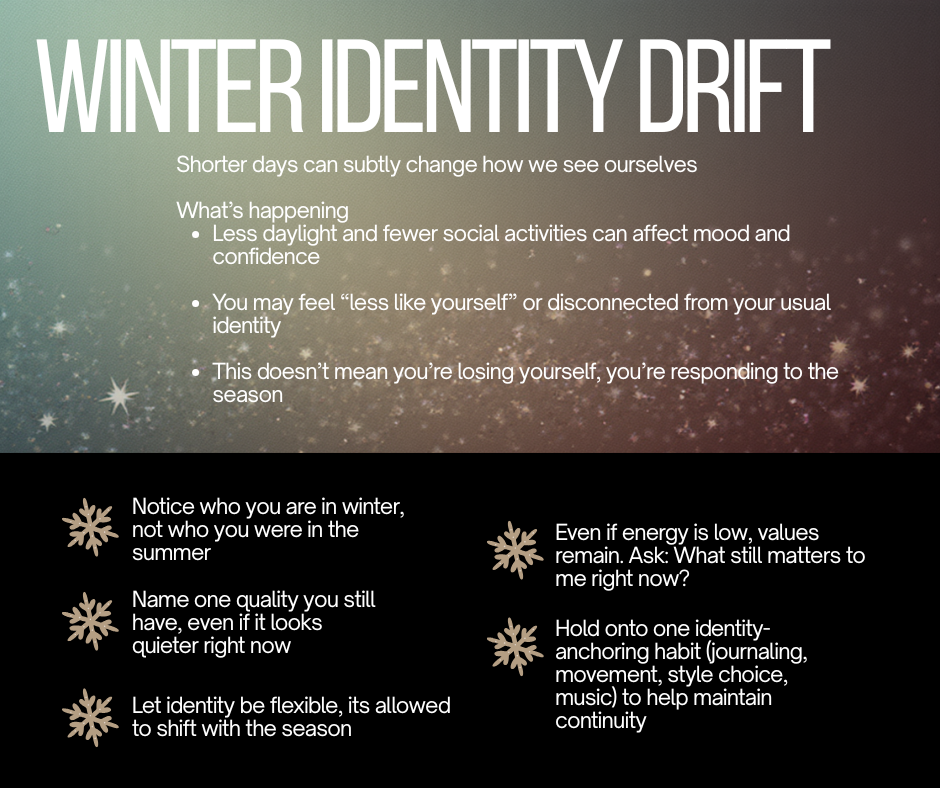
Winter Identity Drift
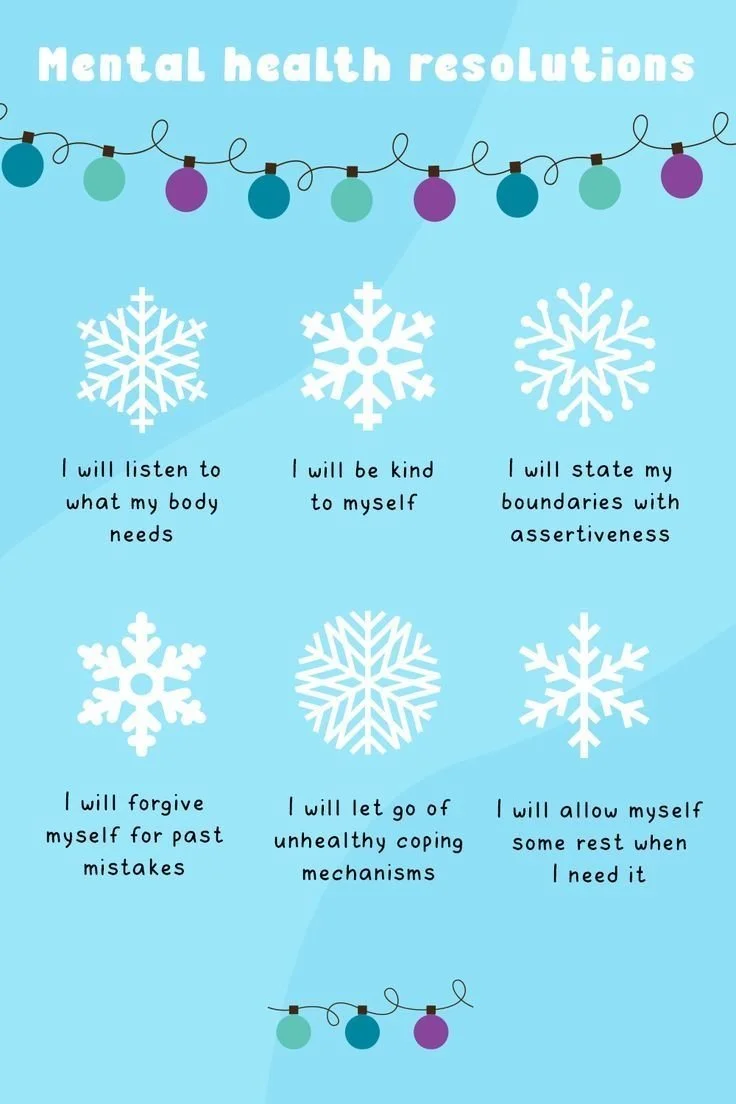
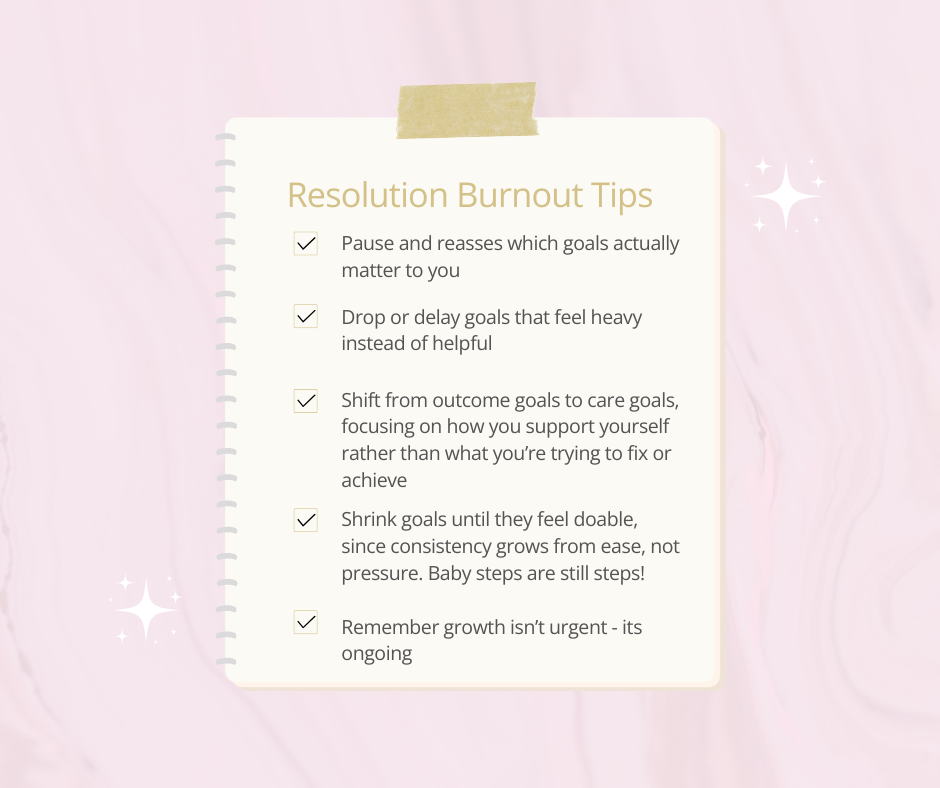
Resolution Burnout
Resolution burnout can happen when the initial excitement of “New Year, New Me” fades — and you’re left feeling overwhelmed or unmotivated instead of energized. Many people set ambitious goals only to see them fizzle out quickly and by the end of January, roughly 40–45% of people have stopped working toward their original goals.
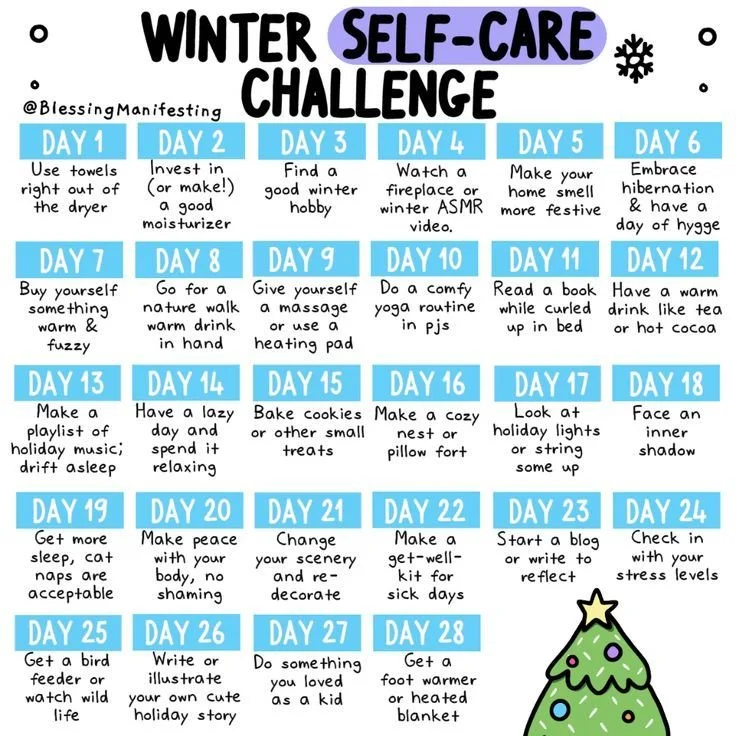
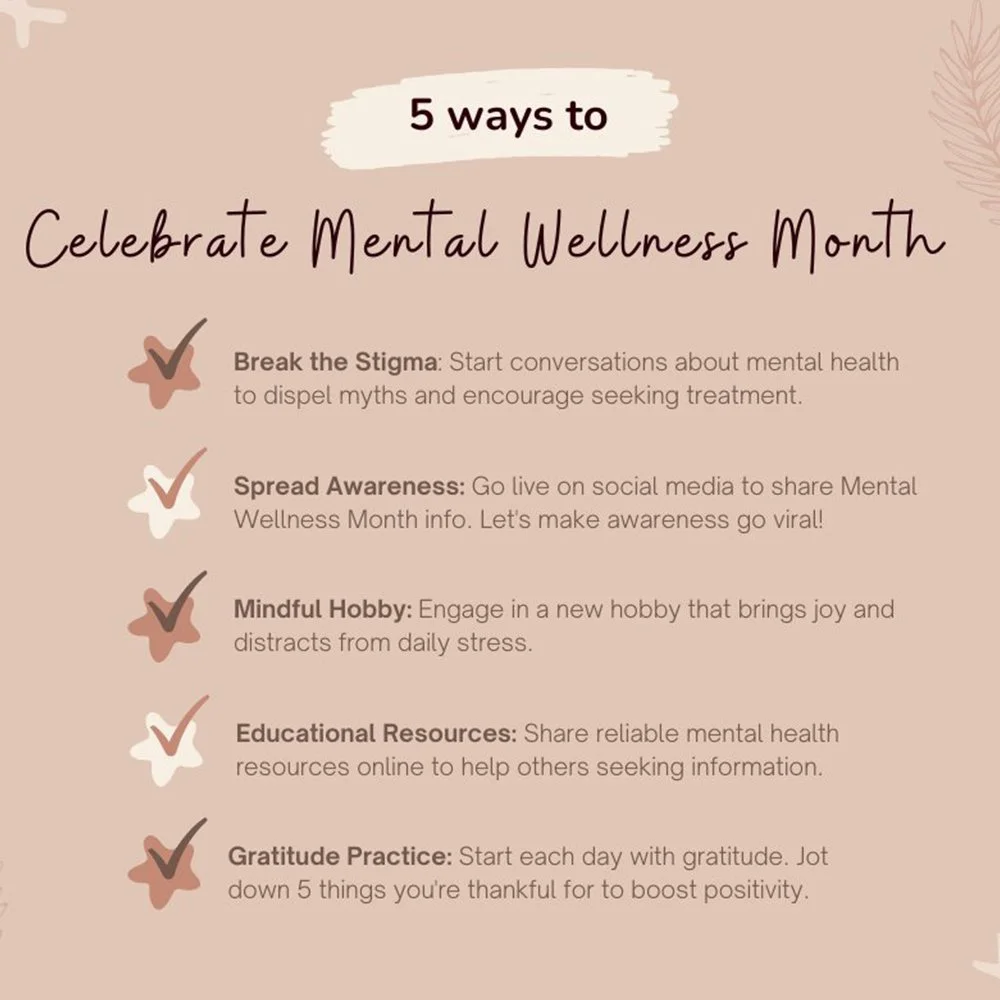
Mental Wellness Month
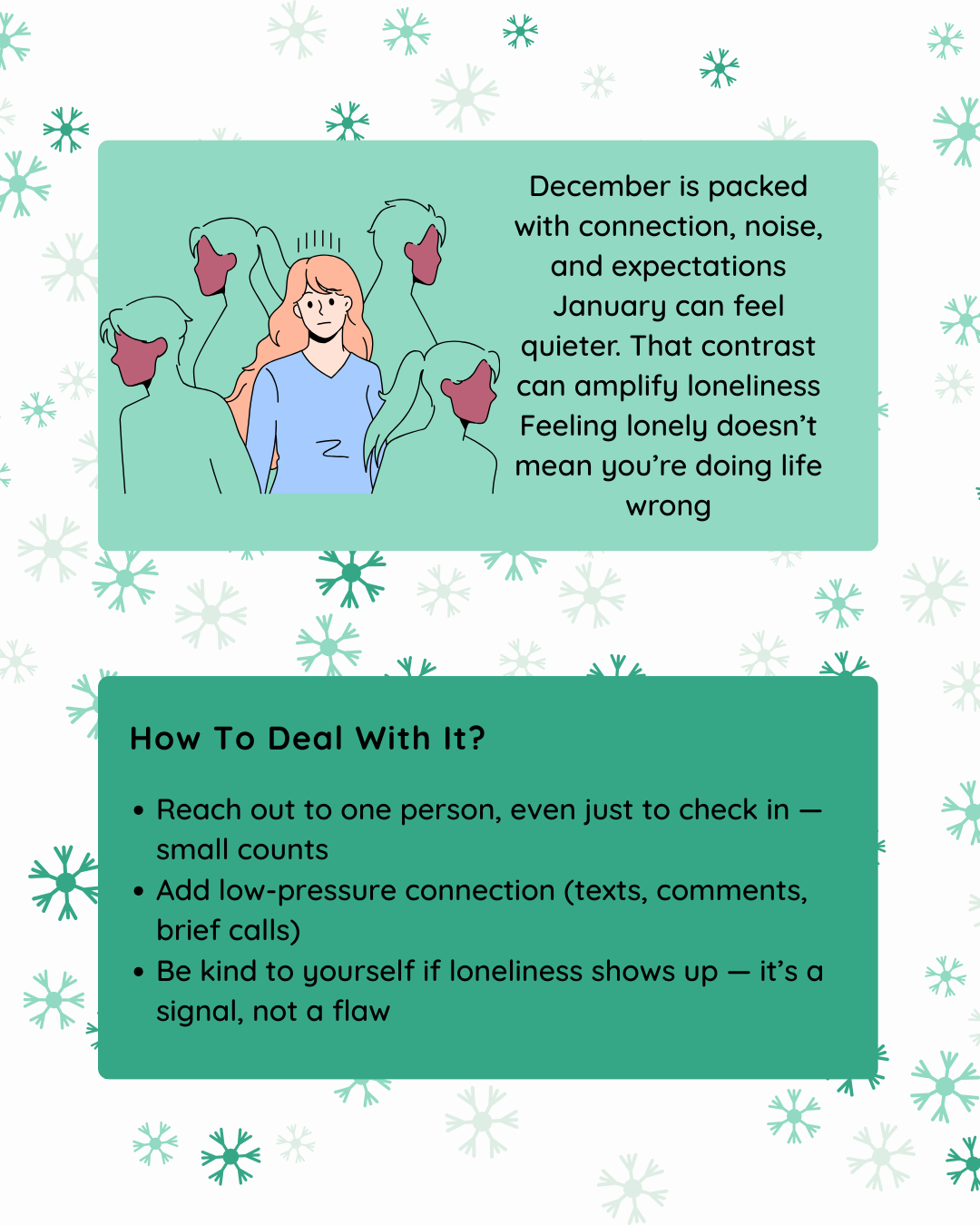
The Loneliness Spike
Been feeling more lonely than usual lately? A lot of people experience a “Loneliness Spike” after the holidays.