Back to School and Mental Health: Supporting Our Children for a Successful Year Ahead

As the heat of the summer reaches its peak, and (hopefully soon) gives way to the cooler autumn breezes, it’s time for children and youth to return to school. This transition — filled with excitement, anticipation, and some natural apprehension — is an annual ritual for millions of students across our nation. As we prepare for the new academic year, it's crucial to remember that school readiness isn't just about having the right supplies, it's also about mental health.

The Substance Abuse and Mental Health Services Administration (SAMHSA) is committed to promoting mental health and preventing substance misuse as a critical part of overall health and wellness. As part of this commitment, we want to equip parents, teachers, and students with resources and tools to foster a mentally healthy return to school.

Mental Health Matters

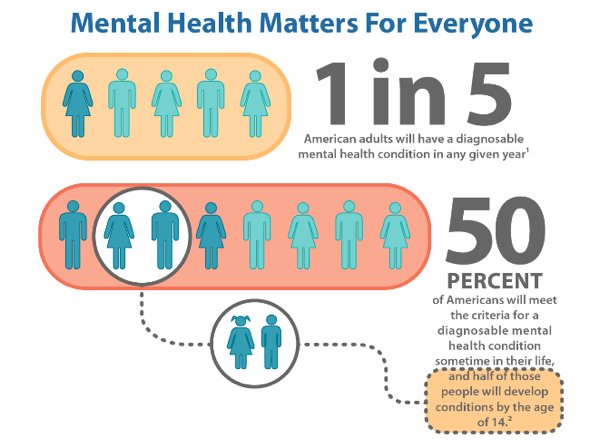
Often unseen and untreated, child and adolescent mental health challenges can significantly impact the ability to learn and develop. One in five children has a diagnosable mental, emotional, or behavioral disorder, yet many of them do not receive the help they need. Research tells us that there is a robust link between students’ mental health and their academic success. Therefore, awareness of mental health and potential for substance misuse should be a core part of every family's back-to-school preparation.

Promoting a Healthy Transition

The return to school can be a stressful time, whether it's a child’s first day of kindergarten, a transition to middle or high school, or just the end of the freedoms of summer. It's normal for children to feel anxious about these changes. Here’s how you can help ease their worries:

  • Communicate: Encourage your child to express their feelings about going back to school. Acknowledge their fears, make them feel understood, and reassure them that it's perfectly normal to feel anxious about these changes.

  • Create Routines: A consistent routine fosters a sense of security in children. Establishing a regular sleep schedule, eating healthy meals, and setting aside time for homework and relaxation can help children adjust to the rhythm of the school year.

  • Make Advance Preparations: If possible, attend any scheduled school orientations. Meeting teachers, locating classrooms, and becoming familiar with the school layout can help students feel more confident on the first day of school. And if there is not a scheduled orientation, make time to visit the school ahead of time to help children familiarize themselves with the environment. It can also be helpful to practice morning routines like getting ready for the bus or identifying routes to school.

  • Encourage In-person Social Interactions: Facilitate interaction with classmates to rekindle old friendships and make new ones. This may be one of the first years of schooling for many children without the COVID-19 pandemic interrupting normal social interactions. Social relationships can make the transition smoother and more enjoyable.

Continuing Support at School: The Role of Educators

Schools are crucial partners in supporting student mental health. Here are some ways educators can help:

  • Spot the signs: Regular training sessions for teachers on how to recognize the signs of mental health concerns in students are vital. Knowledge of how to respond in such situations can ensure that children in need receive the help they deserve.

  • Create safe spaces: Every child deserves a nurturing school environment where they feel safe to explore and express their feelings. Schools can promote this by establishing safe, caring spaces where students feel comfortable reaching out about their mental health without fear of judgement.

  • Integrate mental health into the curriculum: Incorporating mental health education into the curriculum is a powerful strategy to reduce the prejudice and discrimination associated with mental health and substance use conditions. This promotes understanding and empathy, fostering a supportive environment for all students.

Resources: Partners in Promoting Mental Health and Preventing Substance Use

The Department of Health and Human Services offers a wealth of resources for parents, teachers, and students alike:

  • Parenting and Caregiver and Youth Mental Health Resources — a collection of resources on parenting and addressing mental health needs of young people.

  • Child and Adolescent Mental Health Concerns: Signs and Symptoms — a comprehensive guide for symptoms of mental health and substance use disorders in children and youth.

  • Back to School Resources for Success — a collection of resources for children, parents, and educators on ensuring a safe return to school by caring for both body and mind.

  • "Talk. They Hear You."® Campaign — a national youth substance use prevention campaign that helps parents and caregivers, educators, and community members.

  • Early Childhood Mental Health Programs — as a part of its mission to reduce the impact of substance use and mental illness on our communities, SAMHSA funds programs that promote and support the health and wellness of young children and their families.

  • StopBullying.Gov — parents, school staff, and other adults in the community can help kids prevent bullying by talking about it, building a safe school environment, and creating a community-wide bullying prevention strategy.

  • SchoolSafety.Gov — provides schools and districts with actionable recommendations to create a safe and supportive learning environment where students can thrive and grow.

  • SAMHSA’s National Helpline1-800-662-HELP (4357) is a confidential, free, 24/7, 365-day-a-year information service, in English and Spanish, for individuals and family members facing mental and/or substance use disorders.

  • FindSupport.gov — a user-friendly website, designed for the general public, to help people identify available resources, explore unbiased information about various treatment options, and learn how to reach out to get the support they need for issues related to mental health, drugs, or alcohol.

  • 988 Suicide & Crisis Lifeline — If you or someone you know needs support now, you can contact the 988 Suicide and Crisis Lifeline. Simply call or text 988 or chat 988lifeline.org.

As we approach the new school year, let’s make ‘Caring for Every Child’s Mental Health’ a priority. Every child deserves to have a successful academic year, and by equipping young people with mental health support, we are setting them up for a healthier and brighter future. This year let's commit to making the back-to-school transition about physical and academic readiness and about mental preparedness. Together, we can help build and support resilient young minds and allow every child to thrive, enjoy academic success, and reach their full potential.

3 ways getting outside into nature helps improve your health

Need an excuse to get out of the house? Research continues to demonstrate that being outside and experiencing nature can improve our mental health and increase our ability to focus.

Many of us are in front of a screen for much of our day — whether that be a computer, TV, or smartphone. As a result, we spend less time outside experiencing the natural world. Here are some reasons why we all can benefit from taking a nature break.

1. Nature can help us improve our thinking, reasoning, and other mental abilities

When we're in urban environments or the office all day, we can experience sensory overload, resulting in tension and mental fatigue. Studies have shown that our minds and bodies relax in a natural setting. This increases feelings of pleasure and can help us concentrate and focus more effectively, according to studies in the National Library of Medicine.

Being outdoors can also have relaxing effects on our minds. Nature can provide a mental break by allowing us to temporarily escape the demands of everyday life. It can also boost your creativity and problem-solving abilities.

For example, if you're having a mental block writing a paper or can't seem to solve a problem at work, step outside for a breath of fresh air. Take an easy walk around your neighborhood or office. You just might find the answers you were looking for.

2. Nature can improve physical wellness

Getting out into nature can lead us to want to walk, bike, hike, or kayak more often. People typically engage in regular physical activity when they're in nature. So, stepping outside can help you keep a healthy weight or even lose weight by increasing activity levels.

Studies also show that being in nature has a positive effect on our bodies by reducing cortisol levels, muscle tension, and demands on our cardiovascular systems (lowers heart rate and blood pressure). Being out in nature often may lead to lower rates of heart disease. The great outdoors can also help you increase your vitamin D level, which is important for your bones, blood cells, and immune system.

3. Being outside can improve your mental health

Nature can help decrease your anxiety levels and can help lessen stress and feelings of anger. Exercise can also help this, but it's even better when you're outside.

Regular access to green spaces has been linked to lower risks of depression and improved concentration and attention. Being outside allows us to be social and come together with family, friends, or even people you don't know while on a hiking trail, for example.

Additionally, you may find that you sleep better when you are regularly outside. Daily exposure to natural light helps regulate sleep/wake cycles. By making sure that you get outside in sunlight every day, you can improve your ability to sleep at night.

Nature can also have benefits for children. One study in Denmark examined 900,000 residents born between 1985 and 2003. They found that children who lived in neighborhoods with more green space had a reduced risk of mental disorders later in life.

Other benefits to being in nature

There are some positive health impacts related to getting outdoors. You can learn more about these in the research summary from the U.S. Department of Agriculture. They include the following:

  • People who live near parks and green space have less mental distress, are more physically active, and have longer life spans.

  • Exposure to nature may decrease death from chronic disease.

  • When people exercise outdoors in nature, they do so for longer periods of time and at greater intensities.

  • Positive health effects are enhanced when green space includes water.

Simple outdoor exercises if you're short on time

If you have a busy schedule and don't have much time to get outside, these may help you get a quick nature fix:

  • 5 minutes: Stand outside with the sun on your face or take off your shoes to feel the grass in between your toes. If the weather isn't great, take a few minutes to gaze out a window at the scenery outside.

  • 25 minutes: Go out for a stroll and take some deep breaths. You could even eat your lunch outside or take a phone call or meeting outdoors.

Other fun ideas to experience nature

  • Plan a picnic with friends or family. Find a park or green space to enjoy a meal and maybe take a frisbee or soccer ball.

  • Rent a kayak or canoe on a nearby waterway.

  • Find a hiking trail you've never been to.

  • Dust off your bicycle and go for an easy ride around the neighborhood.

  • Take your dog for a walk to a nearby park — they'll enjoy it just as much as you will.

  • Grab a book and find a shady tree to sit under.

  • Plant a vegetable or flower garden in your yard or on your patio.

  • Take up golfing with a friend or family member.

  • Meet up with a neighbor or friend to walk daily or weekly.

  • Go bird watching at a nearby state park or wildlife habitat.

Sleep 101: Why Sleep Is So Important to Your Health

Sleep 101: Why Sleep Is So Important to Your Health

Erica Jansen

March 2, 2020

WHAT IS SLEEP EXACTLY, AND HOW DOES IT HELP US STAY HEALTHY?

Sleep is an altered state of consciousness where we have limited interactions with our surroundings and are relatively quiet and still (depending on the stage of sleep). Contrary to our quiet physical state, the brain is very active during sleep, carrying out many important functions. Sleep is essential to every process in the body, affecting our physical and mental functioning the next day, our ability to fight disease and develop immunity, and our metabolism and chronic disease risk. Sleep is truly interdisciplinary because it touches every aspect of health.

Sleep is essential to every process in the body, affecting our physical and mental functioning the next day, our ability to fight disease and develop immunity, and our metabolism and chronic disease risk.

HOW DOES WHAT WE EAT IMPACT OUR SLEEP?

It is well-known that certain substances, such as caffeine, can affect the onset of sleep in a negative way. On the other hand, evidence is growing that shows how other foods like tart cherries, kiwi, fatty fish (like salmon and tuna), and malted milk may have beneficial effects on sleep. More recently, studies have shown that healthy dietary patterns overall—not just specific foods—could be associated with longer sleep duration and shorter time to fall asleep.

WHY IS SLEEP SO IMPORTANT FOR YOUNG CHILDREN, AND WHAT ARE SOME OF THE COMMON NEGATIVE EFFECTS OF POOR SLEEP?

Sleep is important for every part of the body, and it is especially important for young children as their bodies and minds develop. In young children, lack of sleep or poor quality sleep can be associated with difficult behaviors, lower capacity to learn and retain information, and a propensity for poor eating patterns and weight gain.

WHAT SLEEP NEEDS DO ADOLESCENTS HAVE, AND WHAT DOES THIS MEAN FOR THE CURRENT CONVERSATIONS WE'RE HAVING AROUND SCHOOL-DAY START TIMES?

Adolescents need around 8-10 hours of sleep per night, but a high proportion do not get that amount. For example, recent estimates suggest that 60 percent of middle schoolers and 70 percent of high schoolers don’t get adequate sleep on school nights. This figure is even higher for Michigan high schoolers, which is at 80 percent. One of the main reasons adolescents are so sleep-deprived is that biological changes in their brain affect when they feel sleepy. So even if they are sleep-deprived, they often can’t go to bed early because their brain is not yet prepared to sleep.

In school districts that have enacted later school start times, research is consistently showing that students get more sleep and as a result have fewer motor vehicle accidents, better grades, and improved mental health.

The problem with these delayed bedtimes is that school or before-school activities often start very early, so adolescents may end up chronically sleep deprived. In school districts that have enacted later school start times, research is consistently showing that students get more sleep and as a result have fewer motor vehicle accidents, better grades, and improved mental health.

EVERY SPRING AND FALL WE CHANGE OUR CLOCKS BY AN HOUR. WHAT HEALTH IMPACTS DOES THIS CHANGE HAVE ON INDIVIDUALS AND ON THE PUBLIC’S HEALTH?

There are many calls from the sleep-research community to eliminate daylight savings time. When our clocks are pushed forward, people lose one hour of sleep. This one-hour sleep loss is associated with significantly more motor vehicle accidents as well as cardiac events. When our clocks move backward, we might think that extra hour helps us. But our sleep patterns are disrupted by any change like this, so the fall time change may also lead to negative health impacts. In general, these universal time changes create a significant and negative burden on the public’s health.

HOW IMPORTANT IS SLEEP FOR OUR MENTAL HEALTH?

Sleep and mental health go hand-in-hand. Good sleep is essential for maintaining our baseline mental health, as one night of sleep deprivation can dramatically affect mood the next day. Chronic exposure to poor sleep quality is associated with depression, anxiety, and other conditions. There are also bidirectional associations—meaning that experiencing anxiety and depression very often affects sleep, which then impacts our ability to cope with the anxiety and depression, and so on.

HOW DOES ALCOHOL IMPACT SLEEP?

Although alcohol may help a person fall asleep quickly, it hinders sleep quality, often causing fragmented (interrupted) sleep. When consuming alcohol, it is recommended to do so several hours before bedtime so that the alcohol is completely out of the system before sleep.

DOES SCREEN TIME REALLY AFFECT OUR SLEEP?

There is evidence to show that screen use right before bed could impact sleep. One reason is that the blue light emitted from these devices can affect the secretion of melatonin, the hormone that helps signal to the body that it is time to fall asleep. Other reasons include the content of what is on the screen. If you watch a scary movie, read an emotionally-driven article, or consume any other anxiety-producing content on your screen, it can affect your ability to fall asleep. Sleep clinicians recommend putting away all screens at least one hour before bed and to instead do some light reading or other relaxing activity.

Dialectical Behavior Therapy (DBT): What It Is & Purpose

Dialectical Behavior Therapy (DBT)

Dialectical behavior therapy (DBT) is a type of talk therapy for people who experience emotions very intensely. It’s a common therapy for people with borderline personality disorder, but therapists provide it for other mental health conditions as well.

Overview

What is dialectical behavior therapy (DBT)?

Dialectical behavior therapy (DBT) is a type of talk therapy (psychotherapy). It’s based on cognitive behavioral therapy (CBT), but it’s specially adapted for people who experience emotions very intensely.

Cognitive behavioral therapy (CBT) is a type of talk therapy that helps people understand how thoughts affect emotions and behaviors.

“Dialectical” means combining opposite ideas. DBT focuses on helping people accept the reality of their lives and their behaviors, as well as helping them learn to change their lives, including their unhelpful behaviors.

Dialectical behavior therapy was developed in the 1970s by Marsha Linehan, an American psychologist.

What is dialectical behavior therapy (DBT) used for?

Dialectical behavior therapy (DBT) is especially effective for people who have difficulty managing and regulating their emotions.

DBT has proven to be effective for treating and managing a wide range of mental health conditions, including:

It’s important to note that the reason DBT has proved effective for treating these conditions is that each of these conditions is thought to be associated with issues that result from unhealthy or problematic efforts to control intense, negative emotions. Rather than depending on efforts that cause problems for the person, DBT helps people learn healthier ways to cope.

How do I find a DBT therapist?

A therapist can be a psychiatrist (a medical doctor who can prescribe medications), psychiatric nurse, psychologist, social worker or family therapist.

Finding the right therapist is often a time-consuming task, and DBT therapy isn’t any different. Try not to become discouraged. Talk to people you trust to give you a referral for a therapist who uses dialectical behavior therapy, whether it’s your primary healthcare provider or a friend or family member.

You can also search for therapists online through local and state psychological associations.

Be sure that any therapist you’re interested in seeing is a state-certified and licensed mental health professional and that they treat your area of concern (for example, eating disorders, borderline personality disorder, self-harm, etc.).

Most therapists’ websites list the conditions and problems they treat. If you have questions, call or email the therapist’s office before you choose.

It may be helpful to ask a potential DBT therapist the following questions:

  • What is the nature of your training in DBT?

  • Do you provide comprehensive DBT or a modification? If not comprehensive DBT, why not?

  • Do you belong to a DBT consultation team?

  • What’s your policy on phone calls and emails during the week?

  • How much time will you initially ask me to commit to for the entire therapy process?

Procedure Details

How does dialectical behavior therapy (DBT) work?

The main goal of therapists who use dialectical behavior therapy (DBT) is to strike a balance between validation (acceptance) of who you are and your challenges and the benefits of change. Your therapist will help you learn new skills to improve emotion regulation.

The structure of dialectical behavior therapy can vary some from therapist to therapist, but, in general, DBT involves these four types of sessions:

  • DBT pre-assessment.

  • Individual therapy.

  • Skills training in groups.

  • Telephone crisis coaching.

DBT pre-assessment

Your therapist may offer an assessment before starting DBT. They’ll determine how suitable DBT is for you by asking you questions and explaining how DBT works. If you decide that DBT is the right therapy for you, they’ll ask you to commit to the treatment and the length of treatment.

Individual DBT therapy

Individual DBT therapy involves weekly sessions with your therapist. Each session lasts about 40 minutes to 60 minutes.

Individual DBT therapy sessions have the following goals:

  • To help keep you safe by reducing suicidal and self-harming behaviors, if applicable.

  • To limit behaviors that get in the way of productive therapy.

  • To help you reach your goals and improve your quality of life by addressing what’s blocking your progress, such as mental health conditions or relationship issues.

  • To help you learn new skills to replace unhelpful behaviors.

Your therapist will likely ask you to keep a diary to track your emotions and actions and to look for patterns of behavior. You’ll bring this diary with you to your sessions so you and your therapist can decide what to work on for each session.

DBT skills training in groups

In these sessions, your therapist will teach you skills in a group setting. This isn’t to be confused with group therapy, in which you discuss your problems with others. Think of it more like a teaching and learning session in a classroom setting.

DBT skills aim to help enhance your capabilities in day-to-day life. The four skills your therapist will teach include:

  • Mindfulness: This is the practice of being fully aware and focused in the present instead of worrying about the past or future.

  • Distress tolerance: This involves understanding and managing your emotions in difficult or stressful situations without responding with harmful behaviors.

  • Interpersonal effectiveness: This means understanding how to ask for what you want and need and setting boundaries while maintaining respect for yourself and others.

  • Emotion regulation: This means understanding, being more aware of and having more control over your emotions.

Telephone crisis coaching

DBT often involves telephone crisis coaching to support you in your daily life. This means you can call your therapist at certain times for support between sessions.

Examples of when you may need to call your therapist include:

  • When you need help with an immediate crisis, such as wanting to self-harm.

  • When you’re trying to use the DBT skills you learned but want some advice on how to do it.

However, your therapist will set clear boundaries about when you can call them, such as during an agreed-upon range of time during the day.

Crisis coaching functions on an as-needed basis. The calls are usually brief, and they shouldn’t replace the work of individual or group sessions.

Risks / Benefits

What are the benefits and risks of dialectical behavior therapy (DBT)?

Dialectical behavior therapy (DBT) has been proven to help people with their mental health conditions in several studies. For people with borderline personality disorder, in particular, DBT results in:

  • Less self-harm behavior and anger.

  • Fewer days of inpatient hospitalization.

  • Less drug and alcohol misuse.

  • Improved depressive symptoms.

However, DBT isn’t for everyone, and it can be very difficult. DBT is more likely to work for you if you:

  • Are committed to making positive changes.

  • Are ready to fully commit to therapy and do homework assignments.

  • Are ready to focus mostly on your present and future, rather than your past.

  • Feel able to do some sessions in a group with others.

Recovery and Outlook

How long will I need dialectical behavior therapy?

Dialectical behavior therapy (DBT) usually takes at least six months to a year. However, each person is unique, and mental health conditions are complex. You shouldn’t expect to be completely free of symptoms or no longer have problematic behaviors after one year of DBT.

Many therapists believe that the treatment for borderline personality disorder, in particular, can often take several years.

Try not to get discouraged by how long it may take to be able to better manage your emotions and have a better quality of life. The important thing is that you’re seeking help. Any progress is good progress.

When to Call the Doctor

When should I see my healthcare provider or therapist while doing DBT?

It’s important to go to all of your scheduled individual DBT therapy sessions and group skill training sessions.

If you’re experiencing a crisis, such as feeling suicidal, and can call your therapist, do so.

If your therapist is unavailable, call the Suicide and Crisis Lifeline at 988. Someone will be available to talk with you 24 hours a day, seven days a week. You can also call 911 or go to the nearest emergency room.

A note from Cleveland Clinic

Dialectical behavior therapy (DBT) is an effective treatment to help people who experience very intense, negative emotions. Although it may be difficult and time-consuming to find the right DBT therapist for you, it’s important to keep trying. The sooner you can start therapy — and stay committed to it — the sooner you’ll have an improved quality of life.