





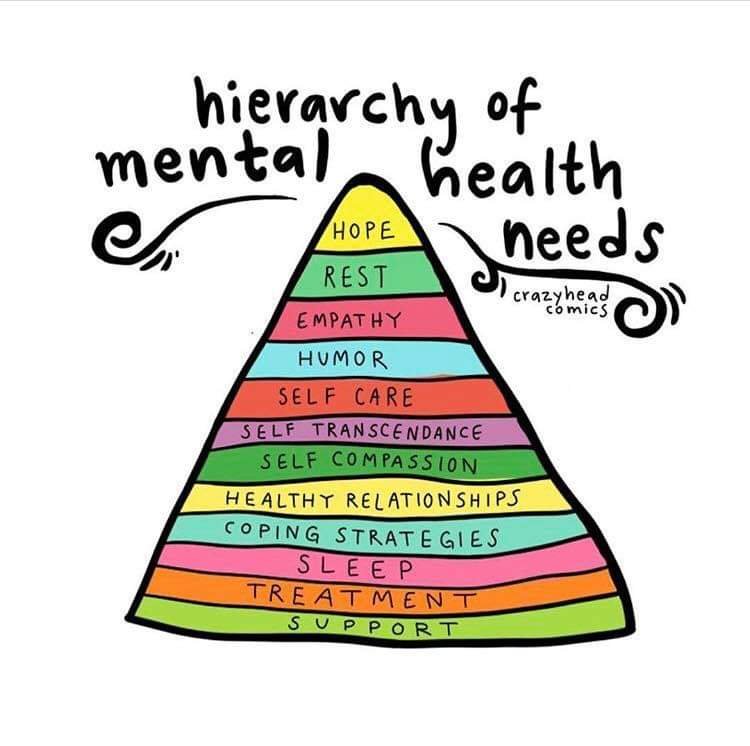
Hierarchy of Mental Health Needs
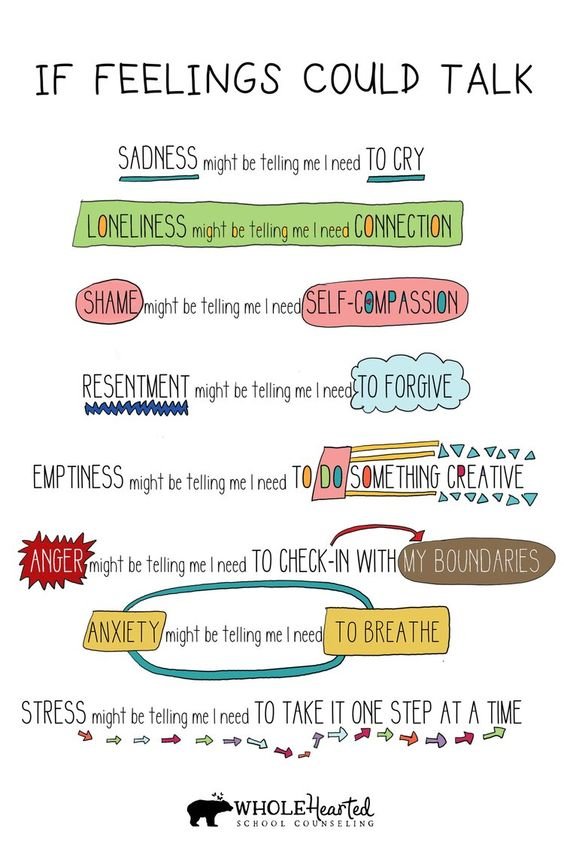
If Feelings Could Talk
Resilience

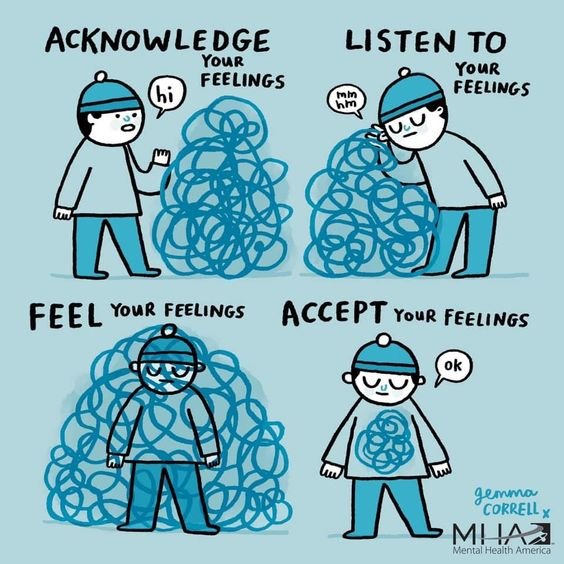
Accepting Your Feelings
Attachment Styles & Their Role in Relationships
Attachment Styles & Their Role in Relationships
Published on July 2, 2020 Updated on July 15, 2022
John Bowlby‘s work on attachment theory dates back to the 1950’s. Based on his theory, four adult attachment styles were identified: 1. anxious-preoccupied, 2. avoidant-dismissive , 3. disorganized / fearful-avoidant, and 4. secure.
Attachment styles develop early in life and often remain stable over time.
People with insecure attachment styles might have to put some intentional effort into resolving their attachment issues, in order to become securely attached.
What are attachment styles and how do they affect our relationships?
It’s human nature to seek contact and relationships, to seek love, support, and comfort in others. In fact, according to social psychologist Roy Baumeister, the ‘need to belong’ is one of the main forces that drives individuals.
From an evolutionary perspective, cultivating strong relationships and maintaining them has both survival and reproductive advantages. After all, most of us do ‘need to belong’ and do want closeness and intimacy in our lives.
Yet, love and relationships are rarely as perfect and problem-free as we would like them to be.
Have you noticed repeating patterns in your love life?
Maybe you have never really thought through or analyzed your behavior in relationships. Still, you might have noticed repeating patterns in your love life.
Have you wondered why you keep ending up in the same situation, even with different partners?
Do you get too clingy or jealous? Or do you always seem to be more involved than your partner? Maybe you want to be with someone, but as soon as things get emotionally intimate, you back off?
If you have noticed a pattern of unhealthy and emotionally challenging behaviors in your love life, you might benefit from digging deep and exploring the way you attach to people in intimate relationships. Here is where knowing about attachment theory comes in handy.
What is attachment theory?
Attachment theory has a long history and has been used as a basis for continuous research. The first step is to get acquainted with the basics and understand the different attachment styles.
According to psychiatrist and psychoanalyst John Bowlby, one’s relationship with their parents during childhood has an overarching influence on their social, intimate relationships and even relationships at work in the future.
In other words, your early relationship with your caregivers sets the stage for how you will build relationships as an adult.
There are four adult attachment styles:
Anxious (also referred to as Preoccupied)
Avoidant (also referred to as Dismissive)
Disorganized (also referred to as Fearful-Avoidant)
Before getting into what characterizes the four groups, it might be useful to point out how attachment styles develop in children.
How do attachment styles develop in early childhood?
The behavior of the primary caregivers (usually one’s parents) contributes to and forms the way a child perceives close relationships.
The child is dependent on his or her caregivers and seeks comfort, soothing, and support from them. If the child’s physical and emotional needs are satisfied, he or she becomes securely attached.
This, however, requires that the caregivers offer a warm and caring environment and are attuned to the child’s needs, even when these needs are not clearly expressed.
Misattunement on the side of the parent, on the other hand, is likely to lead to insecure attachment in their children.
Each one of the four attachment styles has its typical traits and characteristics.
Yet, a person does not necessarily fit 100% into a single category: you may not match ‘the profile’ exactly.
The point of self-analysis is to identify unhealthy behaviors and understand what you might need to work on in order to improve your love life. So, let’s get to it!
How does each of the four attachment styles manifest in adults?
1. Anxious / Preoccupied
For adults with an anxious attachment style, the partner is often the ‘better half.’
The thought of living without the partner (or being alone in general) causes high levels of anxiety. People with this type of attachment typically have a negative self-image, while having a positive view of others.
The anxious adult often seeks approval, support, and responsiveness from their partner.
People with this attachment style value their relationships highly, but are often anxious and worried that their loved one is not as invested in the relationship as they are.
A strong fear of abandonment is present, and safety is a priority. The attention, care, and responsiveness of the partner appears to be the ‘remedy’ for anxiety.
On the other hand, the absence of support and intimacy can lead the anxious / preoccupied type to become more clinging and demanding, preoccupied with the relationship, and desperate for love.
2. Avoidant / Dismissive
The dismissing / avoidant type would often perceive themselves as ‘lone wolves’: strong, independent, and self-sufficient; not necessarily in terms of physical contact, but rather on an emotional level.
These people have high self-esteem and a positive view of themselves.
The dismissing / avoidant type tend to believe that they don’t have to be in a relationship to feel complete.
They do not want to depend on others, have others depend on them, or seek support and approval in social bonds.
Adults with this attachment style generally avoid emotional closeness. They also tend to hide or suppress their feelings when faced with a potentially emotion-dense situation.
3. Disorganized / Fearful-Avoidant
The disorganized type tends to show unstable and ambiguous behaviors in their social bonds.
For adults with this style of attachment, the partner and the relationship themselves are often the source of both desire and fear.
Fearful-avoidant people do want intimacy and closeness, but at the same time, experience troubles trusting and depending on others.
They do not regulate their emotions well and avoid strong emotional attachment, due to their fear of getting hurt.
4. Secure Attachment
The three attachment styles covered so far are insecure attachment styles.
They are characterized by difficulties with cultivating and maintaining healthy relationships.
In contrast, the secure attachment style implies that a person is comfortable expressing emotions openly.
Adults with a secure attachment style can depend on their partners and in turn, let their partners rely on them.
Relationships are based on honesty, tolerance, and emotional closeness.
The secure attachment type thrive in their relationships, but also don’t fear being on their own. They do not depend on the responsiveness or approval of their partners, and tend to have a positive view of themselves and others.
Where do you stand?
Now that you are acquainted with the four adult attachment styles, you probably have an idea of which one you lean towards.
It is completely normal to recognize features of different styles in your history of intimate relationships. Attachment styles can change with major life events, or even with different partners.
An insecurely attached individual could form a secure bond when they have a securely attached partner.
A person with a secure attachment style could, in contrast, develop an unhealthy relationship behavior after experiencing trauma or losing a loved one. So, there is no need to fit any specific profile.
Chances are that many of us don’t fully belong to the securely attached group.
Even if we think we have stable relationships, there might be patterns in our behavior that keep bothering us or keep making us stressed/unhappy. Unfortunately, some individuals will recognize themselves in one of the three insecure ‘profiles’ – the less healthy ones.
In that case, it is preferable and highly recommended that they address the issue actively and if necessary, seek individual psychological help.
But here’s the thing: this struggle is simply not necessary, as there are many ways to heal and recover from attachment disturbances.
Strongly expressed insecure and unstable attachment styles can cause anxiety, depression, and other mental health issues.
But here’s the thing: this struggle is simply not necessary, as there are many ways to heal and recover from attachment disturbances.
Self Care Checklist

Autumn Self Care Ideas

Gentle Ways To Fill Up Your Cup

5-4-3-2-1 Calm

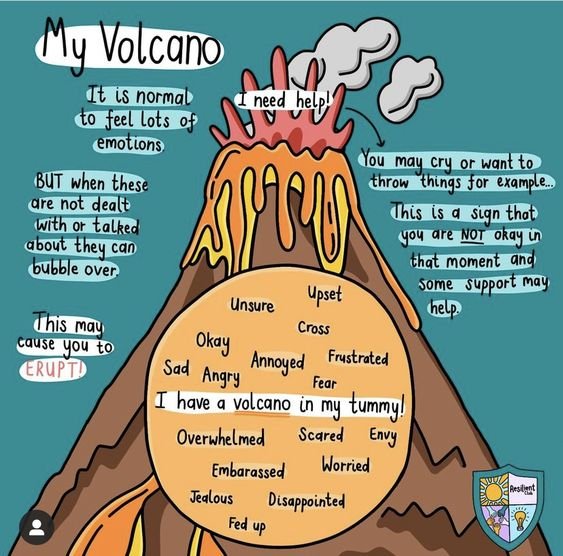
My Volcano
Three Lessons on Loss and Grief
Three Lessons on Loss and Grief
There is no incorrect way to respond to loss.
Andrea Brandt Ph.D. M.F.T.
Posted August 3, 2020 | Reviewed by Gary Drevitch
For days, weeks, or even months after losing someone, you may wake up in the morning with an overwhelming sadness. It can feel like a heaviness pushing down on your chest, and it starts before your conscious mind has even kicked in to remind you of what you have lost. It wasn’t just a bad dream.
Deaths of family, friends, and partners can be so devastating that your whole orientation in life feels lost, and the way your brain and body initially react to the trauma may confuse you. But there is no incorrect way to respond to loss. Don’t judge yourself.
To help you grieve and heal after a loss, here are three things you should know.
1. Grief is a healthy and necessary process.
The first thing you need to understand about grief is that you can’t take it away, and you shouldn’t try. Love lost is painful. It just is. Grief is an essential part of realistic positivity—the mindset in which we accept what is and strive for what is possible—as acceptance and acknowledgment of “what is.” Trying to avoid grieving will not work and will only increase and prolong your suffering. Unless you process grief when the loss occurs, your emotions will become stuck in your system—both mind and body. Grief will stay with you as energy in your unconscious, affecting your life until discovering it and processing it out.
Allowing your feelings to wash over you and sitting with them for a while in this accepting and non-judgmental manner is a profound healing method. Though you might imagine the worst when considering what will happen if you allow yourself to feel your feelings—that they will last forever and might even cause you to go right off the deep end— this isn’t the case. Eventually, the feelings will subside, and you will move forward in the grieving process.
2. You build resiliency by honoring and replacing what you’ve lost.
Often when a loved one dies, you lose several things at once: the person, your relationship with them, your way of living if they were your helpmate, your plans with them, and so on. Replacing what you lost in a situation of this magnitude won’t happen right away and won’t be easy, but it’s necessary—because your own life is still worth being the best it can be, despite someone you love no longer being with you.
Replacing your loss doesn’t mean forgetting the person who has died; it means finding a new person or persons to fill the role of friend, lover, or mentor. It requires allowing yourself to grieve the death fully and to let go of expectations of filling the lost person’s shoes in the same way. Replacing loss requires an awareness of your needs and the willingness to reach out toward others to fulfill them. It requires self-compassion and patience as you find your new way forward.
Perhaps no event is more likely to trigger isolation than the trauma of losing a loved one, but you need to reach out to recover. Of course, if you’re reading this amid the COVID-19 pandemic, you know how logistically difficult this can be. Getting out of yourself and focusing on someone else’s needs instead of your own is a time-tested way to heal—volunteer to tutor students online or adopt a dog or cat that needs care and a loving home. And use Zoom or socially-distanced visits to stay connected with the friends and family who are grieving also. You can help each other heal.
article continues after advertisement
3. Through loss, you learn to value life.
Death teaches us that every moment counts, that we must live and love fully, knowing that we may not get another chance. This knowledge can help you make better choices and affect how you experience life. The loss of a loved one creates an opportunity to deepen existing connections or create new ones. It can push you to meet new people and explore new ways to achieve the affirmation and love that you need.
Many people say that they became more thoughtful, loving, and compassionate after losing someone they love. It’s often the fire of this type of experience that burns away what is false and not serving you, and in rising from the ashes, you can become your most authentic, best self.
Through your memories and your love and your life, the person you lost is never truly gone. They are still with you because of who you became by being with them; they truly are part of you and live on through you. You honor their memory by living your best possible life.
Accept the awkwardness: How to make friends (and keep them)
Accept the awkwardness: How to make friends (and keep them)
August 19, 201912:25 AM ET
Lindsey Balbierz for NPR
Craving connection and friendship with other people is a fundamental part of being human. But what does being a friend mean in a world where hackers are trying to be your "friend" on Facebook?
This story comes from Life Kit, NPR's podcast for making life better — everything from finances to exercise to raising kids. For more, sign up for the newsletter and follow @NPRLifeKit on Twitter.
The act of making and being a friend is as simple as it is difficult. We spoke with experts to help find ways to make new friends, as well as to take better care of the friendships you already have.
Here are a few of their insights:
Accept the awkwardness and assume that other people need new friends, too
It's weird and uncomfortable to make new friends. When you reach out to somebody you don't know well — whether that's sending the first text message or making small talk in the elevator — you often feel exposed. You have to accept that awkwardness and the vulnerability it stems from, because guess what? You can't have friends without getting vulnerable.
Remember that people will like you more than you think they will
When you are moving through the world, don't forget that human connection is yours for the taking. It's science: Gillian Sandstrom, a senior lecturer in psychology at the University of Essex in the United Kingdom, has done research on something called the "liking gap," which says that the little voice in your head telling you that somebody didn't like you very much is wrong, so don't listen to it.
"When you talk to someone else, you're actually going to brighten their day," Sandstrom says.
If you're up for it, Gillian and her colleagues have developed a scavenger hunt challenge to help you talk to strangers.
Invest in activities that you love
Ask anyone about how to make friends and they will most likely tell you to try a new hobby. It might sound hollow, says Heather Havrilesky, the advice goddess behind the "Ask Polly" column on the website The Cut, but it works.
"Do the things you're passionate about and you will naturally draw people to you, and you'll naturally connect with other people because you'll be in the right place," Havrilesky says.
Don't forget to start with something you are actually interested in, and if it doesn't work out, remind yourself that you contain multitudes! You don't have to be interested in just one thing.
It's OK to treat friendship as seriously as you would dating
Having friends is one of the most nourishing parts of being alive, so it's not weird or bad or wrong to prioritize it. Get comfortable putting yourself out there a little bit. Carve the time and space you need to find and nourish your friendships. It's what all the cool kids are doing.*
Be present
The planet is warming, our news alerts are constant, and there's so much good television out there to watch. We get it. But if you want to prioritize and nourish your friendships, you have to show up for them. We have a few tips for being present and engaged with your friends:
Listen and notice things about your friend.
Take notes! It will help you remember your conversations and allow you points of connection later.
Remember the names of folks in your friends' lives. Another thing that can help: Ask to see a picture of the person they're talking about so it sticks better in your head.
Things That Are Difficult For Me When I'm Anxious

How to Self Soothe
Growth Mindset...

Hand of Mental Health
The Shame Spiral

Narrative Therapy Tree of Life
Habit vs. Addiction: What's The Difference?
Habit vs. Addiction: What’s the Difference?
Posted September 26, 2019
Alvernia University
From a mental health point of view, the difference between habit vs. addiction can be as perplexing as it is overwhelming. The line that separates the two can be unclear, and habit-forming and addictive behaviors can overlap in a lot of unexpected ways. Understanding the differences between the two can help us make better decisions and avoid losing control.
What Is a Habit?
A habit can be summed up as a routine or regular behavior that gets harder to give up the longer that behavior goes on. The best examples of habits can be seen in how people start the day. Morning rituals largely consist of a variety of habits, like brushing teeth, taking a shower, making coffee, etc. Over time, the sequence of these behaviors can become consistent for people.
An article in Forbes unpacked the ways people develop positive habits or “rational addictions.” These kinds of healthy habits can only arise, though, when people are more aware of their own behaviors. The article was based in the context of a study that found “as ‘rational addicts,’ people can weigh the costs and benefits of their current behavior taking into consideration its implications for the future, and still choose to engage.” When people know more about how their positive behaviors benefit their lives – and how their negative behaviors do the opposite – they’re much more likely to engage in healthy habits.
At the same time, though, it’s hard to shake habits as we engage with them over and over. Jasmine Bittar of Addiction Center offered tips on how to break bad habits and build new, healthy ones. Centrally, she suggested people exit their comfort zones. Comfort feeds into habits, which is why it’s important for people to try on unfamiliar behaviors to develop healthier, more constructive ones. She recommended four primary goals to develop new habits:
Take baby steps to develop new routines.
Avoid comfortable or enabling triggers that will tempt you to indulge your habit.
Attempt to exchange old behaviors with new, comparable habits.
Refrain from self-destructive, self-deprecating thoughts.
In order to understand how habits work, it’s necessary to look at how they affect decision making. Author and New York Times reporter Charles Duhigg, discussed the role of habits within the workplace in an interview with Harvard Business Review. He said, “About 40% to 45% of what we do every day sort of feels like a decision, but it’s actually habit.” This sentiment helps explain the sort of unconscious thought process we go through when making choices. Duhigg went on to say that as habits become more automatic and routine, they become harder to shake later. After people identifying an unhealthy habit, it’s important they “diagnose the cue and the reward.” Then, people can successfully work toward developing new habits.
What Is an Addiction?
Addictions, on the other hand, are much more powerful than habits. In these instances, for the most part, people will make sacrifices to their lives out of an obligation to pursue a substance or practice.
Defining addiction is difficult, but the American Psychiatric Association provides a simple explanation for what brings on certain addictive behaviors. The organization wrote, “People with addiction (severe substance use disorder) have an intense focus on using a certain substance(s), such as alcohol or drugs, to the point that it takes over their life.” As a result, people who are addicted to something experience different modes of thinking and altered brain functions. People who exhibit addictive qualities are sometimes aware of their mental health problem yet continue to engage in risky, problematic behaviors.
Addictions don’t have to be centered on consuming substances, though. Instead, as explored in the International Journal of Preventative Medicine, certain behaviors can be just as addicting. The researchers stated that “behaviorally addicted individuals have certain symptoms and will undergo the same consequences brought about by addiction to alcohol and drugs as well as other obsessive behaviors.”
The National Institute on Drug Abuse looks more thoroughly into the way the brain functions in people who are addicted to something. The organization stated that “surges of dopamine in the reward circuit cause the reinforcement of pleasurable but unhealthy behaviors like taking drugs, leading people to repeat the behavior again and again.” By indulging in the substance or behavior, over time the dopamine that triggers in the brain lessens and lessens. This ultimately reduces the “high” that people get from their addiction, which motivates them to seek out the substance or behavior more and more.
The Significance Between Habit vs. Addiction
Probably the most important distinction between habit vs. addiction is how choice, to an extent, is still possible with habit-forming behaviors. When it comes to addiction, people generally have a harder time making decisions because of their dependence on a substance or behavior. Typically, these factors are linked to the rewards systems in the brain, which helps explain their overarching power in stripping people from the ability to make rational decisions.
The debate between habit vs. addiction has become more intense for mental health experts. Adi Jaffe, Ph.D., of Psychology Today analyzed the ability for people to choose their habits or addictions. Mental health professionals fiercely debate this topic, but he found that both camps are right; habit formation is more choice-based while addictive behaviors can be more neurologically and biologically bound.
“In the end, it comes down to training,” Jaffe said. “If we want to end up with a different set of behaviors, we have to understand the mechanisms and processes that got us there and make a change.” Although this certainly isn’t a definitive end to the debate, it does add a layer of understanding to the difference between addiction vs. habit.
Developmental neuroscientist Marc Lewis, writing for the New York Times, explored how addictions and habits might not be as different as they seem at first. This controversial opinion is comes from the idea that as brain functions change, so do habits. He found that “addiction is brought about by the repeated pursuit of highly attractive goals and corresponding inattention to alternative goals.” This definition frames addictive behaviors as being similar to habit-based ones.
Alternatively, the research Barry J. Everitt, writing for the European Journal of Neuroscience, compared the starker difference between habit vs. addiction. He focused primarily on the treatment side of drug addiction, but he made a point to discuss how habits can lead to acute addictions. He wrote, addiction to drugs is “the endpoint of a series of transitions from initial voluntary, or recreational, drug taking through progressive loss of control over drug use.” In this context, a habit can be seen as the precursor to addiction.
Not all habits will lead to addictive behaviors in the end, but it’s still important to recognize the dependent nature of some substances and practices. It’s not often that people begin with full-blown addictions; instead, addictions develop over the course of time. During the early stages of habit formation, people may still have the power to mold their behaviors and practices.