





The 5 step self-holding exercise

Breathing mantras for anxiety

Positive affirmations to start your day

Toxic positivity or hope & validation?

Nine types of rest

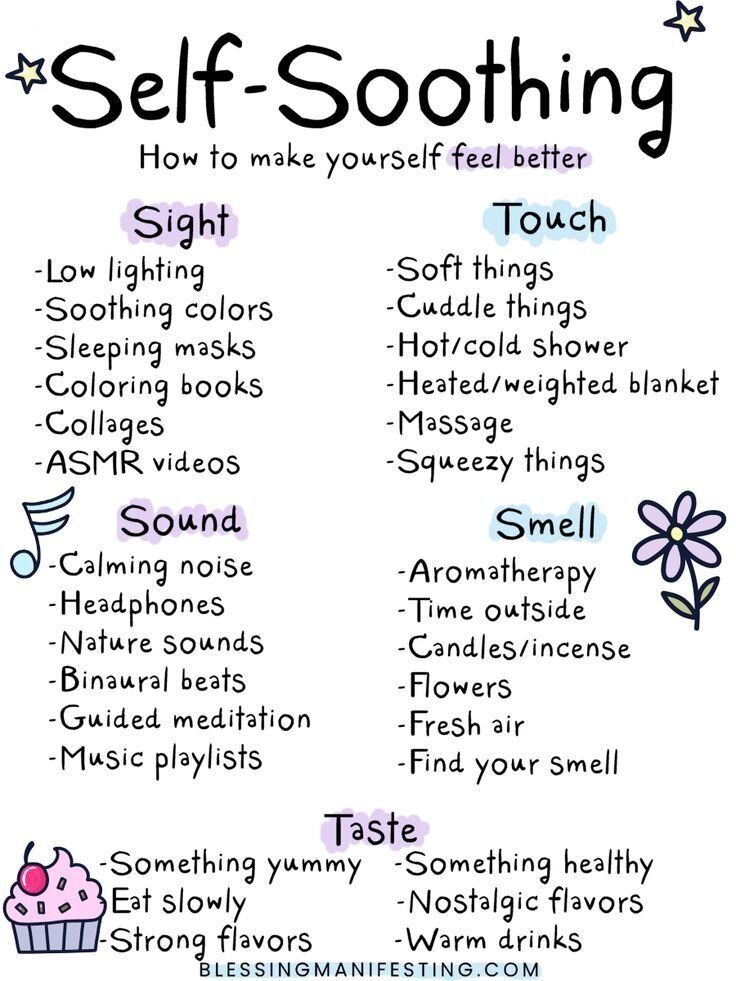
Self-soothing tips
Distraction Grounding

Self-care for bad mental health days

Tips for successful conflict resolution

Imposter Syndrome

17 ways to validate yourself

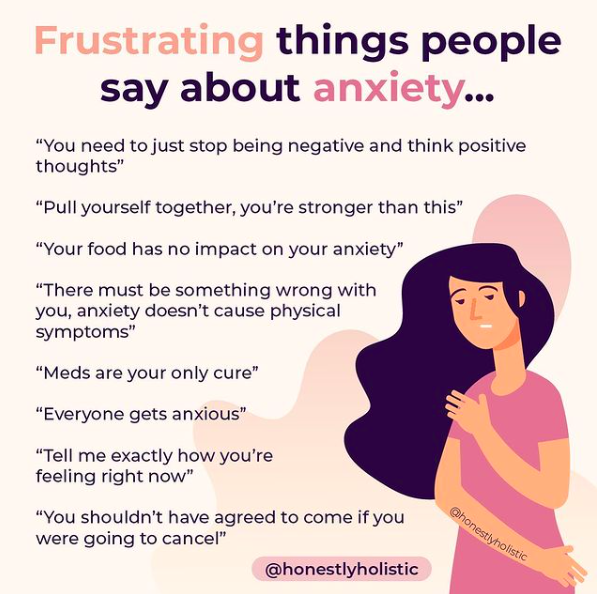
Frustrating things people say about anxiety
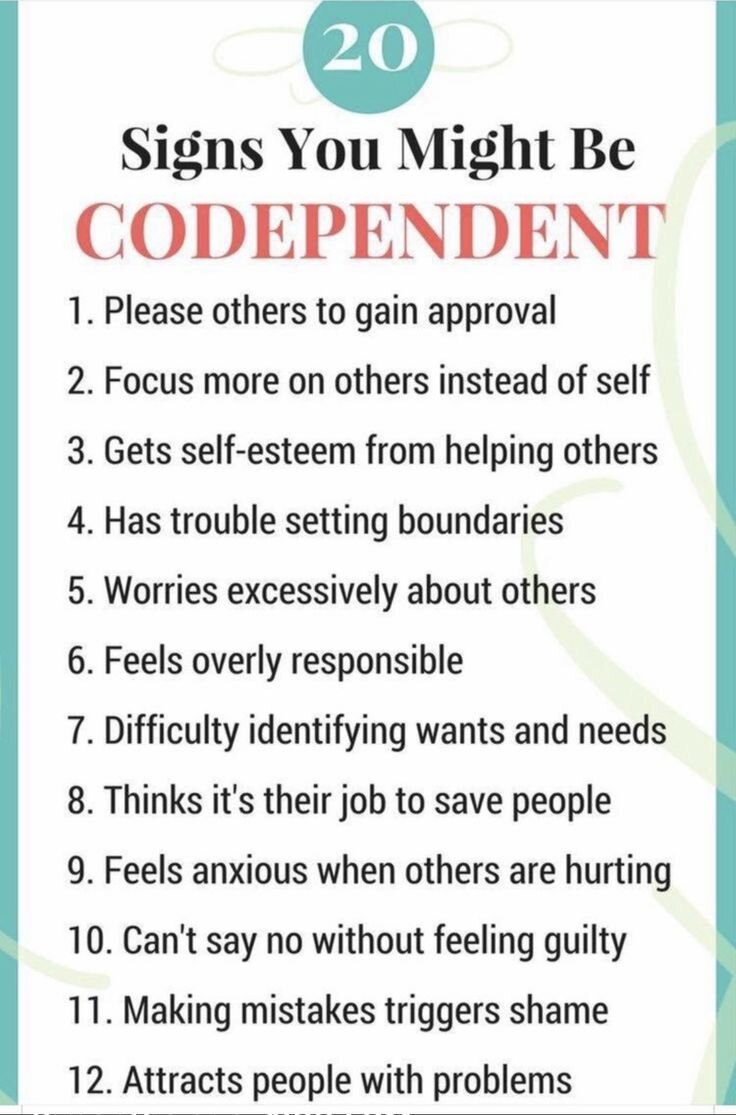
Signs you may be codependent
Depression: Instead of, try...

That feeling you can't name? It's called emotional exhaustion.
2020 did not relent; the early days of 2021 have been a national nightmare; and if there's a phrase to describe what many of us are feeling it's this: emotionally exhausted.
The frustrating, heartbreaking, unpredictable events of the past months demanded so much. Many of us had to learn new ways of working, of caring for and teaching our children, of staying healthy and remaining connected. The burden of our responsibilities seemed to grow heavier by the day, and if we did find a precious moment to lay down the load, we'd turn on the TV to see racial unrest, hundreds of thousands dead from COVID or a raging mob at the U.S. Capitol.
Many of us are asking, "how much more can we take?"
"Emotional exhaustion is this sense of overwhelmingness. Overwhelmed to the point where you feel like you don't have the capacity to deal anymore," said Vaile Wright, senior director of health care innovation at the American Psychological Association. "It's physical tiredness. It's mental tiredness. It's difficulty concentrating. It's all the things that we experience when we're just at our capacity."
'A culmination of crises': America is in turmoil, and a mental health crisis looms next
Racial trauma: 'When is the last time you saw a white person killed online?'
And yet, most of us don't have the luxury of stepping away from our responsibilities, especially now. Work calls or the children call or a distraught friend calls. In this era of uncertainty, we can't eliminate some of our biggest stressors nor can we predict which one is coming next.
USA TODAY spoke with three mental health experts who share their tips for navigating these unyielding days.
What is emotional exhaustion?
Emotional exhaustion is not a specific clinical syndrome, but mental health experts say it can lead to, or be accompanied by, other mental health conditions like a major depressive disorder. The phrase is usually used when talking about burnout, when feelings about stressors and responsibilities mount to the point that someone feels they don't have any energy left to expend.
It often occurs when the resources we use to perform daily tasks, work, and care for ourselves and others are depleted. Some stress and anxiety is always present, but when we're emotionally exhausted, that stress is prolonged and becomes chronic. The systems we draw from to function deplete, and we effectively burn out.
Anyone experiencing chronic stress is susceptible to burnout, but it's especially common in fields such as health care and law enforcement, where there's a significant amount of stress and caregiving responsibilities.
Disaster fatigue: COVID-19, hurricanes, wildfires, politics are wearing us out
"Think of the ER nurse who works on a COVID unit, 12-hour shifts, caring for children and an aging parent, and perhaps has added stressors related to health of friends or community political unrest," said Afton Kapuscinski, director of the Psychological Services Center at Syracuse University.
How to tell whether you're emotionally exhausted
Mental experts say there are a number of signs and symptoms associated with emotional exhaustion, including:
Irritability
Nervousness
Frustration
Difficulty with concentration
Loss of motivation
Lack of focus
General 'brain fog'
Feeling disconnected from other people
A sense you're not effective or competent (even if you've been overperforming at home or at work)
Actual problems with performance, including making more mistakes than usual
There are also physical symptoms, which can include:
Muscle fatigue and tension
Headaches
Stomach problems
Sleep problems
Emotional exhaustion can also sometimes lead to apathy and hopelessness, causing us to lose interest in things we once loved.
"It's probably some kind of unconscious attempt within these people's psyche to actually protect themselves from this onslaught," Kapuscinski said. "They think, 'if I remove myself, I can't be as affected,' just like dissociation in trauma would be."
Set boundaries
For a person to function well, they need a solid foundation: sleep, good nutrition, physical activity and social connection. They also need boundaries. If you're feeling depleted, it's time to assert (or reassert) them.
"You have to ask yourself where your boundaries are being breached, and where you can say no to some things," Wright said. "Because you really can't do all the things. So you have to ask yourself where you aren't being true to yourself."
Lynn Bufka, associate executive director for practice research and policy at the American Psychological Association, said it's part of identifying what things can be changed and what can't.
"If you've been supporting a friend or family member, maybe it's our turn to say, 'Hey, I don't have the bandwidth to be your emotional support right now. I care for you. I love you. But I really got to hang up the phone and take care of me for a moment,'" she said.
Don't try to be a superhero
If you're stretched too thin, experts say, ask yourself, “What am I taking on that is optional or that I can pull back from?” If your standard has always been a from-scratch meal, maybe consider frozen or canned vegetables instead.
You can also try asking a friend or family member to help you problem-solve how to alleviate your burden.
"When we feel exhausted and hopeless, it’s hard to think clearly and that’s when we can lean on others we trust," Kapuscinski said.
Psychotherapy is also an option, especially if you've been putting it off. Many providers, Kapuscinski said, are conducting therapy through telehealth and some insurance companies are waiving copays.
Think about what refills you emotionally
When you're emotionally depleted, reach for things that make you feel good.
"If you feel weary and withdrawn try to notice if there were little glimmers of time when you felt the opposite ... that can serve as a guide for what you need to incorporate into your life more," Kapuscinski said.
Ask yourself: What kind of music nourishes me? Which friend makes me laugh?
When you're overwhelmed, it's hard to dial back stress, which is why experts say the healthiest approach is to try and avoid depletion in the first place.
"The best way to deal with burnout is to prevent it," Kapuscinski said. "It’s a lot less emotionally costly."
How to Practice Mindfulness

Anxiety: The 5-4-3-2-1 Technique

The four keys that could unlock procrastination
Procrastination gets the best of all of us, to the detriment of our work, happiness and health. But a new theory could provide us with the easiest way to kick the habit.
Imagine that you could become healthier, wealthier and less stressed through a few daily steps. It would require no great sacrifice on your part, but over the years, your personal and professional life would improve immeasurably in numerous ways.
For many people, procrastination is the major barrier that prevents positive change. Chronic procrastinators are less likely to be in permanent employment, and those with jobs have a vastly reduced income, earning at least $14,000 less than their more proactive colleagues. Procrastinators also struggle to find time to exercise, since they will always put off physical activity for another day. And, thanks to the general chaos that arises from the constant dodging of important tasks, they tend to feel high levels of anxiety. The result is an elevated risk of chronic illnesses, including cardiovascular disease.
But it needn’t be this way, according to cutting-edge research by Jason Wessel. As part of his PhD at Griffith University in Queensland, Australia, Wessel developed a system comprising four simple “reflection points” that target the psychological roots of the problem. Ask yourself these questions on a regular basis, and you’ll find it far easier to resist tempting distractions, allowing you to focus on the things that really matter in your life.
Temporal Motivation Theory
Wessel’s technique is inspired by Temporal Motivation Theory, which proposes four interlinked causes of procrastination.
The first is 'expectancy': we underestimate our chances of doing well at the task, which reduces our overall motivation. The second is our 'sensitivity to delay': many of us fail to properly recognise how badly our current delaying tactics will affect the chances of completing on time. Thirdly, we fail to appreciate the 'value' of the task and the benefits of getting it done on time, which means that we favour our immediate pleasure over long-term consequences. Finally, Wessel argues that we lack the basic 'metacognition' – the self-awareness and capacity to think analytically about our own thinking – which would allow us to identify the ways we might resist these behaviours and put ourselves back on track.
Studies of chronic procrastinators have provided some good evidence for Temporal Motivation Theory but potential antidotes to these problems have so far been woefully under-researched. “There just aren’t many studies yet,” says Wendelien van Eerde at the University of Amsterdam, who conducted a meta-analysis of the available interventions in 2018.
Wessel developed a system comprising four simple “reflection points” that target the psychological roots of the procrastination
In her study, van Eerde found that Cognitive Behavioural Therapy was the only existing method with reliable benefits. During CBT sessions, a professional therapist will help the client to talk through the thoughts, emotions and actions that are limiting their productivity. “You try to recognise what you are doing wrong, and adapt your behaviours to more functional ways of dealing with things,” says van Eerde.
As effective as it may be, though, in-person CBT is relatively time consuming and expensive to deliver, making it hard to roll out en masse. This led Wessel to wonder whether it would be possible to offer a quicker and cheaper alternative.
After careful consideration, he decided to distil the principles of Temporal Motivation Theory to four simple prompts that ask people to consider:
How would someone successful complete the goal?
How would you feel if you don’t do the required task?
What is the next immediate step you need to do?
If you could do one thing to achieve the goal on time, what would it be?
The university environment provided the perfect environment to test the method. Wessel first recruited more than 100 undergraduates who were due to deliver a written assignment, worth a third of their final grade. To measure their progress, the students were all sent regular text messages, asking them to estimate their overall progress in completing the assignment (from 0% to 100%). Those taking part in the intervention were also asked to reflect on the points listed above at various points over the course of the two weeks. Wessel hoped that contemplating these prompts could bring about the same changes in thinking usually achieved during in-person therapy, but in much shorter bursts. “It’s replicating some of the elements that you would get in a coaching or counselling or therapeutic session,” he says, “but it’s like a ‘micro-dose’.”
When he compared the progress updates of the participants over the course of the two weeks, Wessel found that those contemplating the four reflection points were significantly more likely to get on top of the work early, rather than putting off the assignment until the end of the fortnight. It had, in other words, significantly reduced their procrastinations.
The benefits were not immediate; Wessel says the students needed to consider the different reflection points a few times before they started taking action – a phenomenon he describes as a “sleeper effect”. “There are only so many times that you can tell the app that you know exactly what you need to do, but then not do it,” he says. You might expect the students to have been irritated by the reminders, but most reported that they had learnt a lot from the experience. “They said that we should do this for every course they have.”
A ‘promising approach’
Van Eerde is impressed by the results, and optimistic about the practicality of the intervention. “I think it’s one of the more promising approaches,” she says.
Wessel has already designed an app to help encourage people to improve their diet that follows similar principles, and he speculates that, no matter our goals, we might all benefit from regularly considering these reflection points. If you want to apply this yourself, you might consider putting a couple of daily reminders in your online calendar to ensure that you actually take the time to look at the prompts. “If you notice that you are always putting stuff off, they could be a good way of checking your behaviour.”
The important thing is to regularly question what goals you actually value, and to check whether you’re prioritising them enough
The important thing, he says, is to regularly question what goals you actually value, and to check whether you’re prioritising them enough. You should then work out ways to chunk your task into smaller parts, before taking action on the first possible step. This can create a kind of momentum, he says, which will make procrastination less likely as you go along.
Wessel’s work joins a growing body of research showing how short moments of self-reflection can pay great dividends. A little focused thinking, it seems, can go a long way to increasing your perseverance, organisation and efficiency, so that you have more time to spend on the things that really matter. Those few prompts may just be the secret to a happier and healthier new year.
